A locally-written guide — where to stay, what to eat, and what not to miss.
The Istanbul guide
An insider’s read on Istanbul
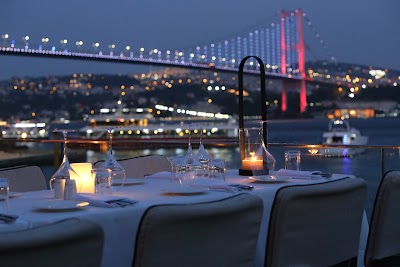
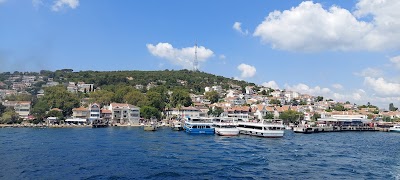
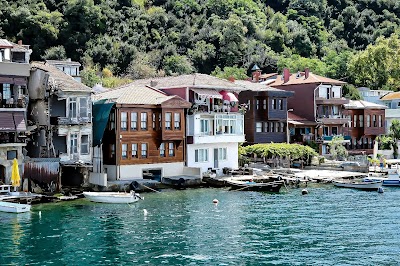
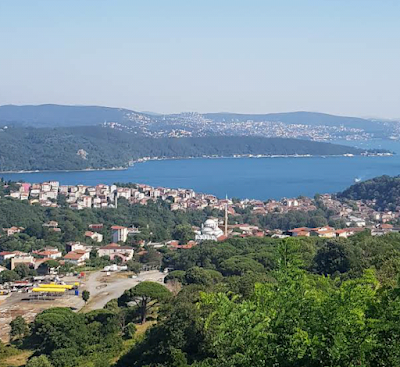
The city clings to steep hillsides rising from the Bosphorus, a deep-water strait where massive container ships glide past ancient stone fortresses.
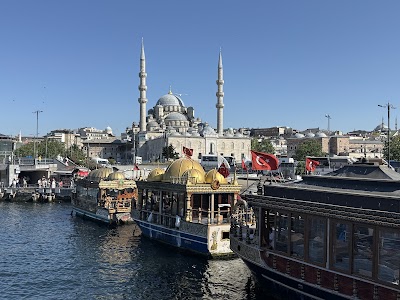
Istanbul is defined by its topography and water. The city clings to steep hillsides rising from the Bosphorus, a deep-water strait where massive container ships glide past ancient stone fortresses. The air smells of diesel exhaust, roasting chestnuts, and salty sea air, punctuated by the sharp cries of seagulls and the low rumble of ferry horns. It is a place of physical demands, where a simple walk involves negotiating steep cobblestone inclines and sudden, sweeping vistas of two continents.
Guides & ideas
The Istanbul reading list
Hand-written guides from our editors — itineraries, the best of after dark, where to eat, and what’s genuinely worth your time.
For First-time visitors who want to be within walking distance of major historic landmarks. The trade-off is a lack of authentic local nightlife and highly inflated restaurant prices.
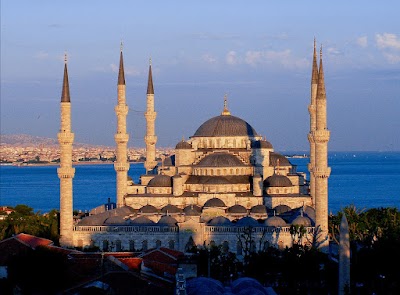
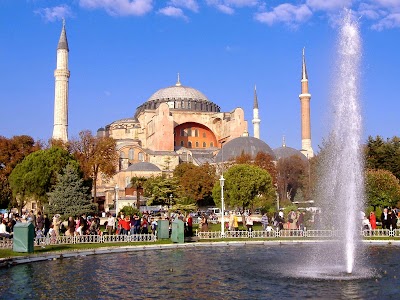
The monumental historic core, dominated by massive Byzantine and Ottoman architecture, manicured plazas, and souvenir shops.
Where to stayRestored Ottoman-era wooden mansions and mid-range boutique hotels.
For Younger travelers wanting lively nightlife and affordable dining. The trade-off is the chaotic, loud streets and lack of direct metro access to the old city.
A high-energy, student-driven district centered around a busy transit hub and a passionate football culture.
Where to stayMid-range commercial hotels and high-end waterfront properties.
For Couples and photographers. The trade-off is the intense weekend crowds and severe traffic bottlenecks.
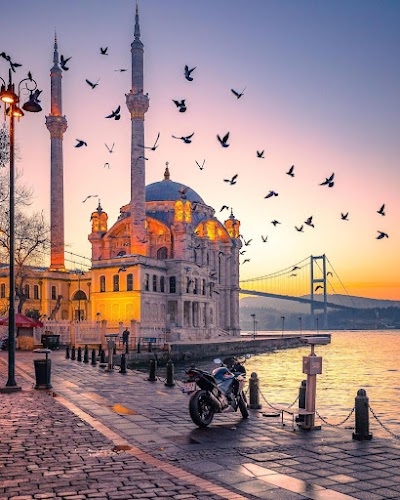
A lively waterfront square dominated by a grand baroque mosque, street food stalls, and Bosphorus views.
Where to stayWaterfront luxury hotels and small boutique properties.
Ortaköy Mosque
Bosphorus Bridge views
Ortaköy street food market
Eat & drink
Where to eat in Istanbul
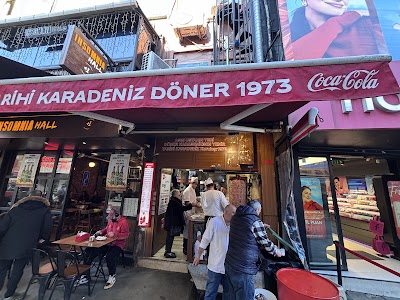
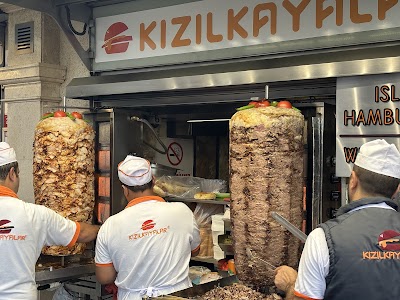
Real tables, by category — from seafood and grills to the budget classics locals actually queue for.
Seafood
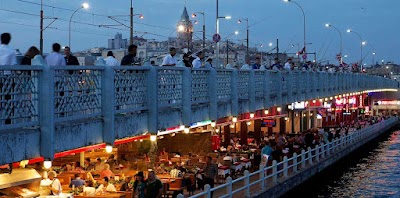
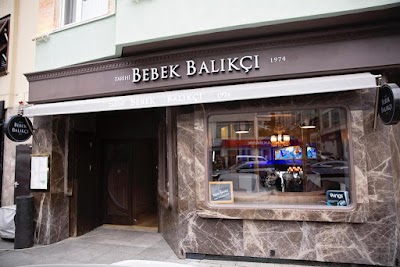
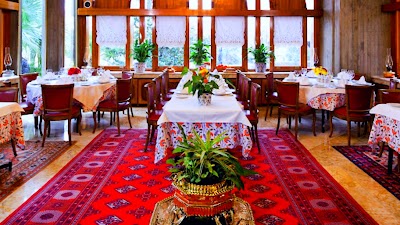
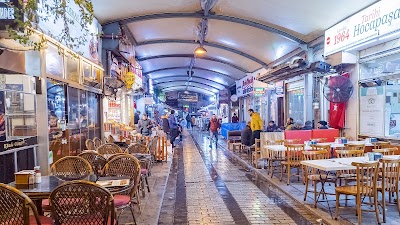
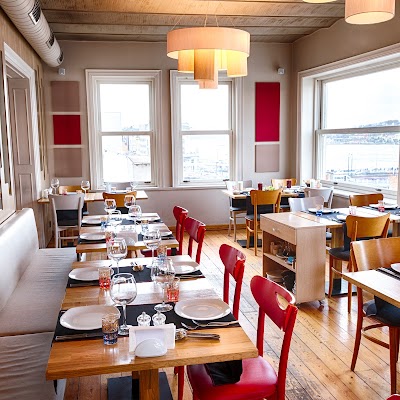
Seafood in this city is highly seasonal and deeply traditional, typically enjoyed at waterfront establishments where the catch is displayed on ice and ordered by weight.
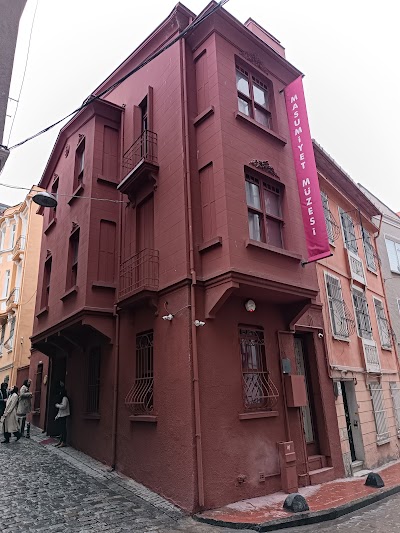
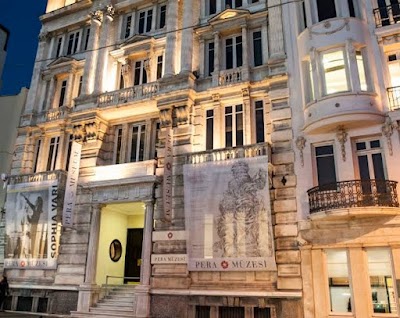
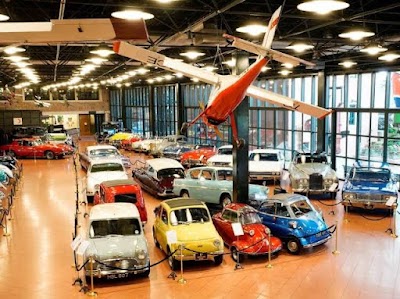
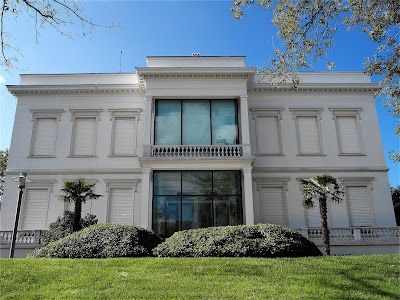
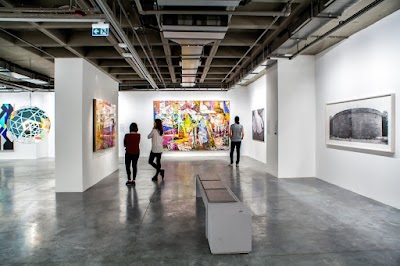
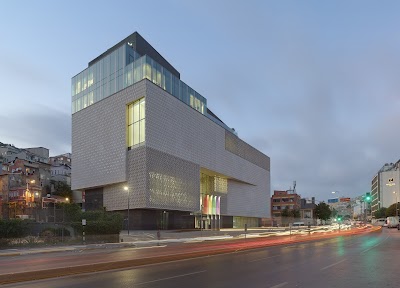
The contemporary art scene is highly active, with cutting-edge galleries housed in industrial ports, neoclassical banks, and modern architectural spaces.
These are affiliate links. We may earn a commission when you book — at no extra cost to you. Tours are sold and operated by our partner, who is the merchant of record.
What it costs
Budgeting
The city offers excellent value, though high local inflation means prices fluctuate. Cash is useful for street food and small tips, but credit cards are accepted almost everywhere.
Travel style
Per day
Backpacker
€40-60 (band)
Mid-range
€100-180 (band)
Luxury
€350+ (band)
Timing
When to visit
Spring and autumn offer the most comfortable conditions for exploring the city's hilly terrain, avoiding the intense humidity of summer and the damp, cold winds of winter.
SpringFrom April to May, the weather is mild and the city parks are filled with millions of blooming tulips. It is highly suitable for walking, though popular historic sites experience high visitor numbers.
SummerFrom June to August, the city is hot and humid. Locals migrate to the Bosphorus coast or the Princes' Islands to catch the sea breeze, and rooftop venues are highly active.
AutumnFrom September to November, temperatures cool down and the summer crowds thin. This is an excellent time for cultural festivals and exploring the historic quarters on foot.
WinterFrom December to March, the city is cold, rainy, and occasionally snowy. While outdoor exploring requires heavy layers, the indoor museums are quiet and the Bosphorus is atmospheric under heavy fog.
From Istanbul Airport (IST) on the European side, the M11 metro line connects directly to the northern transit hubs, while Havaist buses offer direct routes to central areas like Taksim and Aksaray. From Sabiha Gökçen Airport (SAW) on the Asian side, the M4 metro line connects to Kadıköy, and Havabus shuttles run directly to Taksim.
Public transit
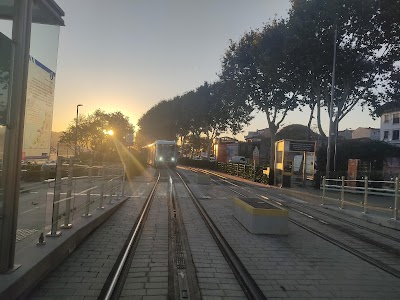
The transit network is highly integrated, consisting of metros, historic trams, funiculars, and public ferries. Ferries are the most practical and scenic way to travel between the European and Asian sides, bypassing heavy bridge traffic.
Passes & tickets
The Istanbulkart is a rechargeable contactless smart card used across all public transit, including ferries and public toilets. It is highly economical, costing under €5 to purchase and load with credit for multiple journeys.
On foot
While individual neighborhoods like Sultanahmet, Galata, and Kadıköy are highly walkable, the city as a whole is too vast and hilly to navigate solely on foot. Comfortable footwear with good grip is essential for the steep, polished cobblestones.
1
Avoid yellow taxis during rush hours as traffic gridlock is severe and fare disputes are common.
2
Use the public ferry instead of private tour boats for a cheap and authentic Bosphorus cruise.
3
Always tap your Istanbulkart individually; while one card can be shared, it prevents transfer discounts on subsequent taps.
Travel smart
Safety & etiquette
Generally safe, but be alert to common taxi scams (such as drivers not turning on meters or switching bank notes) and aggressive shoe-shiners. Avoid walking alone at night in parts of Tarlabaşı or Dolapdere.
Local etiquette
Remove your shoes before entering mosques; women must cover their heads and shoulders (scarves are usually provided).
Avoid public displays of affection in conservative neighborhoods like Fatih or Üsküdar.
Do not blow your nose loudly in public, especially in restaurants.
From the ground
Practical tips
1
Buy an Istanbulkart at the airport or transit hubs; it works for ferries, metros, trams, and even public toilets.
2
Download the BiTaksi or Uber app to hail yellow cabs; this ensures the route is tracked and reduces the chance of fare manipulation.
3
Visit Hagia Sophia and the Basilica Cistern early in the morning right at opening to avoid massive tour group queues.
4
Always carry a small amount of cash in Turkish Lira for street food vendors, public toilets, and small tips.
5
When shopping in the Grand Bazaar, negotiate politely; start by offering half the initial price and work your way to a middle ground.
6
Take the public ferry instead of expensive private Bosphorus dinner cruises; the views are identical and the experience is far more authentic.
7
Dress modestly when visiting historic neighborhoods like Fatih or Balat to show respect for the local conservative communities.
Book direct
Book a hotel in Istanbul
Loading live availability and real-time prices…
Good to know
Istanbul FAQs
Do I need a visa for Turkey?
Many nationalities can enter visa-free for up to 90 days, while others must apply for an e-Visa online before arrival.
Is the tap water safe to drink?
No, locals do not drink tap water; use bottled or filtered water even for brushing teeth if you have a sensitive stomach.
How do I cross from Europe to Asia?
The public ferry is the most scenic and cheapest way, though you can also take the Marmaray underwater train for speed.
What is the tipping culture?
In casual spots, round up the bill; in mid-range to fine dining restaurants, a 10% cash tip is standard and highly appreciated.
Are shops closed on Sundays?
Most shops, malls, and restaurants remain open on Sundays, though some historic markets like the Grand Bazaar are closed.