Istanbul guide
Nişantaşı, Istanbul: where Ottoman target stones meet designer windows
A walk through Istanbul’s most polished quarter, from the nişan taşı stones and Teşvikiye Mosque to Abdi İpekçi’s luxury storefronts, Topağacı’s cocktail bars and Maçka Park’s green slope.
 By Deniz Yalçın

Two nineteenth-century Ottoman archery stones still stand at the crossroads that gave Nişantaşı its name, and they make a better opening argument than any brochure ever could. The arrows are long gone. What lands here now is rent, retail and reputation: a 700-metre run of cobbles where Chanel faces Prada, and where the city’s polished set moves with the calm certainty of people who know exactly which table they want.
What Nişantaşı is known for
Nişantaşı is Istanbul at its most self-aware. It is the district that wears comparison like a tailored coat: the city’s answer to Milan, or maybe the Upper East Side if you prefer your elegance with a little more traffic noise and a little less self-importance. The streets are wide and walkable, the trees do some of the softening, and the crowd does the rest. Designers in sunglasses, gallerists, media people, the occasional Beymen bag swinging from a shoulder — it is all very composed, until the valet engines start revving and the illusion of effortless life shows its seams.
The spine is Abdi İpekçi Caddesi, that famously expensive stretch where the rents are said to be the highest in Turkey and the storefronts make the point without raising their voices. Chanel, Louis Vuitton, Prada and Hermès line up with the Turkish houses that helped make the district what it is: Vakko and Beymen. Nişantaşı is not pretending to be a bazaar, and thank goodness for that. This is a place for browsing, for being seen, for passing a window and deciding you would like your life to look a little more deliberate.

The district’s name reaches back to the Ottoman target stones — nişan taşı — that marked the distance of a sultan’s bowshot. Two survive near the crossroads, one dedicated to Selim III in 1790 and the other to Mahmud II in 1811. They are small, almost stubborn things, and that is part of their charm. In a neighbourhood now defined by polished surfaces, they still speak in stone and history rather than logo and gloss.
The centre of gravity is the neo-Baroque Teşvikiye Mosque, built by the same Balyan-family architects behind Dolmabahçe Palace. It anchors the neighbourhood in a way the boutiques never could. Nişantaşı is often described through commerce, but it is also a literary district, and that memory hangs in the air more than the perfume from the shopfronts. Orhan Pamuk grew up here and set much of his early work on these blocks, including The Black Book and Cevdet Bey and His Sons. Walk here long enough and you begin to understand the appeal: the streets are neat, the light is good, and the melancholy is just faint enough to be interesting.
Where to eat & drink
Nişantaşı eats smart rather than cheap, and it does so with a straight face. The classic move is Beymen Brasserie on Abdi İpekçi, open since 2003 in the Beymen store building. The room is all Zeynep Fadıllıoğlu interiors and a terrace built for the ancient sport of people-watching. The menu keeps to the kind of French-leaning comfort that suits the address: onion soup, king-crab salad, a proper steak. It is the sort of place where lunch can easily become an afternoon, not because anyone is rushing you, but because leaving would require effort.

Around the corner on Mim Kemal Öke Caddesi, Delicatessen is the breakfast place regulars swear by, and the praise is not casual. It does a full serpme spread — cheeses, honeys, jams, olives and eggs — the kind of table that makes you understand why Turkish breakfast has its own mythology. It is generous without being chaotic, which is more than can be said for most brunches in this city.
For the kind of breakfast that requires a decision to queue, Çeşme Bazlama Kahvaltı on Ahmet Fetgari Sokak lays out an İzmir-style feast with bazlama flatbread, menemen and gözleme. There is no menu and no reservation system, so you come early and you come hungry. That simple lack of ceremony is almost refreshing in a district where everything else is so carefully arranged.
A few doors along, Grandma takes a softer, bakery-café route: sourdough, croissants, cookies and menemen, with the French-Turkish crossover handled without fuss. The House Café, beside Teşvikiye Mosque, remains one of those dependable all-day places where brunch, coffee and a pause from the street all make equal sense. And when evening asks for something a little more dressed, Grey on Şakayık Sokak offers Italian-fusion dinner — seafood risotto, pasta and a decent wine list — in the kind of room that suggests the night is meant to be taken seriously, but not too seriously.
Going out
Topağacı is where Nişantaşı loosens its tie. Just north of the main shopping run, it has become one of the city’s most convincing grown-up bar corners, compact enough to walk, polished enough to feel intentional. Karloff is the standout: an antique-shop-turned-speakeasy with old furniture, low light, plush seating and a central billiards table. Early on it behaves like an intimate cocktail lounge; later, it edges toward boutique-club territory. The theatrical whiskey sour and negroni do exactly what they are supposed to do — which is to say, they arrive with a little drama and no apology.

A short stumble away, Efendi is the street’s dancefloor, chic and lively at weekends, with a crowd that comes across the city to move to Turkish rhythms. Seating is scarce, so arriving early is less a suggestion than a survival tactic. The room fills quickly, and that is the point. It is not a place for lingering over the menu and pretending you are above the music.
Grotesk, from the team behind nearby Hunhar, rounds out the crawl with signature cocktails and a gastropub menu in a modern bistro room. It is the sort of venue that knows the value of a well-made drink and a room that can hold a conversation without flattening it. Together, Karloff, Efendi and Grotesk make Topağacı feel like a neighbourhood within a neighbourhood — a neat circuit for people who want a smart night out without crossing the Bosphorus or descending into the more chaotic theatre of Beyoğlu.
Things to do / what to see
The district’s green lung is Maçka Democracy Park, the broad wedge that slopes down toward Beşiktaş and Dolmabahçe. It is where Nişantaşı exhales. The park is full of picnic blankets, dog-walkers, students with thermoses of tea and the small cable car crossing the valley, which adds a pleasing note of public utility to a neighbourhood otherwise preoccupied with retail and refinement. In a city that often seems to prefer stone to grass, this is where people remember that shade has value.

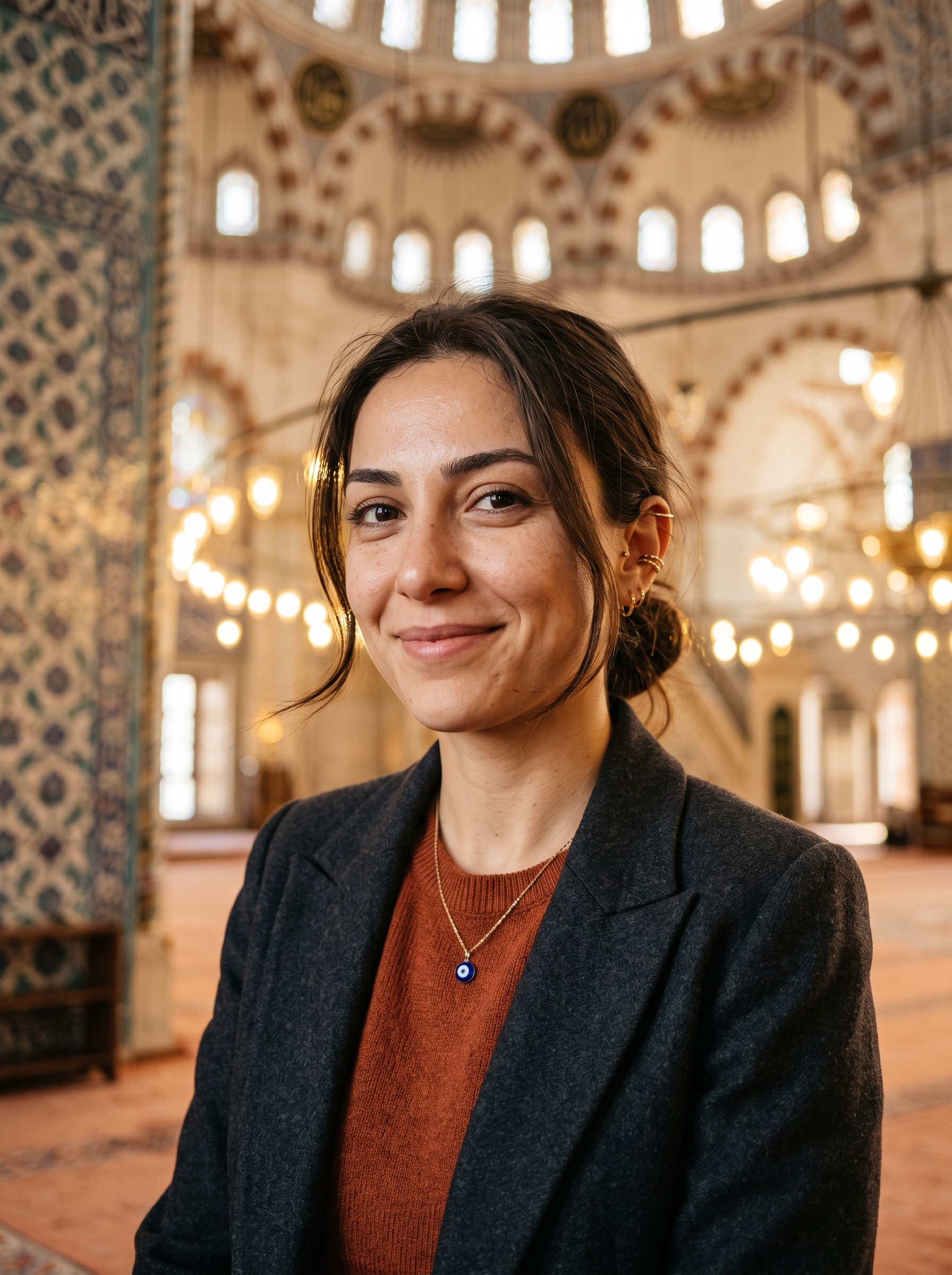
The other essential walk is back to the nişan taşı stones, then into Teşvikiye Mosque itself. The neo-Baroque interior and calligraphy are worth seeing up close, and the calm inside is almost startling compared with the peninsula’s headline mosques. That relative emptiness is part of the experience. You are not being managed through a queue of visitors; you are simply stepping into a neighbourhood mosque that still feels used rather than staged.
Culture-minded visitors can make for the Cemal Reşit Rey Concert Hall in neighbouring Harbiye, where classical and Turkish music anchor the evening programme. And in a townhouse on Halaskargazi Caddesi, the Atatürk Museum preserves the house the republic’s founder lived in, with his personal effects laid out inside. It is a reminder that the city’s modern history does not only live in grand monuments; sometimes it sits in a domestic room, waiting quietly for the next visitor.
{{ATTRACTIONS}}
Beyond those set pieces, Nişantaşı rewards the slower habits: café-hopping the boutique streets, browsing the galleries tucked into passages off Valikonağı, and walking a part of Istanbul designed, quite unusually, for walking. The district does not perform spectacle. It performs continuity — old money, literary memory, retail ambition, and the occasional patch of shade.
Shopping
For many visitors, this is the whole point. Abdi İpekçi Caddesi remains the flagship strip, the place where Chanel, Louis Vuitton, Prada and Hermès line up on the priciest retail cobbles in the country. It is an address that understands its own value. But the local names matter just as much. Vakko, the heritage house that began in Nişantaşı, still carries fashion, silk scarves and gourmet chocolate with the sort of confidence that comes from being part of the neighbourhood’s own origin story. Beymen, the country’s premier luxury department store, is the other pillar — less a shop than a statement about what this quarter has decided luxury should look like.

City’s Nişantaşı adds a more compact mall format to the mix, with global and Turkish brands, a food court and a gourmet market under one roof. It is useful in the practical sense and slightly less glamorous in the emotional one, which is often what makes a place like this work: the grand boulevard for the fantasy, the mall for the weather.
The pleasure, though, is not only in the marquee labels. Valikonağı and Teşvikiye hide the smaller satisfactions — concept stores, jewellers, homeware, small galleries in the arcades. These are the streets where you can still feel the district as a lived-in commercial fabric rather than a single luxury performance. Time your visit for the twice-yearly sales, roughly late summer and just after New Year, and even Abdi İpekçi discounts. The city may not become cheap, but it does become briefly more cooperative.
Where to stay in Nişantaşı
Nişantaşı is a boutique-and-luxury base, not a budget one, and that suits the neighbourhood’s temperament. It works well for shoppers, business travellers and repeat visitors who want calm and connectivity more than proximity to the monuments. The smartest address is The St. Regis Istanbul on Abdi İpekçi, with Art Deco styling, 24-hour butler service, the Iridium Spa and a Michelin Key in the 2025 guide. Maçka Park is across the road, which is a useful reminder that even in this district, greenery can still outvote gloss.
Park Hyatt Istanbul – Maçka Palas is the quieter, design-led alternative, set in a restored 1922 Giulio Mongeri apartment building and home to Cipriani Istanbul and the rooftop Roof Bar 805. It has the air of a building that knows its own history and does not need to narrate it at every turn. Around these anchors are smaller boutique hotels and serviced apartments on the leafy Teşvikiye and Topağacı streets, where you are close to a bistro, a gallery and the day’s second coffee without having to plan too hard.
Pick the blocks near Abdi İpekçi and Maçka Park for the smartest, greenest setting. The streets around Osmanbey trade a little polish for value and quick metro access, which is useful if you prefer your money to go to dinner rather than to the view from the lobby.
{{HOTELS}}
Getting around
Nişantaşı is genuinely walkable, and that matters. The pavements are wide, the blocks are short, and the terrain is mercifully flat by Istanbul standards. Osmanbey on the M2 line is the metro station to know, about a six-minute walk from Abdi İpekçi, with exits named directly for Nişantaşı and Halaskargazi. From there it is one stop — roughly three minutes — to Taksim, and the same line runs south to Şişhane for Galata and Karaköy, or on to Vezneciler for the historic peninsula. Northbound, it heads toward the Levent business district.
Buses and shared dolmuş routes fan out along Halaskargazi and Valikonağı toward Beşiktaş and the Bosphorus. Taxis are plentiful, though Istanbul congestion remains the city’s favourite practical joke. For the airports, allow roughly 45–60 minutes by taxi or HAVAİST to Istanbul Airport on the European side, and a similar run to Sabiha Gökçen on the Asian side outside peak traffic. If you can take the metro, do. In this part of town, speed and sanity often travel together.
Why Nişantaşı works
Nişantaşı is not the Istanbul of postcards, and it knows it. It is a district of polished shopfronts, café chatter, valet engines and the low churn of Valikonağı traffic; a place where the old money never quite left, and the new money arrived dressed for the occasion. It is also a neighbourhood with enough memory to resist becoming a pure stage set. The target stones are still there. Teşvikiye Mosque still anchors the centre. Orhan Pamuk still hovers over the literary imagination of the place. And Maçka Park still gives the quarter a place to breathe.
That combination — commerce, culture, calm and a little self-regard — is what makes Nişantaşı more than a shopping district. It is a walkable argument for style as urban form. And in Istanbul, where so much of life is vertical, crowded or ceremonial, that is no small thing.
FAQs
Is Nişantaşı a good area to stay in Istanbul?
Yes — if you care more about shopping, dining and a calm, residential feel than being right beside the monuments. It’s safe, walkable and one M2 stop from Taksim, with Galata and the old city a short ride beyond. First-timers focused on Hagia Sophia and the Grand Bazaar may prefer Sultanahmet or Beyoğlu; Nişantaşı suits repeat visitors and style-led trips.
Is Nişantaşı expensive?
Very. It’s Istanbul’s most upmarket district, and Abdi İpekçi has the highest retail rents in Turkey. Hotels, brasseries and cocktail bars are priced accordingly. You can still keep it reasonable with breakfast at Çeşme Bazlama, coffee, a walk in Maçka Park and a bit of window-shopping.
What is Nişantaşı best known for?
Luxury shopping first: Abdi İpekçi Caddesi is the designer boulevard, with Chanel, Louis Vuitton, Prada, Vakko and Beymen. It’s also known for its elegant café-and-brasserie scene, Orhan Pamuk’s childhood streets and the Ottoman archery target stones that gave the neighbourhood its name.
How do I get around Nişantaşı?
Mostly on foot. The neighbourhood is flat and walkable, and Osmanbey on the M2 is about a six-minute walk from Abdi İpekçi. From there it’s one stop to Taksim, with easy onward connections to Galata, Karaköy and the historic peninsula.