Istanbul guide
Sultanahmet, Istanbul: domes, crowds and the old city’s living heart
Istanbul’s most monument-dense square kilometre is all Byzantine mosaics, Ottoman courts, rooftop sunsets and the occasional very determined carpet seller.
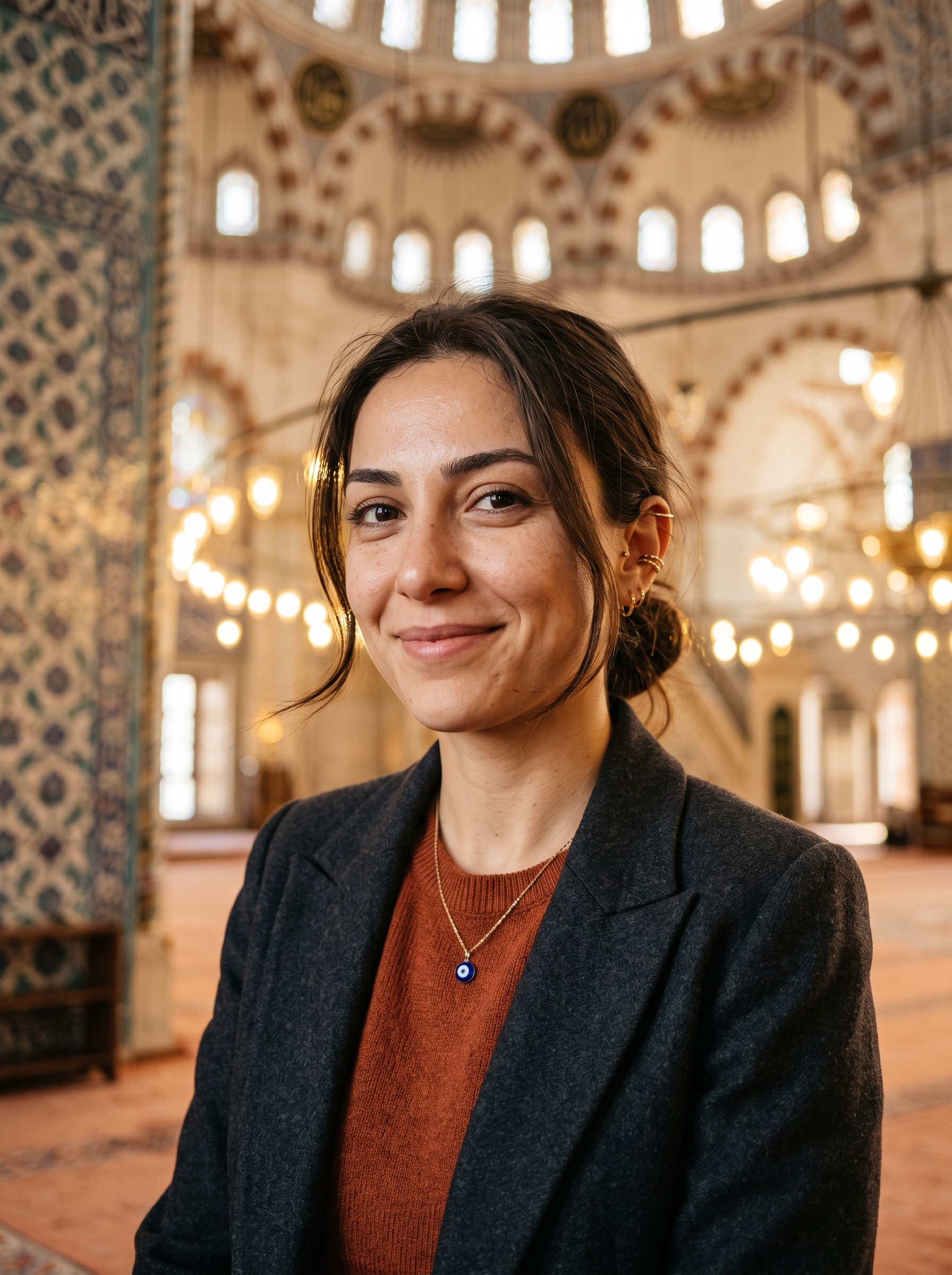 By Deniz Yalçın

Sultanahmet begins with a face-off: Hagia Sophia on one side of the park, the Blue Mosque on the other, and between them the old Hippodrome stretching out as a long, open square where the city’s history still seems to be pacing up and down. By midmorning the place is full of coach groups, cruise crowds, simit sellers and the T1 tram grinding along Divan Yolu; by dusk it can feel like the whole peninsula has exhaled. That is the trick of this neighbourhood. It is the most obvious place in Istanbul to start, and still, if you linger, it starts to reveal the working city underneath the monuments: köfte cooked the same way for a century, fish served in a wooden mansion, and rooftops where the domes are close enough to study rather than merely admire.
What Sultanahmet is known for
This is the tip of the old peninsula, the compact historic grid where Byzantium and the Ottoman Empire left their biggest buildings within a five-minute walk of each other. The headline is not subtle, and there is no point pretending otherwise. Hagia Sophia is the anchor, a sixth-century Byzantine church turned mosque, now a working mosque again, with the upper-gallery visiting area carrying a €25 ticket for foreign visitors. The point of going up there is not just the famous name; it is the surviving mosaics, including the Deesis, and the strange pleasure of looking down into a building that has survived so many civic costume changes. A structural restoration begun in late 2025 has brought scaffolding up toward the central dome, but the galleries and mosaics remain open and largely unobstructed.

Across the park stands the Blue Mosque, formally the Sultan Ahmed Mosque, reopened in 2023 after a six-year restoration of its İznik-tiled interior. Entry is free outside the five daily prayer times, which is a neat reminder that this is not a museum disguised as a mosque but the real thing, still working around devotion rather than visitor convenience. If Hagia Sophia is the great survivor, the Blue Mosque is the one that still knows how to make an entrance: six minarets, a disciplined cascade of domes, and a tiled interior that rewards patience more than gawping.
A short walk takes you to the other pillars of the district. Topkapı Palace, the Ottoman sultans’ seat for four centuries, holds the Harem, the Treasury and Hagia Irene, and closes on Tuesdays. Basilica Cistern is the subterranean mood swing: an underground Byzantine reservoir with 336 columns and the upside-down Medusa heads, reopened in 2022 after restoration and now running a separate night session. And at the western edge sits the Grand Bazaar, one of the world’s oldest covered markets, with over 4,000 shops under its roof and Sunday closure that gives the whole west side of the peninsula a rare day off. Sultanahmet is the densest concentration of must-see sights in Istanbul, which is another way of saying you will be sharing them with much of the rest of the visiting world.
Where to eat & drink
Sultanahmet’s dining reputation is unfair, but it is not entirely a lie. The streets around the monuments are thick with menu-waving, set-price places that seem designed for people who have not yet learned to distrust laminated photos. Still, the real institutions are here if you know where to look, and in this neighbourhood “know where to look” often means “walk three minutes and turn off the obvious street.”
The essential stop is Tarihi Sultanahmet Köftecisi Selim Usta on Divan Yolu No:12, a köfte house since 1920 and now in its fourth generation. Order the grilled beef köfte with piyaz, add a plate of pickled peppers and a bowl of lentil soup, and do not overthink it. It is cash-only and takes no reservations, which feels exactly right for a place that has spent a century refusing to become a concept.

For a more ceremonial meal, Matbah in the Ottoman Hotel Imperial beside Hagia Sophia cooks historical court recipes, including lamb shank and stuffed-fruit dishes. Deraliye, on the Hagia Sophia side, works from original palace recipes under chef Necati Yılmaz; the duck in filo and mutton simmered in an earthenware pot are the sort of dishes that remind you the Ottomans liked their dinner with a bit of theatre. If you want the full palace mood, Deraliye’s rooftop terrace carries the same menu with a Blue Mosque view.
The neighbourhood’s quieter, more convincing food lives behind the Blue Mosque on the Cankurtaran side, where the streets calm down and the whole district stops trying so hard. Balıkçı Sabahattin is the old city’s most respected fish restaurant, housed in a restored 1927 wooden mansion. It is pricey, yes, but it serves daily catch and meze in a setting that feels like someone’s elegant family house after a very successful century. A few streets over, Giritli offers a fixed-price Cretan feast: roughly fourteen Aegean meze, wild foraged greens, grilled octopus, and unlimited house wine, rakı or beer folded into the deal. That is less a dinner than a small, disciplined argument for the Aegean.
For lunch with no ceremony at all, Sefa Restaurant on Nuruosmaniye Caddesi near the Grand Bazaar border is the honest answer: an esnaf lokantası of home-style stews and stewed celeriac, quick and cheap. If you are moving through the bazaar and need something even more direct, Aynen Dürüm is the microscopic kebab shack on the Grand Bazaar’s edge that market traders actually use. And when the sweet tooth starts making demands, Hafız Mustafa 1864 — its flagship near the Spice Bazaar, a short walk from the monuments — does baklava, puddings and Turkish delight with the confidence of a business that knows exactly why people keep walking in.
Going out
Sultanahmet is not a nightlife district, and the neighbourhood does not even bother pretending. Once the day-trippers clear out around six, the peninsula goes quiet and low-lit, the monuments floodlit, and the loudest thing is often a cat crossing the park like it owns the title deeds. If you want bars that stay open past midnight, live music or anything resembling a club, you go to Beyoğlu, Karaköy or Kadıköy. If you stay here, you stay for the rooftops.
Seven Hills Restaurant, on the roof of the Seven Hills Hotel near the Hippodrome, is the classic Sultanahmet sunset table: seafood-heavy, with a near-360° view taking in Hagia Sophia, the Blue Mosque and the Marmara Sea. Book ahead, because everyone else has had the same thought. Deraliye Rooftop gives you the Ottoman menu with a Blue Mosque view, while Ararat Terrace is quieter and more social-media-discovered, framing both mosques from its open-air deck. The district’s polished drink option is the Four Seasons Sultanahmet Rooftop, a licensed hotel lounge where you can have a proper cocktail with Hagia Sophia on one side and the Marmara Sea on the other. That is the whole evening scene, really: domes, a drink, and the knowledge that the buses have gone home.

Things to do
The beauty of Sultanahmet is that the itinerary is already written into the streets. Start early at Hagia Sophia before the queues build, then cross the park to the Blue Mosque and time yourself around prayer windows rather than fighting them. Spend a half-day at Topkapı Palace, and if you are there, pay for the combined ticket that includes the Harem and Hagia Irene; there is enough to see that rushing would be a kind of insult. Then go underground at the Basilica Cistern, where the 336 columns, the upside-down Medusa heads and the cool damp air do what good subterranean spaces always do: make the city above seem briefly ridiculous. The cistern’s separate night session is worth timing for, and since August 2025 the door has been card-only, which is a useful reminder that even ancient waterworks now expect you to behave like a modern visitor.

Beyond the big four, the Hippodrome (Sultanahmet Meydanı) is free to wander and still holds the Egyptian Obelisk, the Serpent Column and the German Fountain down its spine. This is the old Byzantine chariot arena, now less arena than civic stage set, but it remains the district’s centre of gravity. The Turkish and Islamic Arts Museum, in the İbrahim Pasha Palace on the Hippodrome, holds one of the world’s great carpet collections and deserves more time than it usually gets from visitors who have already spent themselves on domes. If you want a proper pause from stone and tile, Cağaloğlu Hamamı gives you the marble-and-steam ritual in a double bathhouse finished in 1741, with scrub and foam massage in Ottoman-baroque halls that have seen everyone from Florence Nightingale to Kaiser Wilhelm II. And Gülhane Park, the old outer garden of Topkapı, is the green lung where locals actually relax, a shaded downhill walk toward the Golden Horn.
{{ATTRACTIONS}}
Shopping
Shopping in Sultanahmet means bazaars, and that is both the joy and the hazard of the place. The headliner is the Grand Bazaar at the western edge, a maze of 61 covered streets and more than 4,000 shops selling carpets and kilims, gold, lamps, ceramics and leather. It opens roughly 8:30am to 7pm and closes on Sundays. Haggling is expected; browse first, compare, and do not feel obliged to the first shopkeeper who pours you çay as if it were a legal contract. The bazaar is not subtle, but it is still one of the great indoor city experiences, a place where the air smells faintly of leather, dust and ambition.
Inside, Şark Kahvesi on Yağlıkçılar Street has poured sand-brewed Turkish coffee since 1958 and remains the correct place to rest your feet mid-crawl. Just outside the bazaar’s Beyazıt gate, the shaded courtyard of Sahaflar Çarşısı is the old booksellers’ market, good for antique maps, Ottoman prints and calligraphy. Closer to the mosques, the Arasta Bazaar runs along the flank of the Blue Mosque and is calmer, less pushy, and better for carpets, kilims, İznik-style tiles and textiles from established specialists rather than hustlers. A ten-minute walk downhill toward Eminönü brings you to the Spice Bazaar, the fragrant covered market for Turkish delight, saffron, dried fruit and teas, with Hafız Mustafa’s sweet shops nearby. As a rule, prices in the immediate monument zone carry a tourist premium, but for carpets, ceramics and lokum this old-city cluster is genuinely the source.

Where to stay in Sultanahmet
Sultanahmet is the obvious first-timer’s base because you wake up walking distance from every headline sight. Around the Hippodrome and Hagia Sophia, you get the highest concentration of boutique hotels with rooftop terraces, and you pay for the privilege of a Blue Mosque or Hagia Sophia view at breakfast. That is the trade-off: the view is real, but so is the premium. Cankurtaran, the quieter residential slope behind the Blue Mosque running down toward the Marmara shore and Sirkeci, is calmer and often better value, with small family-run guesthouses and design hotels a few minutes’ walk from the action.
The honest version is this: the neighbourhood can feel touristy and expensive for what you get, nightlife is basically nil, and some streets get carpet-shop hustle by day. But for a monument-first two or three nights, the walkability wins. Light sleepers should know the pre-dawn call to prayer carries across the whole peninsula — a feature for some, a 5am alarm for others — so ask about glazing if it matters. Stay here if the sights are your priority and you will head to Beyoğlu or Kadıköy for dinner and drinks; choose the Galata side if you want the buzz on your doorstep.
{{HOTELS}}
Getting around
Sultanahmet is small and best walked. Hagia Sophia, the Blue Mosque, the cistern, Topkapı and the Hippodrome are all within a ten-minute stroll of each other, and the Grand Bazaar is about fifteen minutes on foot along Divan Yolu, or one tram stop if your feet have started filing complaints. The workhorse is the T1 tram (Kabataş–Bağcılar), which runs the length of the peninsula: Sultanahmet drops you at the monuments, Gülhane at the park and Topkapı, Beyazıt-Kapalıçarşı at the Grand Bazaar, and Eminönü at the ferries and Spice Bazaar. Buy an İstanbulkart and tap on for everything.
To cross to Beyoğlu, Karaköy and Galata, take the tram to Eminönü and walk the Galata Bridge, or ride two stops to Kabataş. For the Asian side, walk to Eminönü or Sirkeci and hop a ferry to Kadıköy; the Bosphorus crossing is half the pleasure. The Marmaray suburban rail connects at Sirkeci if you want a fast tunnel run under the strait. For the airport, Istanbul Airport is reached by tram to a Metro connection or the Havaist bus, usually 60–90 minutes all in; Sabiha Gökçen is farther and easier by shuttle or taxi. Traffic on the peninsula is heavy and parking is miserable, so lean on the tram, ferries and your own two feet.
FAQs
Is Sultanahmet a good area to stay in Istanbul?
For a first visit focused on the monuments, yes — you wake up within a ten-minute walk of Hagia Sophia, the Blue Mosque, Topkapı Palace, the Basilica Cistern and the Grand Bazaar. The trade-offs are that it is touristy, can be pricey for the quality, and has essentially no nightlife. If sights are your priority and you are happy to tram or ferry over to Beyoğlu, Karaköy or Kadıköy for dinner and drinks, Sultanahmet is ideal.
Is Sultanahmet safe?
Yes. It is one of the safest and most policed parts of Istanbul, busy with visitors day and night and fine to walk after dark. The realistic hazards are hassle rather than danger: persistent carpet-shop touts, restaurants with inflated set menus, and the usual pickpocket awareness you would apply in any crowded bazaar.
How many days do you need in Sultanahmet?
Two full days lets you do the headline sights without rushing: one for Hagia Sophia, the Blue Mosque, the Hippodrome and the Basilica Cistern, and a second for Topkapı Palace plus the Grand Bazaar and a hammam. Topkapı closes on Tuesdays and the Grand Bazaar on Sundays, so plan around that.
What is the best way to get around Sultanahmet?
Walk whenever you can — the core sights are close together. For longer hops, use the T1 tram with an İstanbulkart: Sultanahmet for the monuments, Gülhane for the park and Topkapı, Beyazıt-Kapalıçarşı for the Grand Bazaar, and Eminönü for ferries and the Spice Bazaar.