Shanghai guide
Tianzifang, Shanghai: a lane-by-lane walk through old shikumen life
A cramped, photogenic maze of 1930s shikumen lanes where laundry, coffee, craft shops and resident life still rub against the tourist flow.
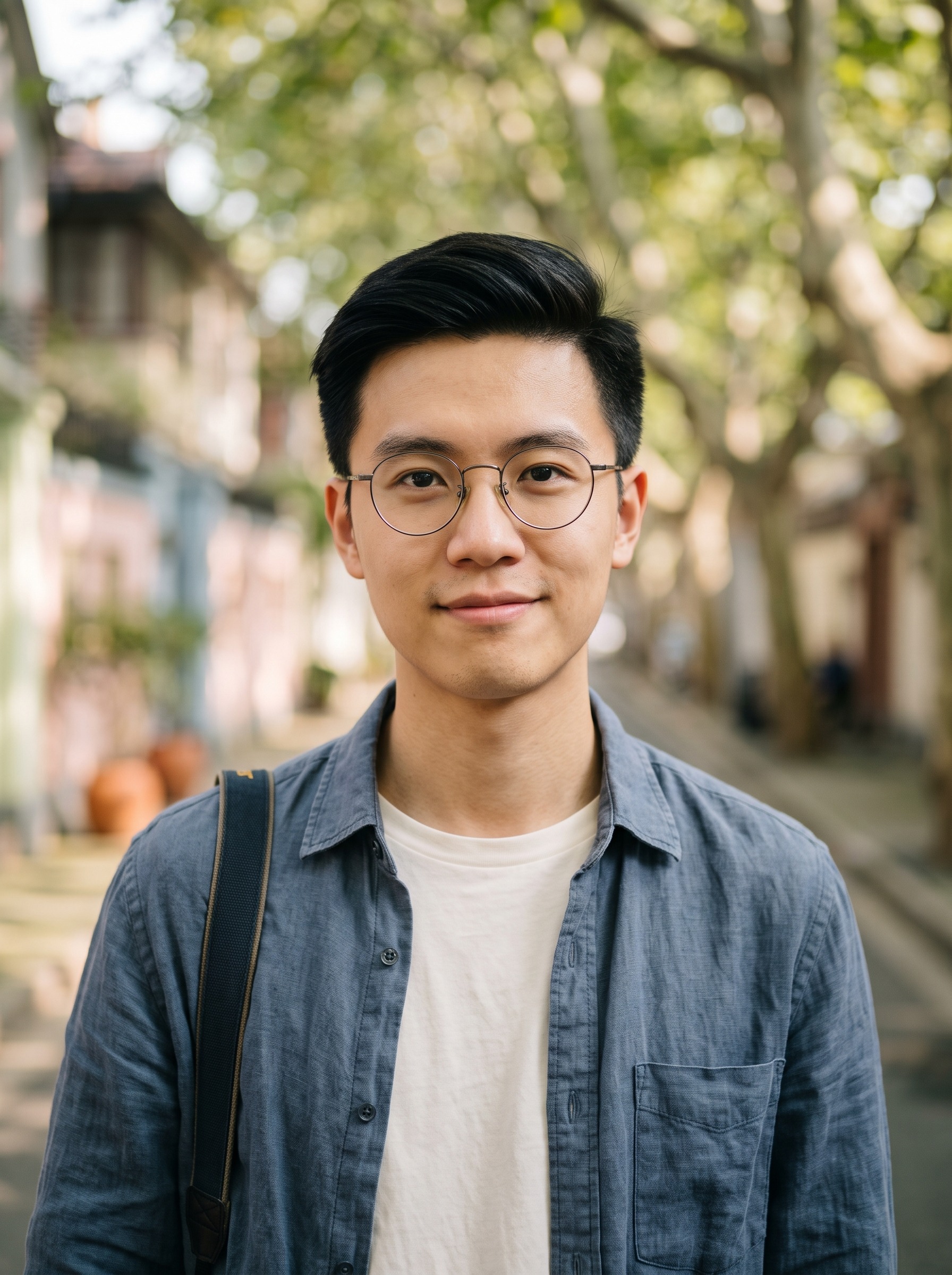 By Liang Wei

Turn off Taikang Road through a gap in the brickwork and the traffic drops away at once. What takes its place is a knot of 1930s shikumen lanes barely wide enough for two people to pass, with laundry hanging from upper windows above coffee roasters, leather workshops and silk-fan stalls. Tianzifang is Shanghai at its most photographed and most argued-over, and the friction is the point: residents’ washing lines above, tourist churn below, and the old brickwork holding the whole arrangement together.
What Tianzifang is known for
Tianzifang survives because it was renovated rather than erased. The block centres on the 1933 shikumen estate originally called Zhicheng Fang, and that difference matters the moment you step inside. The stone door-frames, the brick, the human scale of the lanes — all of it still feels lived in, because it is. This was not rebuilt as a spotless stage set in the way some parts of the city have been. It was argued over, adapted, fought for, and kept.
The neighbourhood’s modern life began in the late 1990s, when cheap rents pulled artists into the emptying lanes. The best-known name is the late painter Chen Yifei, who took over abandoned factory buildings in Lane 210 for his studios. By 2001 the precinct had been formally redesignated a creative quarter and renamed Tianzifang, after a figure from the Warring States period sometimes cited as China’s earliest recorded artist. Then came the near-loss: in 2006, developers lined it up for demolition, and residents, business owners and artists pushed back hard enough to save it. That fight is part of the atmosphere now. You feel it in the way the district refuses to behave like a polished mall.

Today more than 200 small businesses are packed into a handful of interlocking lanes, and the mix is exactly what gives Tianzifang its pulse: art galleries, design studios, craft boutiques, coffee shops, tiny bars and a scattering of restaurants. The lanes run through Lanes 210, 248 and 274 with almost no logic you can hold in your head. That disorientation is part of the pleasure. You navigate by smell and sound — house-roasted coffee here, grilled squid there, someone’s radio two floors up — and by the small evidence that this is still a residential quarter: air-conditioning units bolted to brick, power cables looped between windows, and the occasional resident squeezing past the crowds with groceries in hand.
The place is compact enough to do in two to three hours, and it is free to enter. But the way to understand it is not to rush. Tianzifang rewards wandering without a map far more than ticking off a list.
Where to eat & drink
Come here to graze, to sip coffee, to pause on a terrace and watch the lanes move beneath you. Tianzifang is not a serious sit-down dinner district; it is a place for small appetites and longer pauses. The food that matters most here is often the food you eat standing up, or in fragments as you drift from one lane to the next.
The standout is Café Dan at No. 41, Lane 248, a Japanese-owned coffee house run with the precision of its founder, a retired physics professor. Beans are house-roasted, and often ground and brewed in front of you, which gives the room a faint laboratory calm amid the crush outside. The kitchen turns out homely Japanese-Western comfort food, from ramen to yoshoku plates, and the whole place feels like a deliberate act of concentration in a district that can be all elbows and camera straps. It is one of the rare spots here where you can sit down and feel the noise fade rather than simply be managed.

For something with more history in the walls, the Old China Hand Reading Room on Lane 10 is a library-cafe founded by photographer Deke Erh and Shanghai historian Tess Johnston. It is lined with old books and makes a good place to slow down over tea, especially when the lanes outside are at their most crowded. There is a particular pleasure in stepping from the noise into a room that feels like someone’s private archive. The books, the hush, the tea — all of it offers a different tempo from the souvenir stalls.
Around both cafes, the lanes are dense with snack stalls and dessert spots, and the best approach is to build a moving meal rather than trying to sit for something grand. Steamed bao, shengjianbao — those pan-fried pork buns with a crisp bottom and a burst of hot broth — and grilled skewers are everywhere. The Old Shanghai Cake Shop near Lane 210 sells traditional pastries and animal-shaped buns for a few yuan a piece, and that small price is part of the charm: you can snack your way through the district without committing to a formal meal.

Treat the sit-down restaurants with mild caution. The ones aimed squarely at tourists can be quiet and forgettable. The coffee and the street snacks are where Tianzifang actually delivers.
Going out
Nightlife here is deliberately small, which is one of the reasons it works. Nobody comes to Tianzifang to club. They come to find a terrace above the alley and stay there, nursing a drink while the lanes below loosen up after dark. The district’s appeal in the evening is atmospheric rather than raucous, and that suits it.
The anchor is Bell Café & Bar, a cosy multi-floor local bar with a terrace tucked down a Taikang Road lane. It began as a single nook and grew into a small warren with low ceilings and a genuinely local, living-room feel. The drinks are cheap-ish, the selection runs wider than you might expect — Chinese beers and spirits, including baijiu, imported beers, wine and better-than-average cocktails — and there is even a book exchange. It is the kind of place where the owner remembers you, or at least remembers your drink. That matters here, where so much else is designed for turnover.

After dark, the lanes empty of tour groups and the fairy lights come on. A scattering of second-floor cafe-bars let you look down on the maze while the crowd thins into something almost neighbourly. It is not a place for a long night in the city’s more obvious sense. For that, you would walk a few minutes into the wider French Concession. But for a low-key evening drink with a view of the lanes, Tianzifang holds its own.
Things to do / what to see
The single best thing to do in Tianzifang is put your phone away and get lost. That sounds like a slogan until you try to follow the lanes and discover that no route survives contact with them. The district is the attraction. The wandering is the point.
The most meaningful stop is the Deke Erh Art Center at No. 2, Lane 210, a converted former factory building that shows the photography and books of Deke Erh, one of the figures who helped document and save the district. It doubles as a gallery, cafe and bookshop, and it gives you the neighbourhood’s own story in a single room: preservation, documentation, argument, survival. If Tianzifang can sometimes feel like a maze of commerce, this is where the place explains itself.

Chen Yifei’s original Lane 210 studios are woven into the same fabric, so when you walk this part of the district you are effectively moving through the artists’ colony that started the whole revival. That history is not neatly signposted in the way a museum would prefer. It sits in the grain of the place, in the way the lanes still feel improvised around older brick and newer commerce.
Photographers get some of the most rewarding shots in Shanghai here: laundry lines crossing the frame, neon shop signs, stone gateways and slivers of sky. The density can be maddening at midday, but it also creates the visual collisions that make the district memorable. Come early, before 11am, or after dark, when the crowd thins and the place becomes legible again.
Give yourself two to three hours, longer if you keep stopping for coffee. Treat any gallery you find open as a bonus rather than a fixed itinerary. Tianzifang is best understood as a sequence of small encounters rather than a checklist.
{{ATTRACTIONS}}
Shopping
Shopping is Tianzifang’s main trade, and it swings between genuinely good independent makers and repetitive souvenir stalls selling the same fridge magnets and scarves you will see near Yuyuan Garden. The trick is to be selective. If a shop has its own name and its own product, it is usually worth a look. If it is simply a rack of identical trinkets, walk on.
Urban Tribe at No. 14, Lane 248 is one of the better stops: a minimalist lifestyle brand working in natural fabrics — cotton, linen and wool — with handmade jewellery and pottery, plus a quiet tea garden tucked behind the shop. It feels like a small reset button in the middle of the maze, a place where the pace drops and the merchandise has a clear point of view.
Beara Beara at 248 Taikang Road is the China flagship of the London leather brand, selling handmade vintage-style bags, satchels and backpacks. The appeal is less about novelty than finish; the goods are the sort you can imagine carrying out of the district and using for years.
Insh at 200 Taikang Road stocks affordable made-to-order designer clothing for men, women and kids, while Shanghai Woman at 270 Taikang Road trades in retro cosmetics, from vanishing cream to solid perfumes, in vintage packaging. Both are the sort of shops that reward a slower look, especially if you are hunting for something a little more personal than the usual souvenir fare.
Prices are tourist-tilted throughout, so a gentle haggle on crafts is fair game, and the district is card- and mobile-pay friendly like the rest of the city. The shopping can feel repetitive if you let it, but the better stores are worth the detour, and the act of moving between them is half the pleasure anyway.
Where to stay in Tianzifang
Almost nobody actually sleeps inside Tianzifang, and that is fine. The block is a living residential estate with only a scattering of tiny guesthouses among the lanes, so the smart move is to base yourself in the surrounding Former French Concession and walk in. Stay around the Dapuqiao or Xintiandi ends and you get leafy plane-tree streets, far more restaurants and bars for the evening, and Tianzifang on your doorstep for a morning wander before the crowds arrive. Choosing the wider French Concession over the maze itself buys you quieter nights, a proper choice of dinner, and a two-to-ten-minute walk to the lanes.
{{HOTELS}}
Getting around
The easiest arrival is Metro Line 9 to Dapuqiao station: take Exit 1 and it is about a five-minute walk north to the Lane 210 entrance on Taikang Road. From there, everything is on foot. The whole district is only a few interconnected lanes, and you will cover it in a couple of hours unless you keep stopping — which, in Tianzifang, is the sensible thing to do.
It sits inside the Former French Concession, so you can happily walk in from the wider neighbourhood. Xintiandi is a short stroll away, with its own metro station on Lines 10 and 13, and Fuxing Park is roughly a 20-minute walk. The Bund is about 15 to 20 minutes by taxi or metro. The lanes themselves are narrow, uneven and sometimes stepped, so they are poorly suited to wheelchairs and buggies. They also jam solid on weekend afternoons, which is why a weekday morning or an after-dark visit makes so much difference.
Tianzifang is safe and busy; the only real caution is the standard one for any tight crowd, keep bags and phones secure against opportunist pickpockets. Beyond that, the place asks for little more than patience, a willingness to drift, and a sense that a neighbourhood can be both lived in and looked at at the same time.
FAQs
Is Tianzifang worth visiting, or is it a tourist trap?
Both, honestly. Some souvenir stalls repeat the same mass-produced trinkets, and weekend afternoons can get uncomfortably crowded. But Tianzifang is also the best-preserved slice of living 1930s shikumen Shanghai, with real studios, independent makers and a Japanese coffee institution woven in. Go on a weekday before 11am or after dark, skip the identical trinket shops, and it is absolutely worth two or three hours.
How much time do I need in Tianzifang, and when should I go?
Two to three hours is enough to wander the lanes, browse a few boutiques and stop for coffee. A weekday morning, roughly 9 to 10.30am, gives you the best light and the most breathing room. Early evening is also good, when the tour groups thin out and the fairy lights come on. Weekend afternoons are the most packed.
Should I stay in Tianzifang itself?
Not really. There are almost no hotels inside the lanes, so base yourself in the surrounding Former French Concession, around Dapuqiao or Xintiandi, and walk in within a few minutes. You will get quieter nights, far more dinner options, and Tianzifang on your doorstep for an early-morning visit before the crowds arrive.
What is Tianzifang best for?
Shikumen-lane wandering, craft and souvenir shopping, coffee, street snacks and photography. It is less about a formal dining scene and more about drifting, browsing and pausing in the maze.