Seville guide
Triana, Seville: the river barrio with a stubborn soul
Across the Guadalquivir, Triana keeps Seville's flamenco, ceramics and riverfront life alive in a neighbourhood that still feels gloriously local.
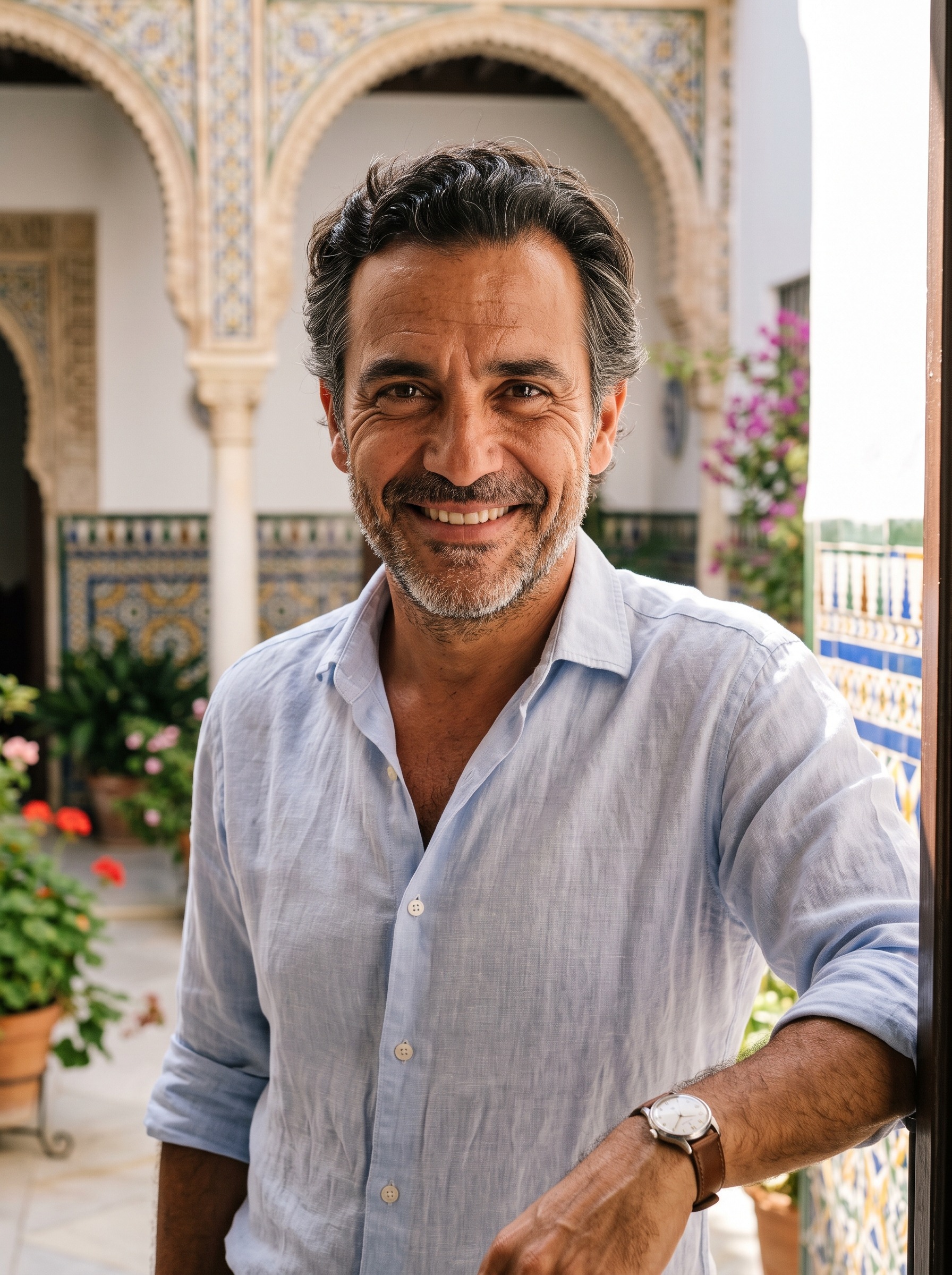

Cross the Puente de Isabel II and the city changes its accent. The crowds loosen, the walls brighten with azulejos, and the first thing Triana does is remind you that it has never much cared for Seville’s polished self-image. This is the barrio that fired half the city in clay, sang its way into flamenco history, and built a whole identity around being across the river but never in the shade of the other bank. It is a working quarter with a river view, and it wears that contradiction well.
What Triana is known for
Triana is known, above all, for three things that still feel embedded in the streets rather than embalmed in a brochure: ceramics, flamenco and river life. The pottery story is written into the street names themselves. Calle Alfarería and Calle San Jorge still carry the memory of the old kilns, when clay from the riverbank was fired into the tiles that now coat churches, patios and façades all over Seville. Flamenco, too, is not a souvenir here. Around Calle Pagés del Corro and Calle Castilla, Gitano families helped shape the cante and baile that made the neighbourhood famous, and the art still seems to cling to the corners on the right night, when a voice cracks open over palmas and the room goes quiet for a second because everyone knows something real is happening.
The river is the other constant. Triana sits on the west bank of the Guadalquivir, tied to the centre by the Puente de Isabel II, which most people simply call the Puente de Triana. It opened in 1852 and remains the oldest iron bridge in Spain, a practical piece of engineering that has become the barrio’s front door. Cross it and you are in a place that locals insist is its own thing. They are not being difficult; they are being trianeros.
The best first stop is the Mercado de Triana at the foot of the bridge, because it says everything at once: food, trade, neighbourhood life, and a site built directly over the Castillo de San Jorge. It is a market with history under its feet and lunch on the counter, which is a very Triana way of doing things.

Where to eat & drink
Triana eats with the confidence of a barrio that knows exactly what it is. Start at the Mercado de Triana, where the stalls and bars open early and keep going in their own unhurried way, roughly from 9am to 3pm, often later for the bars. This is the place to graze oysters, Iberian ham and fried fish while the produce stalls do their quiet business around you. There is no point pretending you came for restraint. You came to nibble, sip and drift.
For a proper tapas crawl, step away from the obvious and work the side streets. Las Golondrinas is the classic three-generation bar, the sort of place that has outlasted trends by never chasing them. Its punta de solomillo — grilled pork loin over fried potatoes — is the kind of plate that makes a tourist stop talking for once, and the garlicky mushrooms are exactly as they should be: simple, hot and a little reckless with the oil. Casa Cuesta on Calle Castilla 1 has been pouring wine since 1880, and the checkerboard marble floors look as if they have absorbed a century of lunch breaks. Order the slow-cooked pork cheek in sherry and let the room do the rest.
Casa Ruperto on Avenida de Santa Cecilia is another Triana ritual, the sort of place locals queue for without embarrassment, because the fried quail — the pajaritos — is worth standing around for. On Calle Pagés del Corro, Blanca Paloma keeps things properly local with berenjenas stuffed with prawns and boquerones al limón, while Bar Amarra does the kind of tortillitas de camarones that make you realise how often elsewhere gets them wrong. These are not places trying to impress the world. They are places feeding the neighbourhood.
For the more ambitious appetite, Puratasca on Calle Numancia is Raúl Vera’s cult tasca, listed in the Michelin Guide, and its arroz meloso with mushrooms, parmesan and truffle has the kind of following that usually belongs to rumours, not restaurants. And if you want your dinner with a view, Abades Triana on Calle Betis serves upmarket Andalusian cooking behind a glass wall that looks straight at the Torre del Oro and the Giralda. It is the sort of room where the city performs for you while you eat, which is a perfectly acceptable vice if you know what you’re doing.
Save room, or at least pretend to, for Manu Jara Dulcería on Calle Pureza 5. The French-trained pastry chef’s tiny shop is routinely counted among Spain’s best patisseries, and it has the right scale for the barrio: small, serious, and in no hurry to flatter you.

Going out
At night, Triana’s centre of gravity slides to Calle Betis. The street runs along the water with terraces facing the lit-up centre, and in the evening it fills with cañas, tinto de verano and long conversations reflected back from the Guadalquivir. It is more river-and-beer than clubbing, which is to say it behaves like a neighbourhood that expects you to sit down and stay a while. In July, during the Velá de Santa Ana festival, the whole stretch seems to lean even further into the river.
But the serious business after dark is flamenco. Teatro Flamenco Triana on Calle Pureza 76 is the barrio’s dedicated flamenco theatre, an intimate room of around 100 seats with nightly shows from roughly €25. It is a reliable, high-quality introduction, and there is nothing wrong with reliability when the standard is this good. The room is small enough that you can hear the scrape of a heel and the breath before a phrase lands.
For something rawer, T de Triana on Calle Betis 20 hosts the Flamenco Esencia project led by dancer María La Serrana in a tiny, improvised room where the guitarist sets the pace and the baile is anything but rehearsed. That is the version you come for if you want the floorboards, not the souvenir.
You may hear old stories about Casa Anselma on Calle Pagés del Corro, the legendary no-sign bar where spontaneous late-night flamenco used to run for decades. Treat it as folklore unless you confirm locally. Triana has enough living music without forcing a pilgrimage to a rumour.

Things to do
Triana rewards slow walking, preferably with no agenda beyond curiosity and maybe a second coffee. Begin beneath the Mercado de Triana at the Castillo de San Jorge, a free archaeological site set into the market’s foundations. This was once a 10th-century Moorish fortress and later the grim headquarters of the Spanish Inquisition; today it is interpreted with walkways over the excavated walls, which is a more honest way to meet the past than pretending it never had sharp edges. The ground beneath your feet matters here.
A few steps away, the Centro Cerámica Triana occupies the old Cerámica Santa Ana factory and tells the barrio’s tile story around preserved kilns. It is small, rooted and exactly where it should be, which is more than can be said for many museums that wander off in search of themselves. Here, the craft remains attached to the street that made it.
Then there is the Iglesia de Santa Ana, begun under Alfonso X in 1276 and generally called the Cathedral of Triana. It is the oldest parish church in Seville, a handsome Mudéjar-Gothic pile with the gravitas of a building that has watched the barrio change and refused to be impressed by it. Nearby stands the Capilla del Carmen at the western foot of the bridge, Aníbal González’s tiled Neo-Mudéjar chapel finished in 1927–28, one of the most photographed corners in the neighbourhood. It is small, decorative and beautifully placed, the kind of structure that catches the evening light and makes everyone reach for their camera at once.
For the simplest pleasure, walk Calle Betis to its far end and look back. The postcard view opens across the river to the Torre del Oro, the Giralda and the Maestranza bullring, and it is best in the low light before sunset, when the city seems to arrange itself for the water.

{{ATTRACTIONS}}
Shopping & markets
If you buy one thing in Triana, make it ceramics. The neighbourhood’s signature shopping streets are Calle San Jorge, Calle Alfarería and Calle Antillano Campos, where workshops and shops still give the barrio its visual grammar. Cerámica Santa Ana, near the market on Calle San Jorge, has been selling hand-painted local work since the 1870s and is the easiest one-stop for tiles, house numbers, plates and religious figures across every price point. Its tiled shopfront is a landmark in its own right, which is only fair: the building is doing the same job as the objects inside it.
Serious buyers should look for pieces painted in the older cuerda seca and cuenca techniques, and if a workshop is still firing on site, buy direct. That is the point of being here: not just to admire the tradition, but to take home something that was actually made in the place you are standing.
The Mercado de Triana also doubles as a practical souvenir hunt for local cheeses, jamón and Andalusian olive oil, which is the more sensible kind of shopping. And if you want the everyday high street rather than the craft trail, Calle San Jacinto is the pedestrianised spine of the barrio, lined with Spanish chains and neighbourhood shops. It is not glamorous, but then Triana has never mistaken glamour for character.

Where to stay in Triana
Staying in Triana is a trade: you give up the Cathedral on your doorstep and gain a more local base, usually at better value, about a 10–15 minute walk across the bridge from the historic centre. That is not a hardship. In fact, it is often the point.
The sweet spot is the strip between the Puente de Triana and the Iglesia de Santa Ana, close to the market, the ceramics streets and the Calle Betis riverfront, but a block back from the noisiest bars. Small boutique properties fit the barrio best. The intimate Cavalta Boutique Hotel on the west bank pairs exposed-brick rooms with a rooftop pool and bar, while Hotel Boutique Triana House sits within a few minutes’ walk of the bridge. Further north, Ribera de Triana overlooks the Guadalquivir with a rooftop pool, though it is closer to the modern end of the barrio.
Light sleepers should ask for a room off Calle Betis and Calle San Jacinto on weekend nights. Prices generally run a notch below the historic centre for comparable rooms, which is much of the appeal. Triana is not trying to out-luxury the other bank. It is offering something better for many travellers: a place that still feels inhabited.
{{HOTELS}}
Getting around
Triana is small, flat and best walked. That is the first and last transport advice you really need. The Puente de Isabel II drops you straight into the old centre, and the Cathedral and Alcázar are a 10–15 minute stroll across the bridge, with the river for company all the way. If you keep one eye on the water and the other on where you are stepping, you will do fine.
For public transport, the closest Metro stop is Plaza de Cuba on Line 1, at the southern edge of the barrio near Los Remedios, about a 10-minute walk from the market. Line 1 also serves the university and Nervión, and the Parque de los Príncipes green space is a short ride south. Numerous city buses cross the bridge into and out of Triana, and cycling is easy and pleasant along the river path.
For the airport, Seville (SVQ) is roughly 20–30 minutes by taxi depending on traffic. The EA bus runs from the city centre a short walk over the bridge rather than from Triana itself. In other words: easy enough, provided you do not insist on making it complicated.
Triana is one of Seville’s most walkable barrios, and it is best understood at street level, where the ceramics, the bars and the river all keep talking to one another. Stay long enough and the neighbourhood stops feeling like the “other side” of anything. It becomes its own city, which is exactly how the trianeros like it.
FAQs
Is Triana a good area to stay in Seville?
Yes, if you want a local, characterful base rather than a room on the Cathedral’s doorstep. Triana is a flat 10–15 minute walk over the bridge from the historic centre, usually better value than Santa Cruz for similar rooms, and it has its own market, tapas bars and flamenco. The trade-off is that you cross the river for the main monuments, and rooms over Calle Betis or Calle San Jacinto can be noisy at weekends.
Where can I see authentic flamenco in Triana?
Teatro Flamenco Triana on Calle Pureza 76 is the barrio’s dedicated flamenco theatre, with nightly shows from around €25 and a reliably high standard. For something rawer, T de Triana on Calle Betis 20 runs the small Flamenco Esencia shows led by María La Serrana. Casa Anselma is the famous old late-night name, but its status has been unreliable recently, so confirm locally before relying on it.
Is Triana safe at night?
Broadly yes. Triana is a busy residential barrio and Calle Betis stays lively and well-populated well past midnight, especially at weekends. As anywhere with bars and crowds, keep an eye on your phone and wallet on packed terraces and around the market, but there is no area you would need to avoid on an ordinary night out.
What is Triana best for?
Triana is best for flamenco, tapas crawls, ceramics, riverside evenings and staying in a local neighbourhood that still feels lived-in. It suits travellers who want character and atmosphere, not just a hotel bed near the monuments.