Salzburg guide
Elisabeth-Vorstadt, Salzburg: the station district that feeds the city
A calm walk through Salzburg’s working quarter of trains, bureks, jazz cellars and river paths, where the city feels lived in rather than posed.
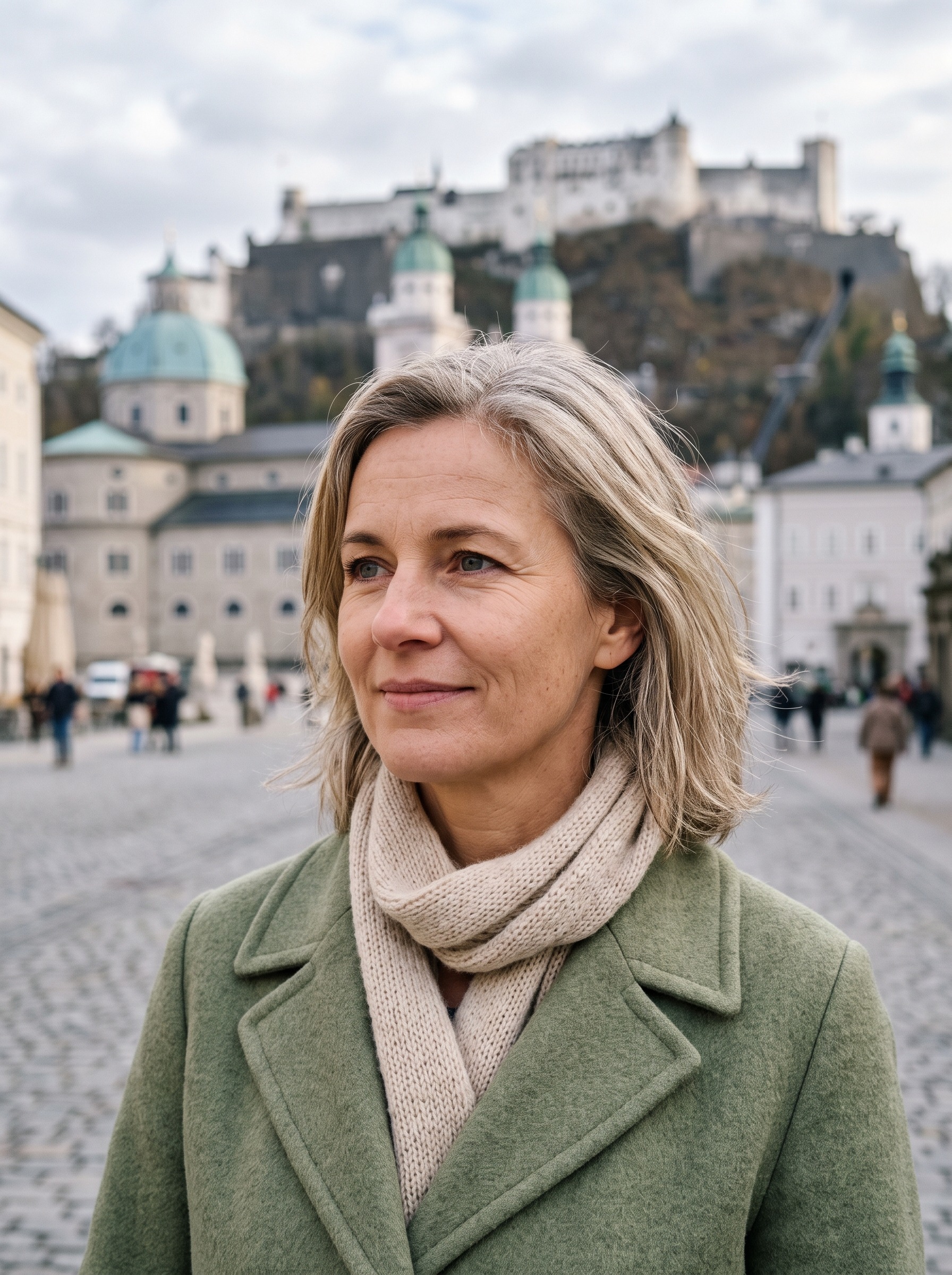

Salzburg Hauptbahnhof is the first thing most people meet here: a platform announcement, a wheeled suitcase, the quick decision to keep moving. But step beyond the station frontage and Elisabeth-Vorstadt begins to read like a city in its working clothes. It is the Salzburg that runs on timetables, lunch counters and late trains, a quarter that does not try to charm you from a distance and so, in its own plain way, often does.
What Elisabeth-Vorstadt is known for
Two things define this district. The first is obvious the moment you arrive: Salzburg Hauptbahnhof, the hub that sends people out to Hallstatt, Werfen, the Salzkammergut lakes and Berchtesgaden, then pulls them back again by evening. The second is quieter and more interesting. Elisabeth-Vorstadt has become the part of Salzburg where the food is changing fastest, where lower rents and a genuinely mixed population have made room for kitchens that would struggle to survive in the Old Town’s polished gravity.
The neighbourhood still carries its older layers if you know where to look. It was once plain old Froschheim before being renamed in 1901 for Empress Elisabeth, and the streets still show the district’s mixed inheritance: Gründerzeit villas on Elisabethstraße, 1920s blocks, the odd post-war slab, and Salzburg’s first high-rise. It is not a postcard district, and that is precisely why it feels real. The tracks press in from the east, the Salzach runs along the west, and between them the quarter keeps its own tempo: commuters, students, longtime residents, travellers with backpacks, and people who have simply learned that being near the station is useful.
There is history here too, though it presents itself modestly. The line of Geheimnissäulen pilgrimage shrines from 1705 still traces an old walking route out toward Maria Plain, a reminder that this was once a place of passage long before it became a place of departures. That sense of movement has never really left.

Where to eat & drink
The best argument for lingering in Elisabeth-Vorstadt is on a plate. This is not the Salzburg of one tidy culinary tradition; it is a district where the menus have been shaped by people who came from elsewhere and stayed long enough to feed the rest of the city.
Furō on Elisabethstraße 5a is the neighbourhood’s most persuasive calling card. It is a small Levantine-fusion vegetarian kitchen inspired by the street food of Tel Aviv, built around housemade sourdough and known for shakshuka, sabich and mezze. Falstaff gave it 87 points, but the more useful detail is the scale: this is a tiny room, and you should book. Expect roughly €30 a head, which feels fair for a place that cooks with this much care in a district where value matters.
A few doors along, Leichtsinn Vitalbistro at Elisabethstraße 1 offers a different rhythm altogether: organic, largely vegetarian and vegan daily lunch, a salad bar, homemade lemonades and the sort of regional-produce ethos that makes sense in a neighbourhood of regulars rather than destination diners. It is the kind of place that quietly does the work of an area, feeding office workers, local residents and anyone who has arrived hungry from the station.
For something you will not find anywhere else in Salzburg, head to Habesha at Gebirgsjägerplatz 1, inside the reborn Lichthaus by the Lehener Brücke. This is Salzburg’s first Ethiopian and Eritrean restaurant, and it changes the feel of the district in one meal. Injera arrives for eating with your fingers, with tibs and kitfo on the side, and plenty of vegan options for those who prefer to stay plant-based. Then comes the coffee ceremony: roasted beans, incense, and the slow, deliberate finish that turns lunch into a small ritual. It opens daily from around 13:00, which suits the neighbourhood’s unhurried, late-starting hum.

If you are after cheap and deeply local, Balkan Bäckerei at Saint-Julien-Straße 2 is the sort of bakery that tells you who the district is for. It is a workers’ favourite, turning out flaky bureks with meat, cheese, spinach or apple for a few euros, cash only. There is nothing decorative about the place, and that is part of the appeal. The pastry is the point.
Pizza, too, has found a home here in more than one register. Lievitamente Pizzeria Napoletana at Elisabethstraße 21a is tiny — just four tables — and run by a Naples-trained pizzaiolo, Luigi. Its 4.7-star reputation reflects the kind of precision that matters in a room this small. Then there is Il Padrino at Jahnstraße 8, where wood-fired pizza and handmade pasta sit in the €10–20 range and the mood is more straightforwardly family-friendly. Between them, they cover the neighbourhood’s appetite for a good, unfussy meal.
For a more recognisably Austrian evening, Braurestaurant IMLAUER at Rainerstraße 14 serves Salzburg’s own Stiegl beer and Wiener Schnitzel in a chestnut-shaded garden. It is open daily 11:00–23:00, and on a warm evening the terrace gives the district one of its softer edges.

Going out
Nightlife here is not about spectacle. Elisabeth-Vorstadt goes out in a lower key, which is to say that the serious places are serious about what they do rather than how loudly they announce it.
The indispensable address is Jazzit at Elisabethstraße 11, also written Jazzit Musik Club. It sits in a former KPÖ party cellar and has the sort of cultural memory that makes a venue feel rooted rather than imported. The programme ranges across jazz, avant-garde, electronic, world, soul, funk and hip hop, with concerts, workshops and jam sessions folded into the week. The Tuesday jams in the Jazzit:Bar are often free, and there is a summer garden for the months when Salzburg remembers to loosen its collar. Each September, the district also hosts the Take the A-Train jazz festival, which gives the quarter a brief but welcome moment of extra voltage.
Then there is hu:goes14, the rooftop bar on the fourteenth floor of the arte Hotel at Rainerstraße 28. The name is a small joke and a precise one: Hugo von Hofmannsthal and the floor number. It pours fourteen different variations on the Hugo cocktail and opens daily from 16:00 to 24:00. The attraction is not mystery but height: a glass-walled panorama over the Old Town, Mönchsberg and Kapuzinerberg, with the city’s roofs laid out in a way that makes the station district feel like part of the same organism rather than a separate zone.

Things to do / what to see
The most useful thing to do in Elisabeth-Vorstadt is to walk. Not because there is a checklist to complete, but because the district reveals itself through movement: along the river, past the station, through the older streets, and out toward the shrines that mark its older routes.
The headline sight is really the front door itself: Salzburg Hauptbahnhof, a handsome glass-roofed station and the launchpad for the whole reason many people stay here. From these platforms, you can be in Hallstatt, Werfen, the Salzkammergut lakes or Berchtesgaden within a couple of hours and still be back in time for dinner. That is not a romantic detail, but it is a deeply practical one, and practical cities often tell the truth more clearly than decorative ones.
The best free wandering is along the Salzachufer on Josef-Mayburger-Kai and Elisabethkai, the right-bank riverside path locals use for jogging, dog-walking and warm-evening loitering. Across the water, the Old Town skyline sits in plain sight, and the bridges into the centre are only minutes away. On a good evening, this walk explains the district better than any summary could. The river keeps the whole quarter from feeling sealed off; it opens the neighbourhood to the city and gives it a little breathing room.

If you want a quieter, more eccentric layer of local history, trace the row of Geheimnissäulen pilgrimage shrines from around Elisabethstraße toward Plainstraße. They are small, easy to miss, and all the better for it. These are old waymarkers, not grand monuments, and they suit a district that has never needed to shout.
The reborn Lichthaus by the Lehener Brücke is another useful stop, not because it is a landmark in the classic sense, but because it captures where the quarter seems to be heading. Once empty, it now holds Habesha, student housing and a mix of tenants that locals describe as the pulsing heart of the area. It is a sign of redevelopment, yes, but also of continuity: a place being used again, by more kinds of people than before.
{{ATTRACTIONS}}
Shopping
Shopping in Elisabeth-Vorstadt is not about polished boutiques. It is everyday, useful, and a little more revealing for that. Around Südtiroler Platz and the station you will find supermarkets, the Forum shopping centre and the practical retail that makes the district easy for self-caterers and day-trippers. It is the sort of infrastructure you only notice when you need it, which is another way of saying it is what makes a neighbourhood liveable.
The more interesting stops are on Elisabethstraße. P3 Comix “play your game” at Elisabethstraße 43a is part specialist shop, part social room: board games, card games, role-playing games, comics and Games Workshop kit, with an adjacent room where up to twenty players can gather for tournaments and open gaming. It is open Thursday to Saturday from 15:00 to 21:00, and it feels exactly like the kind of place that belongs in a district where students, commuters and longtime residents overlap.
A little way along, Carla Velorep at Elisabethstraße 17 does something even more useful in a flat, bike-friendly city: it is a Caritas social-enterprise bike workshop selling affordable refurbished second-hand bicycles and carrying out repairs. In a place like Elisabeth-Vorstadt, that is not a novelty. It is part of the neighbourhood’s practical intelligence.
Where to stay in Elisabeth-Vorstadt
This is the value play in Salzburg. Elisabeth-Vorstadt wraps around the station and gives you the city’s densest cluster of practical, well-connected hotels at prices the Old Town cannot touch. The trade-off is obvious and, for the right traveller, worthwhile: you are still only a 10–15 minute walk from Mirabell Gardens and around 20 minutes on foot from the historic centre, but you are sleeping in a district that works rather than performs.
The streets right by the tracks — especially around Rainerstraße and Südtiroler Platz — are the most convenient for early trains and the noisiest at night, so light sleepers should ask for a river-facing or side-street room. The quieter pockets sit toward the Salzach along Elisabethkai and among the Gründerzeit blocks around Elisabethstraße, where the pace is a little softer and the buildings carry more of the district’s older texture.
The price feel runs from budget and hostel-style up to comfortable mid-range business hotels. That makes Elisabeth-Vorstadt a smart base if being near the station buys you a better room for your money, and the wrong choice if your entire Salzburg fantasy depends on stepping out into baroque scenery the moment you open the door.
{{HOTELS}}
Getting around
Transport is the district’s superpower. Salzburg Hauptbahnhof puts the S-Bahn, including line S3, the Lokalbahn terminus under Südtiroler Platz, regional buses and the electric trolleybus network all within easy reach. The city-bus and trolleybus lines 1, 2, 3, 5, 6 and 25 fan out from here into the centre and suburbs, which makes this one of the most straightforward places in Salzburg to base yourself if you plan to move around.
The airport connection is unusually simple: trolleybus line 2 runs directly from the station to Salzburg Airport in about 19 minutes. It is one of those small civic facts that says a great deal about the city’s scale. You can arrive, drop your bag, and be at the terminal again without drama.
On foot, the Old Town is roughly a 20-minute walk south, Mirabell Gardens 10–15 minutes, and the whole quarter is flat and easy to cross. That also makes it friendly for cycling, which suits the practical, everyday character of the place. For long-distance travel, you are spoiled: fast trains to Vienna, Munich and Innsbruck, plus the regional lines that turn Hallstatt and the Salzkammergut into a day trip rather than a saga.
In the end, Elisabeth-Vorstadt is not trying to be Salzburg’s prettiest district. It is trying to be useful, and in doing so it has become one of the city’s most interesting. It feeds people cheaply, puts them on trains quickly, and gives them a river path when they need to slow down. That may not be the Salzburg of souvenir windows, but it is the Salzburg that gets up early, works late, and knows where to eat after the last platform announcement has faded.
FAQs
Is Elisabeth-Vorstadt a good area to stay in Salzburg?
Yes, if you care more about price, convenience and transport than old-town atmosphere. It has some of Salzburg’s most affordable practical hotels, sits right by the main station for day trips, and is still only about 10–20 minutes on foot from Mirabell Gardens and the historic centre.
Is Elisabeth-Vorstadt safe?
Broadly yes. It is a normal working, multicultural district rather than a nightlife strip. The immediate station forecourt can feel a little rougher late at night, so use the usual big-city awareness there, but the wider neighbourhood is generally calm.
Where should I eat in Elisabeth-Vorstadt?
For something memorable, try Furō for Levantine vegetarian cooking or Habesha for Ethiopian and Eritrean food. For cheap and authentic, Balkan Bäckerei’s bureks are a local staple; for pizza, Lievitamente or Il Padrino; and for a traditional Austrian meal with Stiegl beer, Braurestaurant IMLAUER on Rainerstraße.
How far is Elisabeth-Vorstadt from Salzburg’s Old Town?
It is a straightforward walk: roughly 20 minutes to the historic centre and about 10–15 minutes to Mirabell Gardens. That makes it convenient without being cut off from the rest of the city.