
You feel sugar season before you see it. The plough ridges along the back roads start to grey and shrink, sap lines and buckets appear in the maple stands off the highway, and for six or seven weeks between roughly early March and late April the region around Quebec City reorganizes itself around a single long meal. That meal is the cabane à sucre: a wood-heated hall, a family that has been boiling syrup on the same land for generations, and a table that keeps coming until you surrender.
The tradition goes back further than any of the shacks on this list — Indigenous communities in the region were tapping maple trees long before French settlers arrived, and by the 19th century sugaring-off had become a fixed rural event, a reason for extended families and neighbours to gather once the worst of the cold had passed. What's changed is scale: some of the operations below now seat hundreds at once and run tour buses in from the city, but the format underneath — a wood fire, a long table, syrup on everything — hasn't moved much. The choice for a visitor isn't really which shack serves the best food, since the menu is close to fixed everywhere; it's which format of the ritual suits you, and how far you're willing to drive to get it.
The Big Family Halls, Built for Groups
Most of what Quebec calls a cabane à sucre is really a hall: long communal tables, a wood-fired evaporator either visible or a short walk away, and a fixed all-you-can-eat menu that arrives in waves rather than courses. These five are built for that scale and handle it well — all of them take weddings, corporate outings and reunions on top of the regular walk-in trade, so if you're booking a large party, say so up front rather than showing up and hoping the room has space.
Sucrerie Blouin, on Île d'Orléans just downstream from the city, is one of the island's more storied wood-fired operations — it still taps and boils the old way, and keeps a working mini-farm that gives kids somewhere to go between courses. It takes school groups and bus tours as easily as it takes weddings and corporate reunions, so book ahead if you want a specific date; a seat runs roughly CAD $30-45 for an adult, all-you-can-eat.
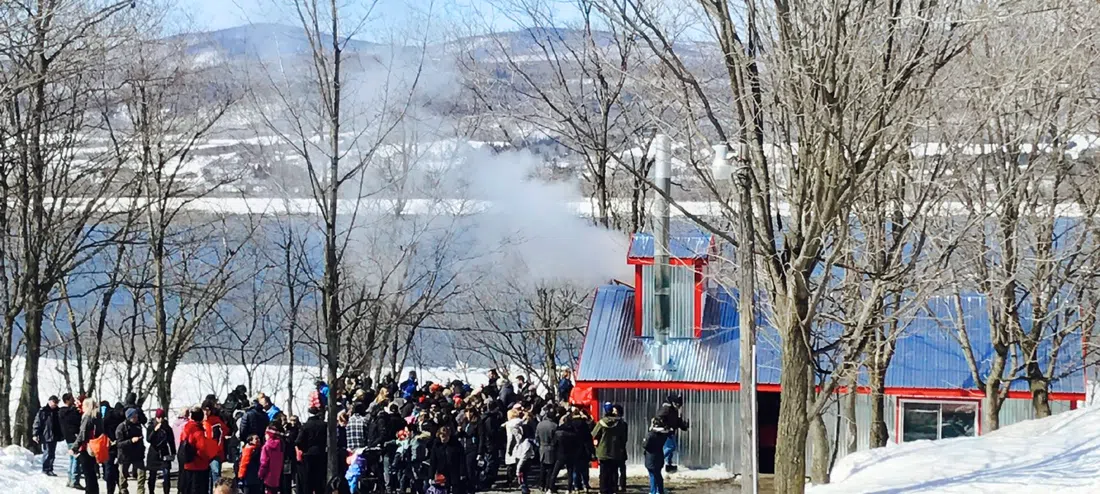
Le Relais des Pins, 15 to 20 minutes from downtown, is fourth-generation and built a 250-seat hall specifically to handle the volume — this is the one to pick if you're wrangling a group of twelve and don't want to split across two reservations. It's open year-round by reservation, not just in spring, and runs about CAD $30-40 a head for the full classic menu, pea soup through tire sur la neige.
Cabane à sucre Familiale, run by the Létourneau family for more than 40 years, accommodates groups up to 160 and is one of the few on this list to offer a vegetarian option if you flag it in advance — worth knowing if your table isn't uniformly carnivorous. It runs live taffy-pulling and boiler demonstrations through the meal, so the process stays visible rather than happening in some back shed out of sight. CAD $30-40, all-you-can-eat.
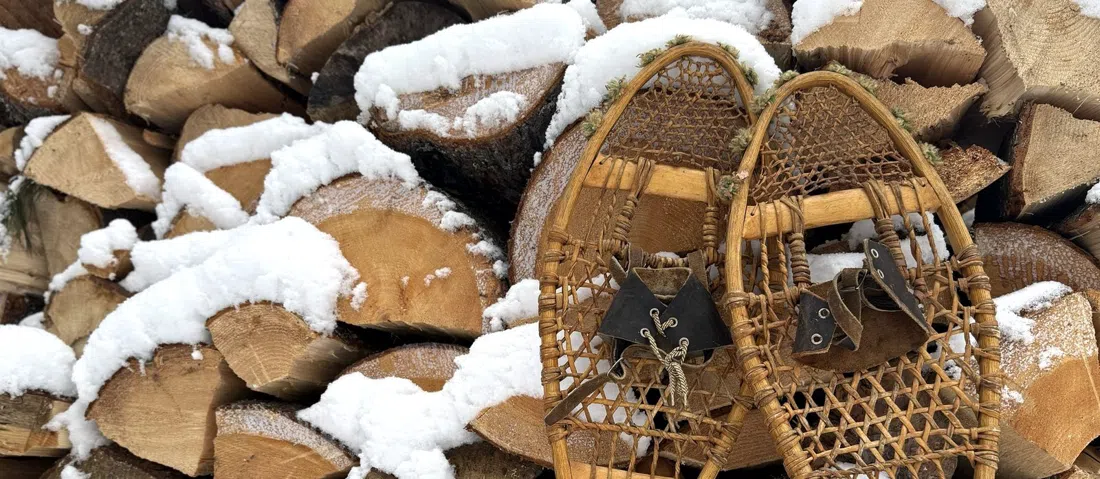
Érablière le Chemin du Roy, 20 minutes out and running since 1988, takes families and groups up to 200 and layers snowshoeing and sleigh rides onto the day, which makes it a reasonable pick if you want to burn off some of the meal before the drive back rather than just sitting until the sugar hits. CAD $30-45.
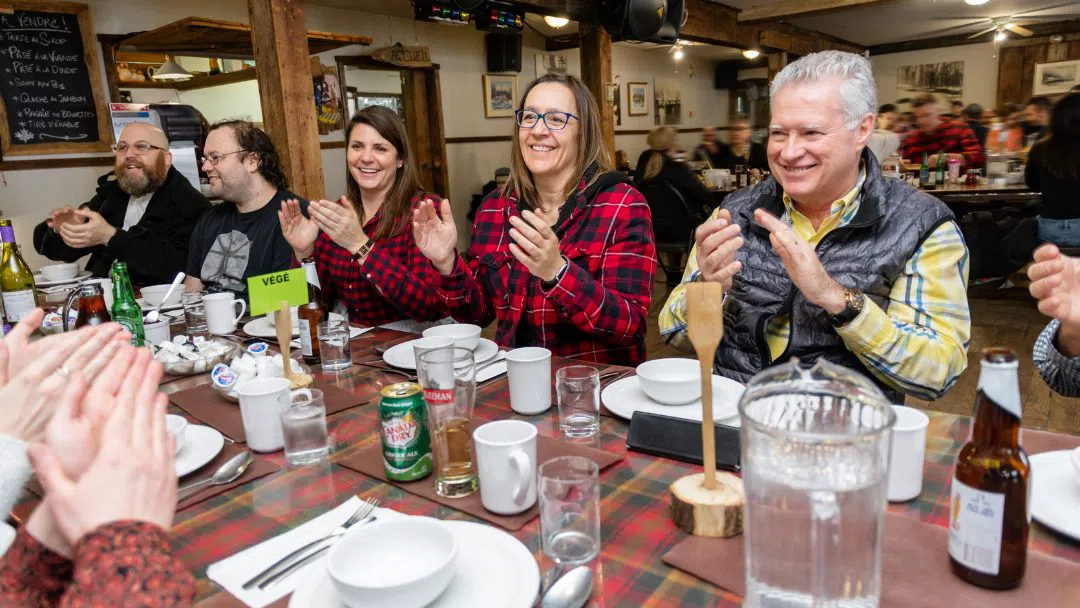
Érablière du Lac-Beauport, also about 20 minutes from the city, has been run by the same Lessard family for six generations and built two halls — one for 200, one for 120 — specifically so a big booking doesn't swallow the whole room and drown out smaller parties. It pairs the meal with a walk-through maple-heritage museum, a better use of the digestion window than sitting still at the table. CAD $30-40.
Shacks With an Angle: View, Brunch, Chalet
A few operators have built something beyond the standard hall, and each is worth choosing for a specific reason rather than by default.
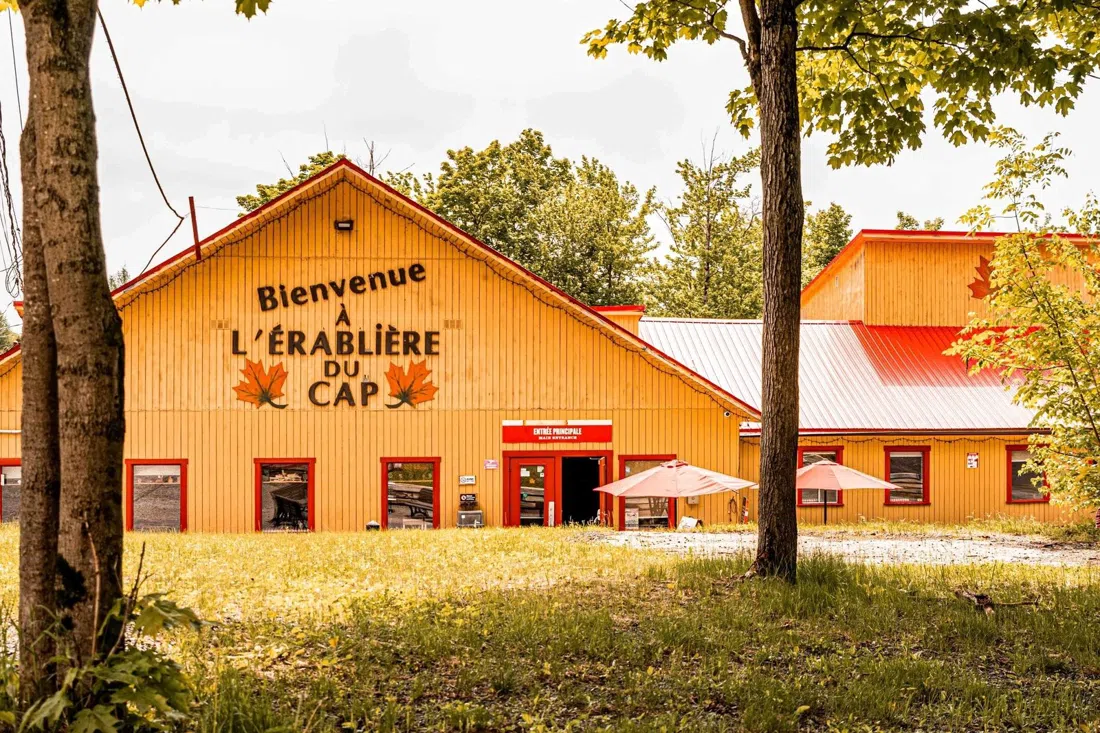
Érablière du Cap, just across the river from Quebec City, has run as a family operation since 1984 and has a dedicated group-events program for corporate parties and receptions — but the real draw is the skyline view back toward the city, which none of the other shacks on this list can offer. CAD $30-40.
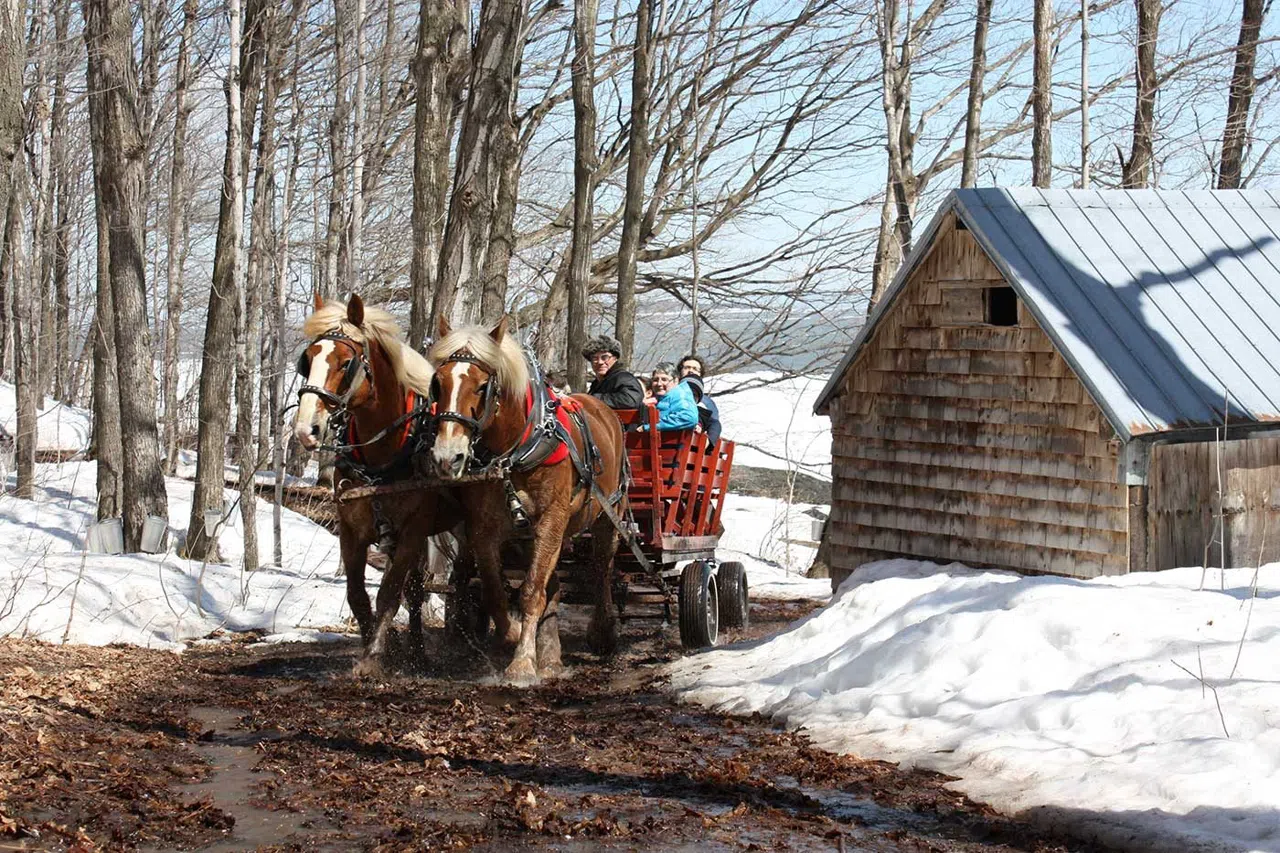
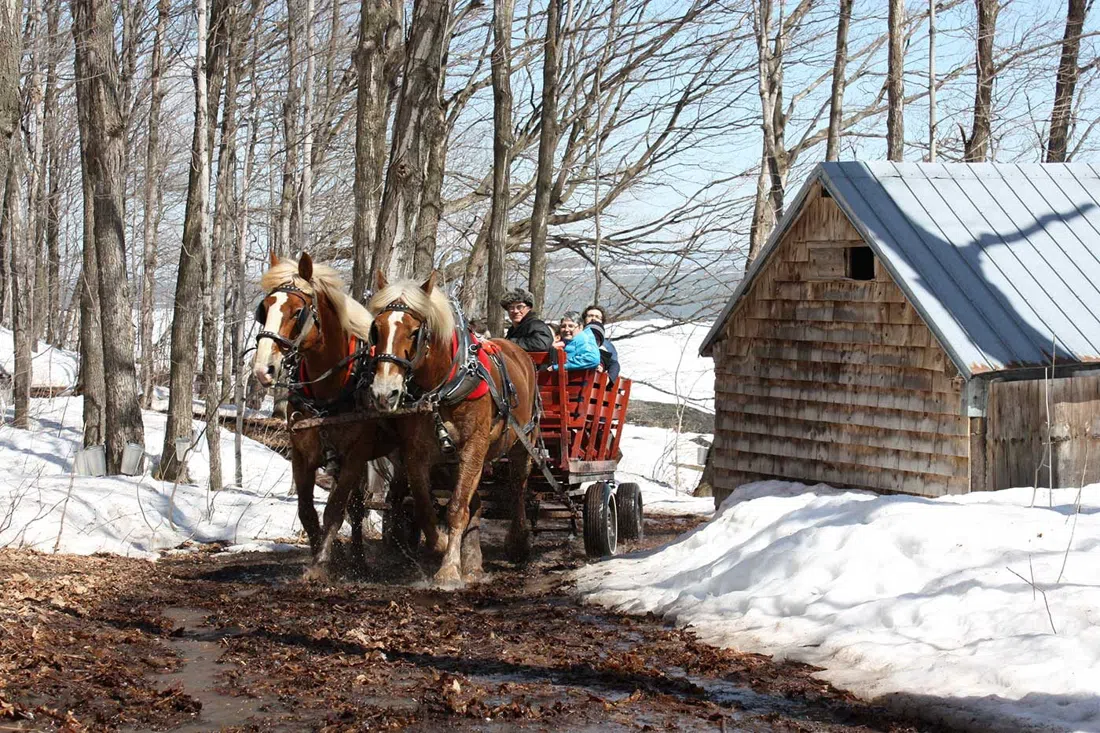
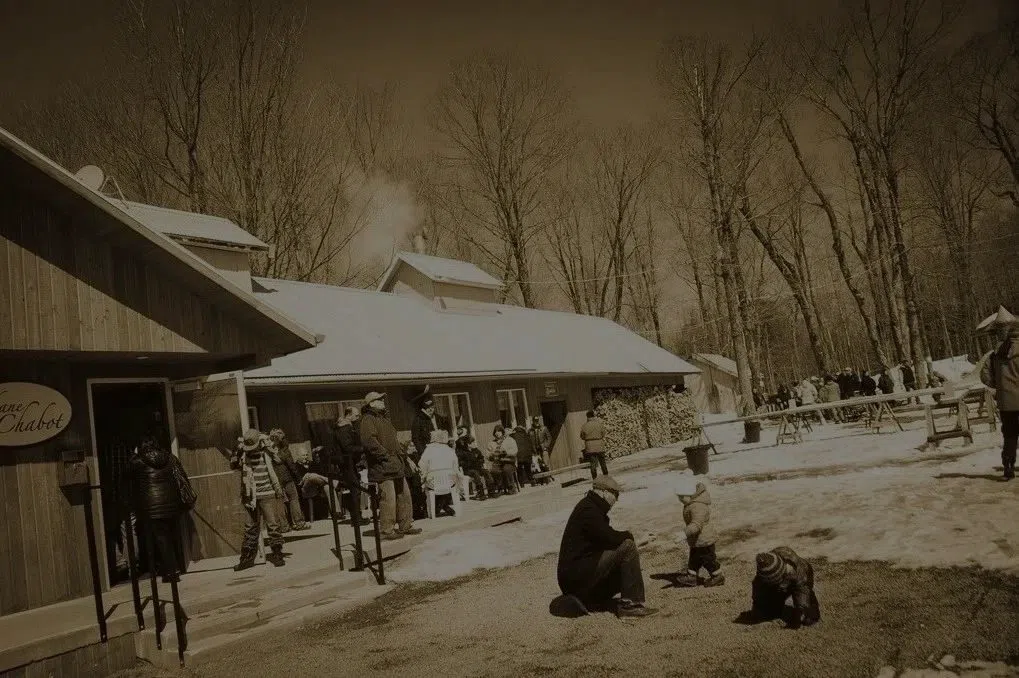
Cabane à sucre Chabot, half an hour out in Portneuf, is family-owned and geared toward weekend brunch rather than the full evening feast. Its signature is a horse-drawn sleigh that does the meal service, which makes it the pick for a relaxed Saturday morning with kids rather than a long afternoon at the table. It runs CAD $25-35 and is priced and structured as brunch, not the full all-you-can-eat spread.
La Cabane Festive — Au Chalet en Bois Rond, 45 minutes into Portneuf county, is built from genuine round logs and still boils the old ancestral wood-fired way — it seats 75 but has private-room options if you're hosting a reception or an event that wants a door that closes. CAD $30-40.
Small and Quiet: For Two, Not for Twelve
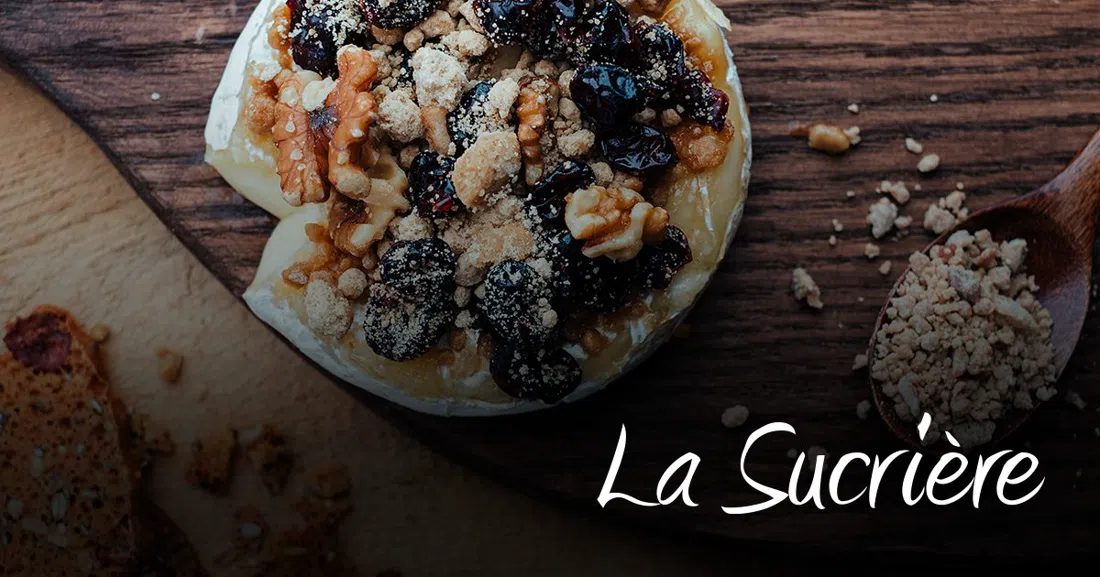
If the hall format sounds like a lot — and for some travellers it is, given the noise and the fixed seating times — La Sucrière is the deliberate counterpoint. It's small, reservation-only, and not built for buses, which makes it the better choice for a couple or a small family who want the ritual without the crowd around them. CAD $25-35.
The Modern Take
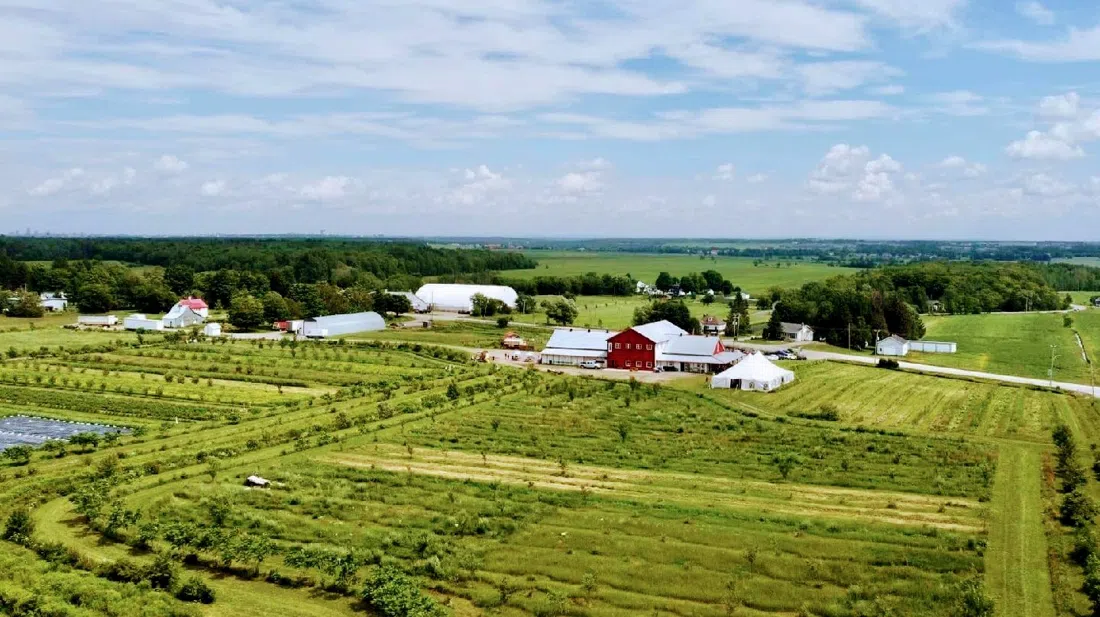
Cité Agricole – La Cabane reworks the format for visitors who want the tradition without the folksy trim — designed rooms, a tiered menu running CAD $29-79 depending on what you choose, and private bookings for groups of 10 or more adults; outside of a private booking you'll be seated as part of a multi-group seating, so ask when you reserve which kind of slot you're getting. It's a useful contrast if you're doing more than one sugar shack on a trip and want to see both ends of the format side by side.
Worth the Longer Drive
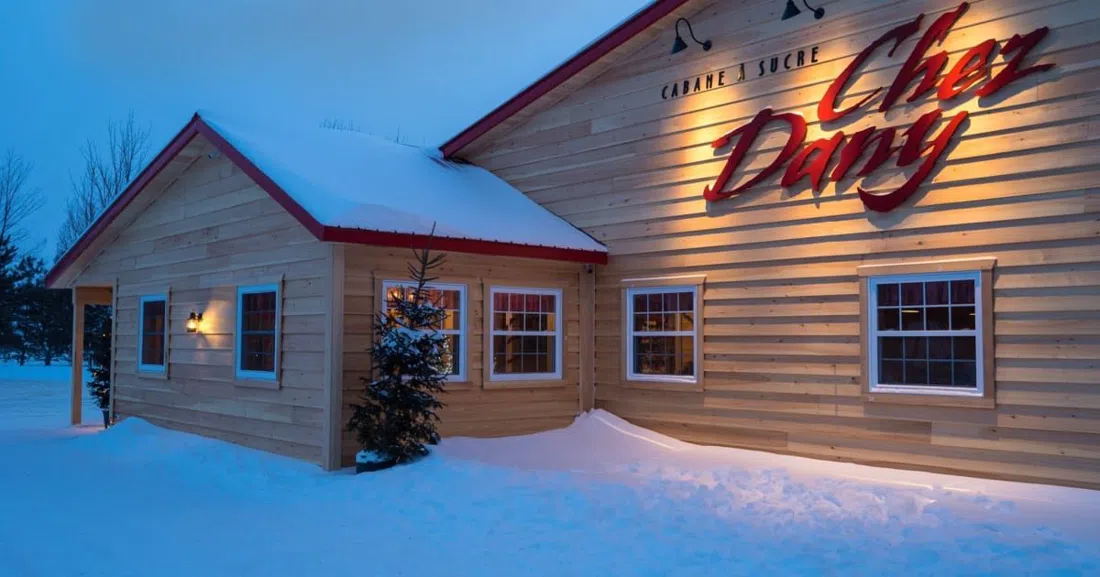
Cabane à sucre Chez Dany is about 90 minutes from Quebec City, out toward Mauricie, and only really makes sense if you're already doing a wider loop through that region — but it earns the detour. It's high-capacity and bus-tour friendly, reservations are strongly advised, and unlike most of the shacks above, it runs its full sugaring-off menu year-round rather than only in spring, which makes it useful if your dates don't line up with the March-to-April window everyone else is working around. CAD $30-40.
What Actually Arrives at the Table
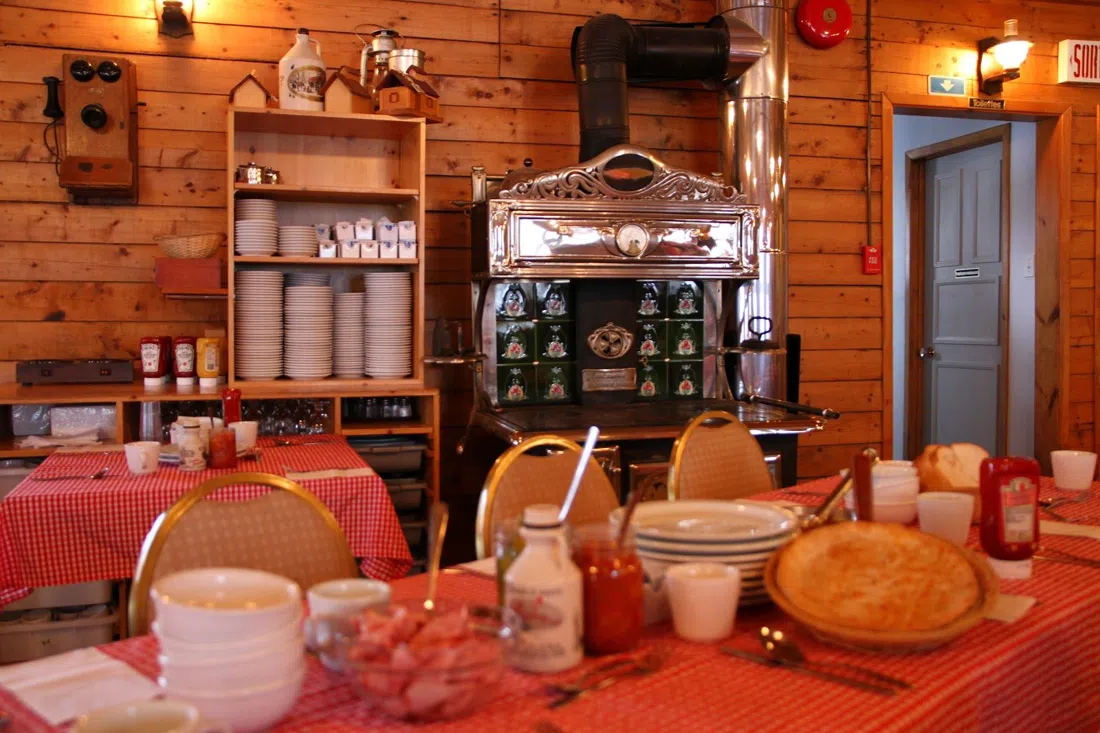
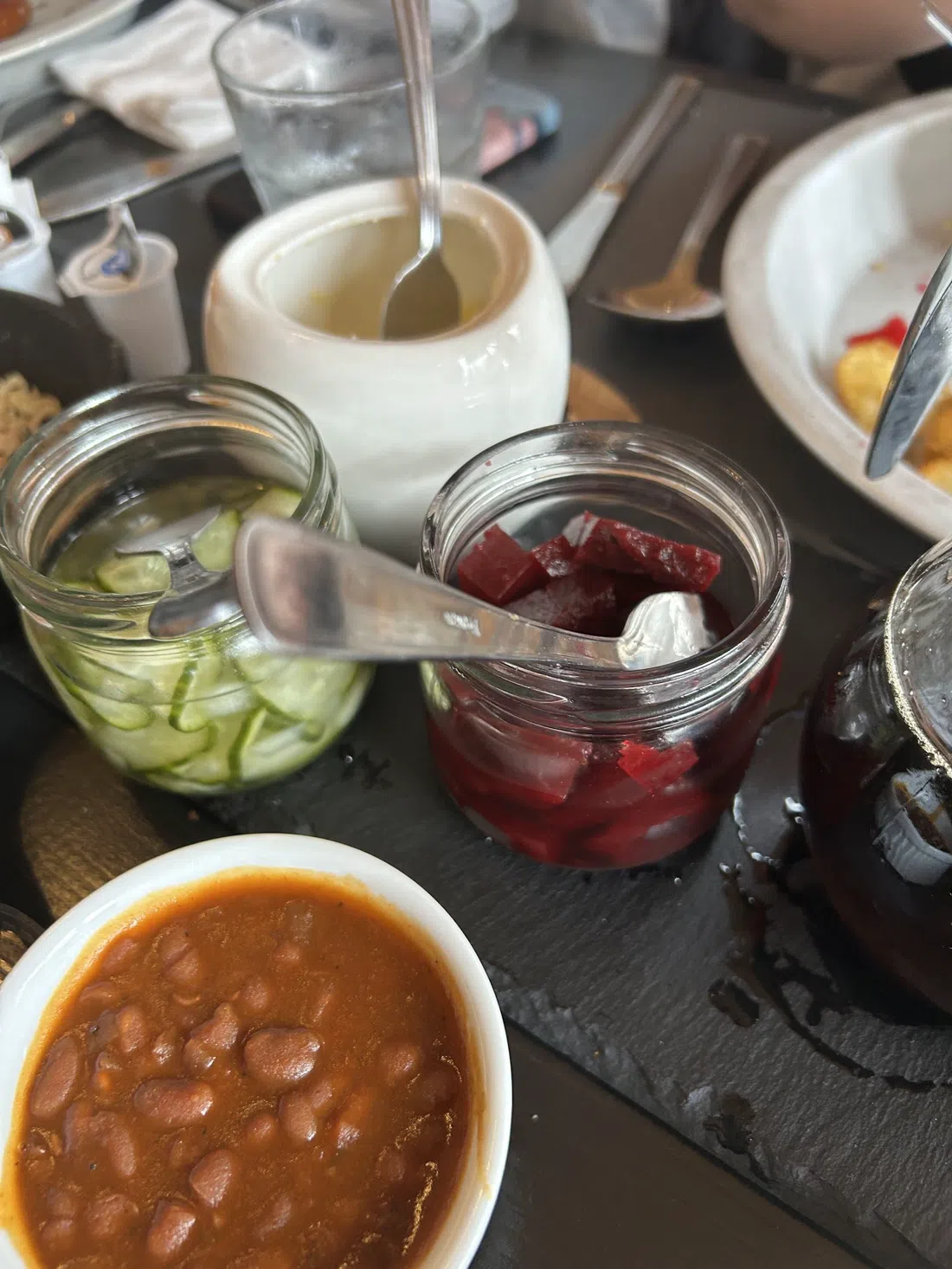
The menu barely varies between operators, which is part of the point — this is a fixed ritual, not a chef's showcase. Expect it to start with a thick pea soup, then oreilles de crisse (crisped-up pork rind, salty and sharp enough to cut through everything that follows — the name translates as "devil's ears," and once you've eaten a plate of it you'll understand why nobody's bothered to soften the name), maple-baked beans, ham, a meatball or pork stew, and tourtière — the spiced meat pie that Quebec treats as a category rather than a single recipe, with fillings that shift from one kitchen to the next. It keeps coming until you tell your server to stop; this is genuinely all-you-can-eat, not a set number of courses, and pacing yourself matters more than it sounds like it should.
The meal ends the same way everywhere: tire sur la neige, hot maple taffy poured in a line onto fresh snow and rolled up on a wooden stick as it sets. It's the one part of the day photographed to death and still worth doing in person — the taffy has a different texture depending on how cold the snow is and how fast the kitchen gets it out to you, so it's never quite the same twice.
None of this happens quietly. The halls seat you at long shared tables, sometimes next to families you've never met, and most run some kind of live fiddle or accordion music through the afternoon — it's closer to a wedding than a restaurant sitting, and the noise is part of what's being sold. If you want a quiet lunch, this isn't it; if you want to understand why Quebecers treat the end of sugar season as something worth driving out for, sitting through the noise is most of the answer.
Getting There, Timing and Budget
None of these shacks are reachable by Quebec City's public transit in any practical way — you need a car, a rental, or a tour operator that includes transport, and several of the halls (Blouin, Le Relais des Pins, Chemin du Roy, Chez Dany) run their own bus-tour bookings if you'd rather not drive rural roads on a full stomach afterward. If you are driving yourself, remember this is still winter driving: rural roads around the Île d'Orléans, Portneuf and Lac-Beauport shacks are ploughed but can ice over fast once the sun drops, so a rental with winter tires (standard on Quebec rentals in season) and a full tank before you leave the city matters more than it would in summer. If you're staying downtown, build the shack into a full day: most seatings run two to three hours and the family operations 20 minutes out don't reward rushing.
Season runs roughly early March to late April, tracking the actual sap run rather than a fixed calendar — a warm early spring can close the season sooner than a listing suggests, so if you're planning around a specific week, call ahead rather than assuming the date is guaranteed. Weekends book out first, particularly at the group halls; if you can go on a weekday you'll get a better seat and less noise.
Bring cash as a backup — most of these are family businesses in rural locations where a card reader can be one bad connection away from useless, especially mid-meal when the hall is full. Budget CAD $30-45 a head for the standard all-you-can-eat halls, less for the brunch format at Chabot, and up to $79 if you go for the top tier at Cité Agricole. Tipping isn't automatic the way it is in a city restaurant, but 10-15% is normal if you were waited on at a table rather than serving yourself from a buffet line.
If you're basing yourself in the city for the trip, sort your Quebec hotel search before the sugar shacks — most of these are day trips out and back, and you'll want a comfortable bed to collapse into afterward rather than a long drive home. For everything else worth doing in the city itself, the Quebec guide covers it.