
Cross the Pont de l'Île at Saint-Pierre and the city's traffic noise drops away inside a kilometre. Île d'Orléans is a 34-kilometre loop of farmland ringed by the St. Lawrence, twenty minutes from Old Quebec, and for three centuries it has fed the city directly — strawberries in June, apples in October, cider and ice wine through the months when the fields go white. Its chefs still drive out here for produce, and its farmhouses, some raised in the 1720s, are the clearest surviving record of how New France actually lived.
The island splits into six parishes strung along a single ring road, the Chemin Royal, and each one has its own character: Saint-Pierre is the working entry point, thick with cellars and orchards; Sainte-Pétronille, at the western tip, faces the city directly and has the money and the views to match; Sainte-Famille and Saint-Jean carry the oldest houses; Saint-Laurent and Saint-François feel the most agricultural. None of it takes more than an hour to drive end to end, which is why it rewards a full day more than a rushed afternoon.
Cellars that work through the freeze
The island's producers don't hibernate, and that's the part visitors from warmer places tend to misunderstand. Quebec winters run from roughly November to April, and rather than shuttering for that stretch, several producers here build their signature products directly out of it.
Cassis Monna & Filles (Saint-Pierre-de-l'Île-d'Orléans), just over the bridge, is the estate to build a visit around. It's a cassis — blackcurrant — winery and distillery with a restaurant and terrace, and it takes groups and coach tours comfortably; reserve ahead for the restaurant, but the tasting room absorbs larger parties without fuss. Tastings run roughly $10-20 CAD, mains $25-35. The restaurant and dairy bar close for the winter months, but the wine cellar and boutique stay open all year, which is exactly why this is the anchor stop for anyone tracing the produce-and-cider story from field to bottle. Walk the cellar before you sit down for a tasting — the barrels and the copper still make the case for why the liqueur is worth the detour better than any tasting note can.
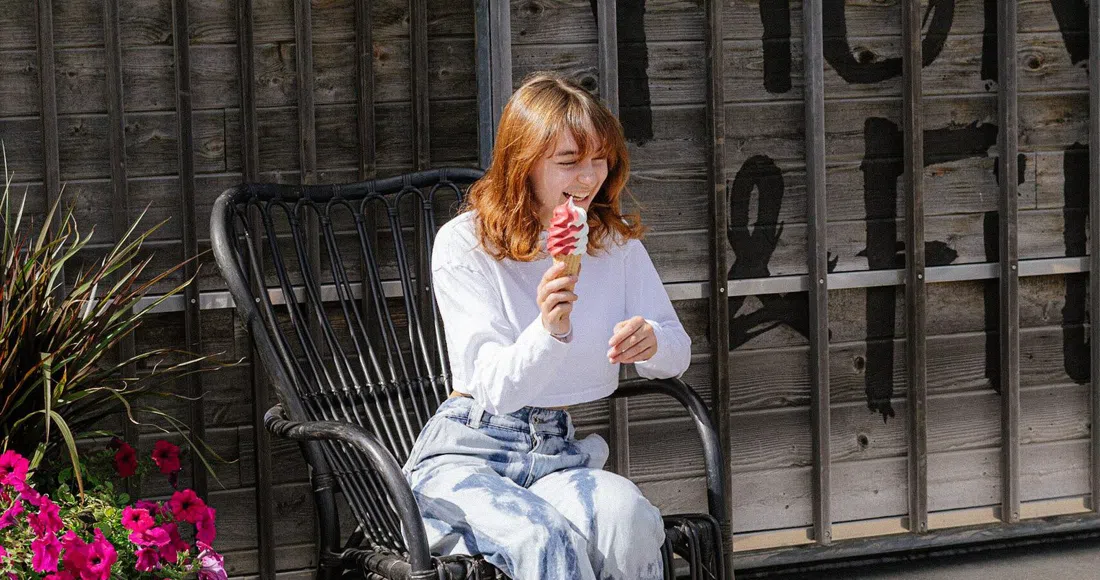
A few minutes further on, Vignoble Isle de Bacchus (Saint-Pierre) is where the deep-freeze narrative gets literal. Founded in 1982, it was the island's pioneering vineyard, and it now opens specifically on winter weekends for the ice wine harvest — grapes picked frozen, pressed while still hard, concentrated by the cold rather than despite it. Tastings are inexpensive, bottles run $25-45. Small groups are welcome without notice; larger tours need advance booking.
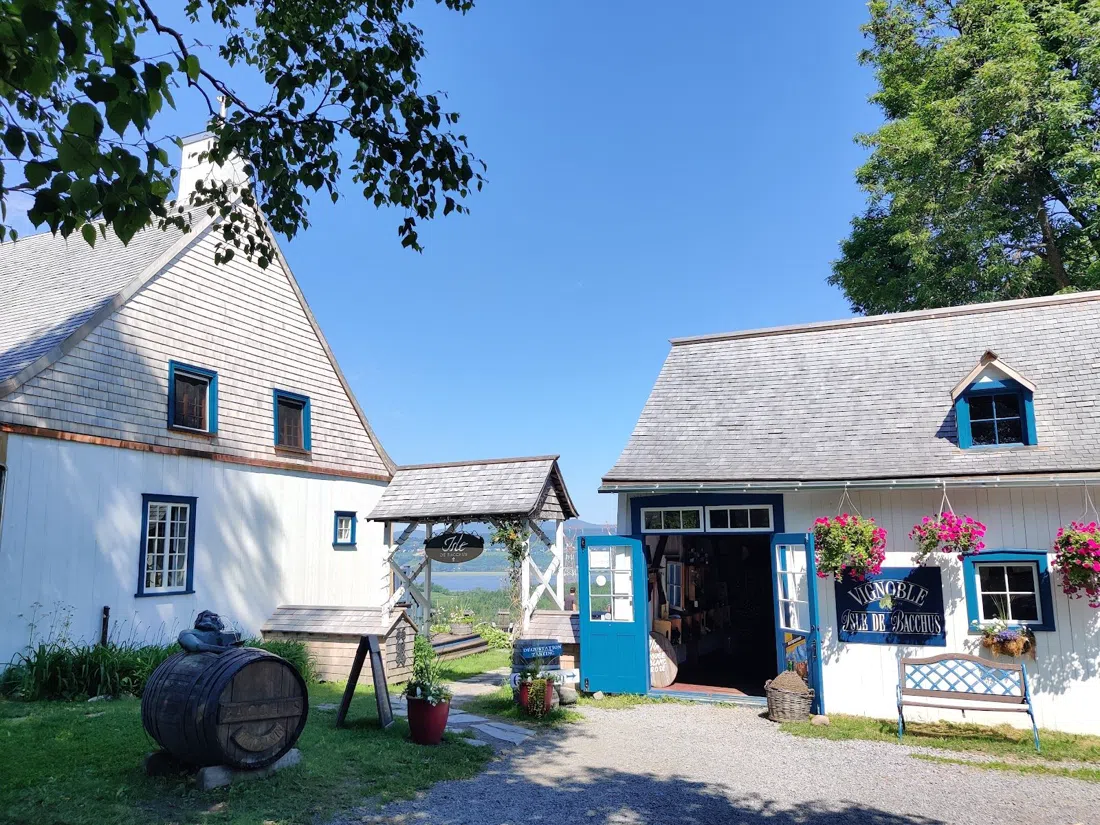
Domaine Steinbach (Saint-Pierre) works the same cold-weather logic from the orchard side. It's a cider house, distillery, and vinegar producer built around its own apples, and its ice cider and barrel-aged vinegars have picked up national awards. The cider bar and lunch counter take groups reasonably well; the on-site B&B does not, so don't plan a large-party overnight here — book the rooms only if you're two or four people, not a coach load. Tastings are cheap, a light lunch runs mid-range, and the vinegar is worth buying even if you skip the alcohol: it's the clearest sign of a producer using every part of the harvest rather than just the parts that ferment easily.
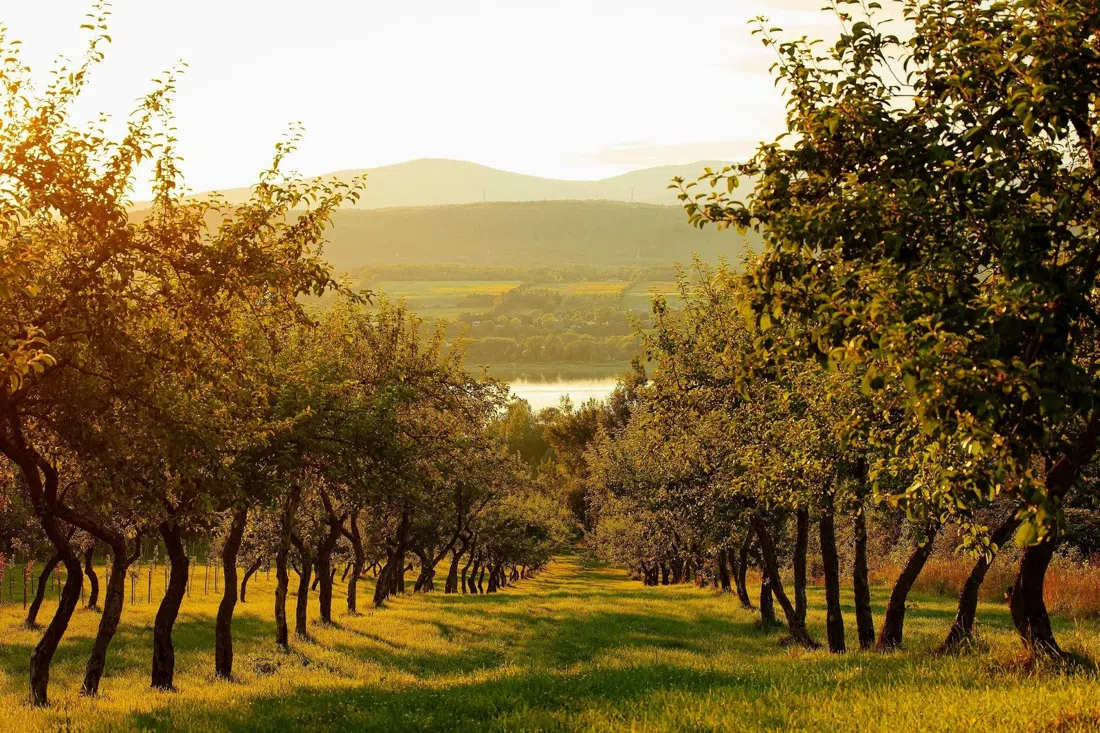
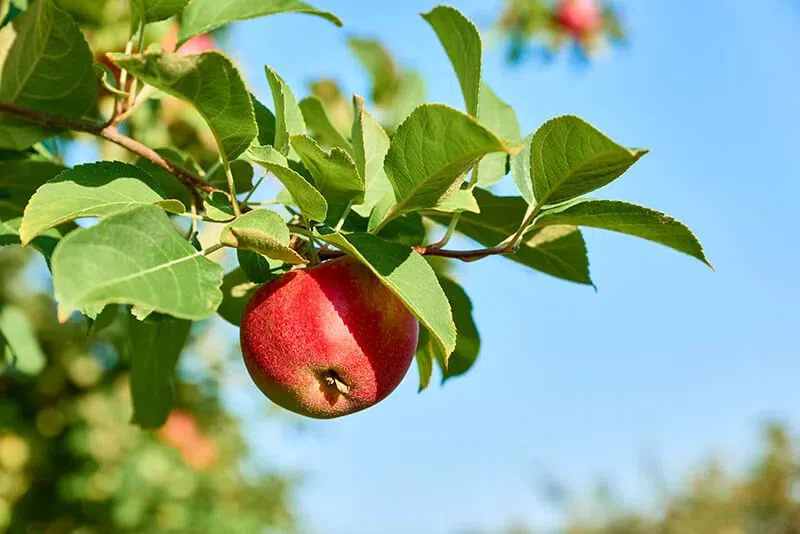
Cidrerie Verger Bilodeau (Saint-Pierre) is the biggest and most visitor-ready of the cider operations — multiple Coupe des Nations wins, a mini-farm, apple-picking by the kilogram, and picnic tables that make it genuinely good for families and larger parties. It's one of the few venues on this list that explicitly hosts school and daycare groups alongside coach tours, so expect it to feel busier and more organized-for-crowds than the smaller cellars. Tastings and shop prices are modest; picking is priced per kg.
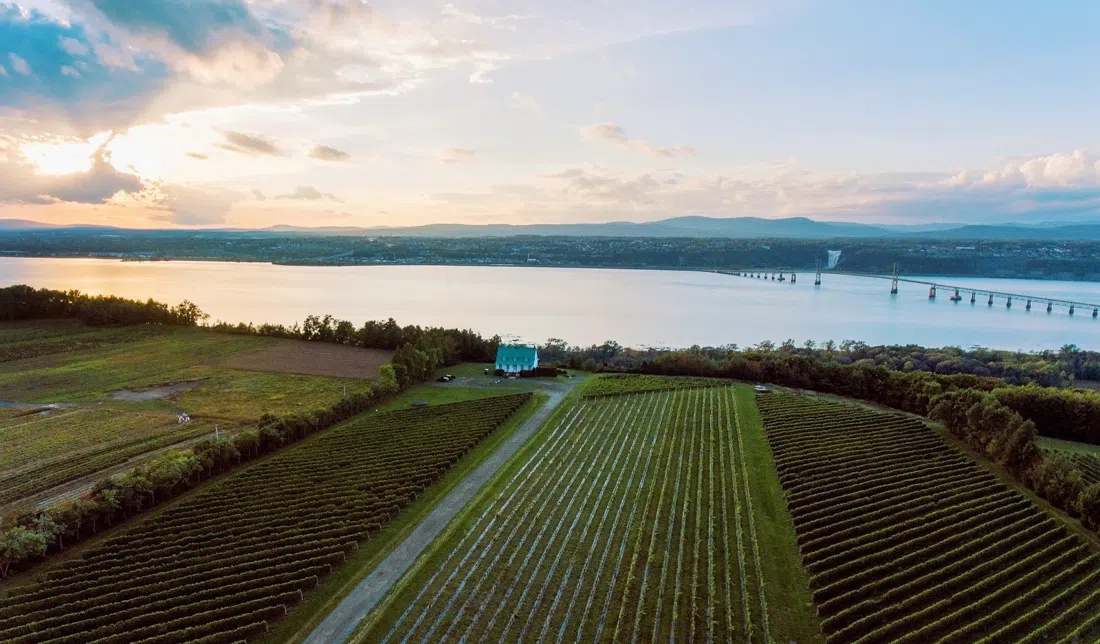
For something quieter, Vignoble Sainte-Pétronille (Sainte-Pétronille) has been organic since 1988 — the island's first — and its terrace, set among the vines with the river and Quebec City skyline behind it, is built for a slow afternoon of pizza and wine rather than a tour-bus stop. There's no stated large-bus policy, so call ahead if you're bringing a big group; smaller parties can generally just show up. Expect $$ for the pizza-and-wine combination, and expect to want an extra hour once you're actually sitting there — this is the view that makes people rearrange the rest of their day.
Where the city's kitchens actually shop
The "chefs source their produce here" line isn't marketing — it's a short supply chain you can watch in person.
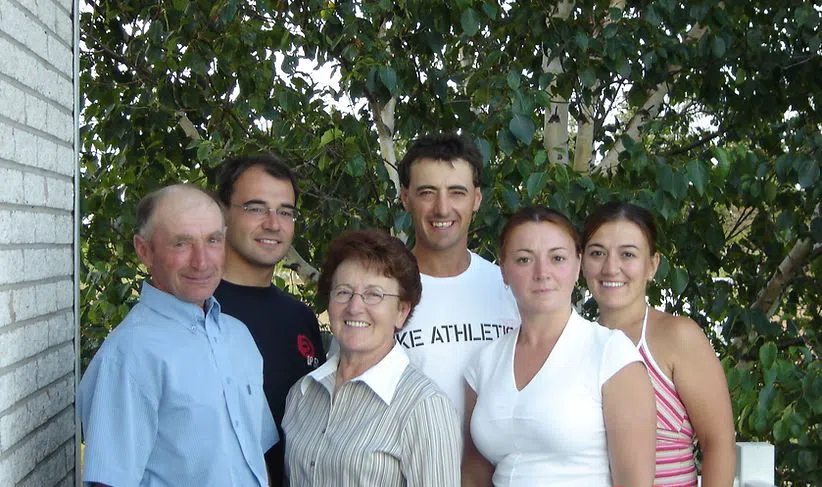
Ferme Onésime Pouliot (Saint-Laurent-de-l'Île-d'Orléans) is the most literal version of that story: seven generations working the same land, a u-pick operation, and a farm market selling what comes off the fields that week. U-picking runs about $5/L depending on the fruit, and the market's prices are modest. It's family-oriented and handles groups easily — this is the stop to bring kids or a mixed-age group, and in 2026 it's worth noting the raised-bed growing beds now in use, a small but visible adaptation to the island's short season and a reminder that farming here is still evolving rather than preserved in amber. Come in strawberry season and you'll see the same berries on menus in Old Quebec within a day or two — the supply chain really is that short.
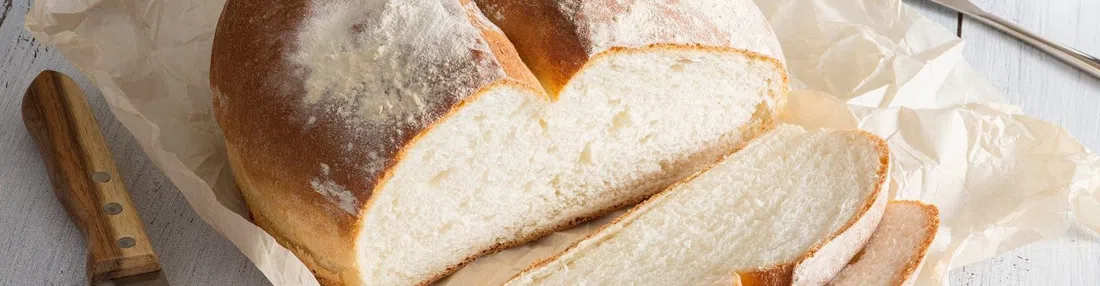
Boulangerie Blouin (Sainte-Famille) is a genuine multi-generational bakery on the Chemin Royal, the road that circles the island and threads every village on it. There's no seating for large groups — it's a walk-in shop, buy-and-go — but small groups are fine, and it's the one stop on this list where you can put a euro or two of local bread in your hand and taste, directly, what the island still makes the old way.
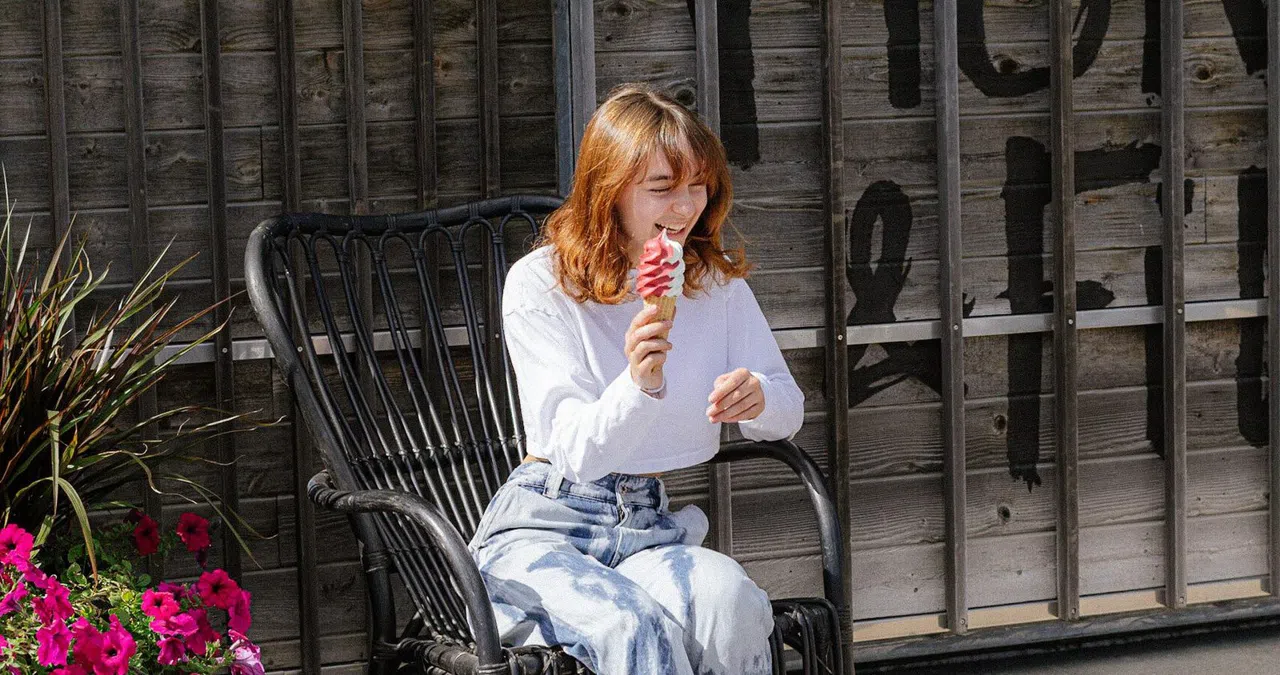
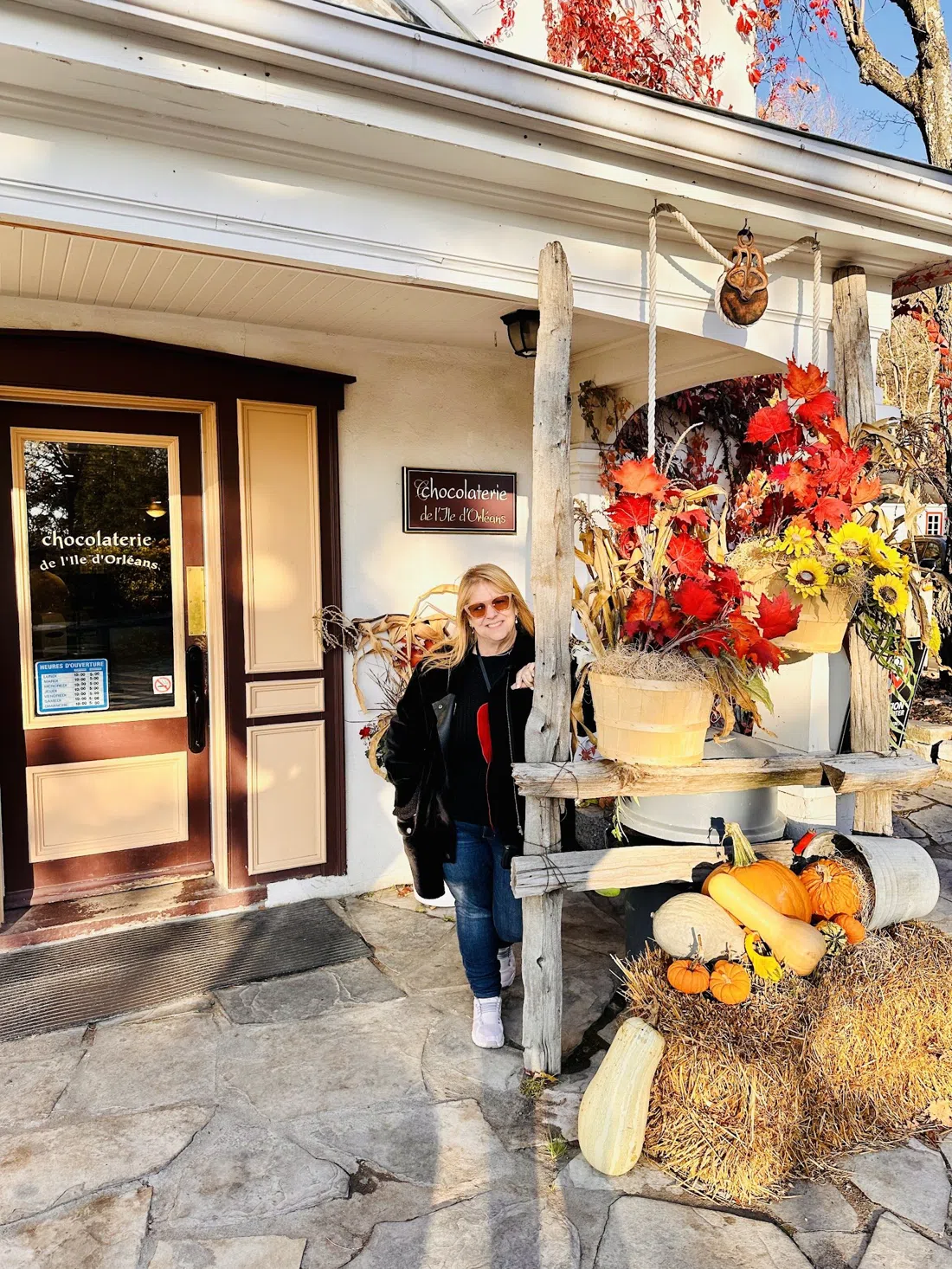
Chocolaterie de l'Île d'Orléans (Sainte-Pétronille) sells chocolates and ice cream by the piece or scoop out of a genuine two-century-old farmhouse — which quietly ties the food story to the architecture story before you've even reached the historic houses proper. It's a walk-in shop that absorbs coach-tour stops easily, making it a sensible pairing with Vignoble Sainte-Pétronille just up the road.
Two tables worth booking ahead
If you're building a full day around the island rather than a quick loop, these are the two places to eat properly.
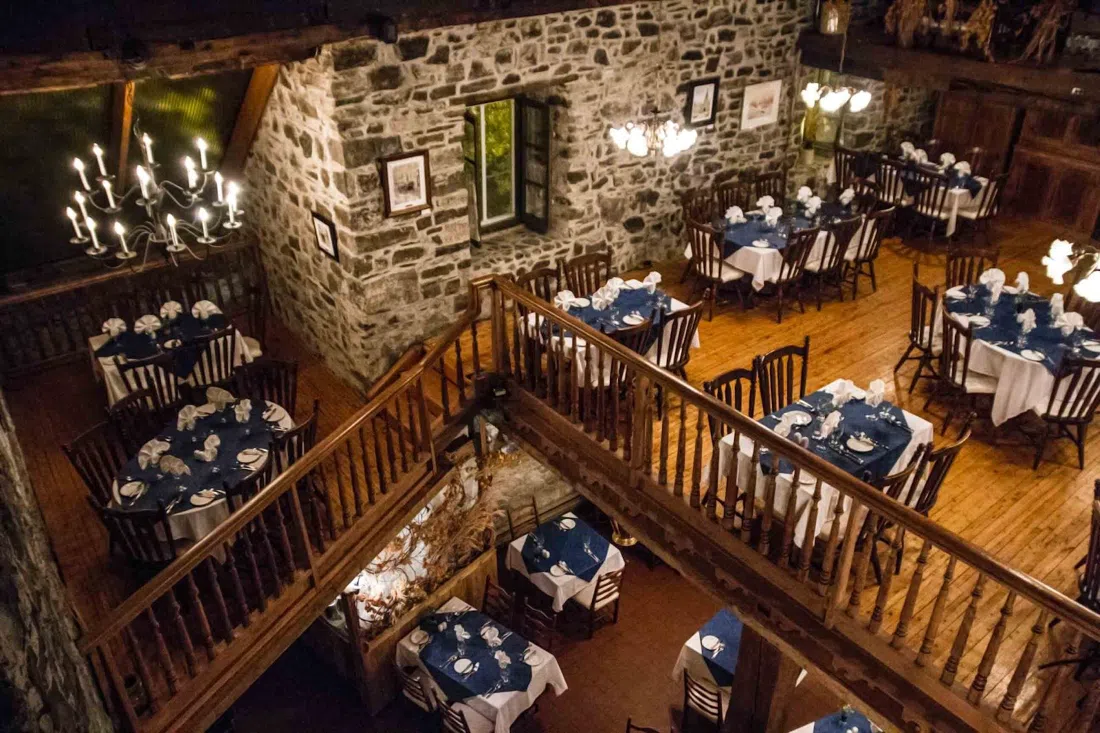
Le Moulin de St-Laurent (Saint-Laurent-de-l'Île-d'Orléans) is a working 1720 mill turned restaurant, and the building does most of the talking before the food arrives — stone walls, the old millrace, the kind of room that makes the "300-year-old" framing tangible rather than promotional. Chef Alexandra Gagné runs a tasting-driven menu built directly off the island's farms, and both the terrace and dining room scale for private events and groups, though $$$ pricing and the tasting format mean this suits a couple or a planned group dinner more than a casual drop-in. In warmer months the terrace sits right beside the old millstream, which is worth asking for specifically when you book.
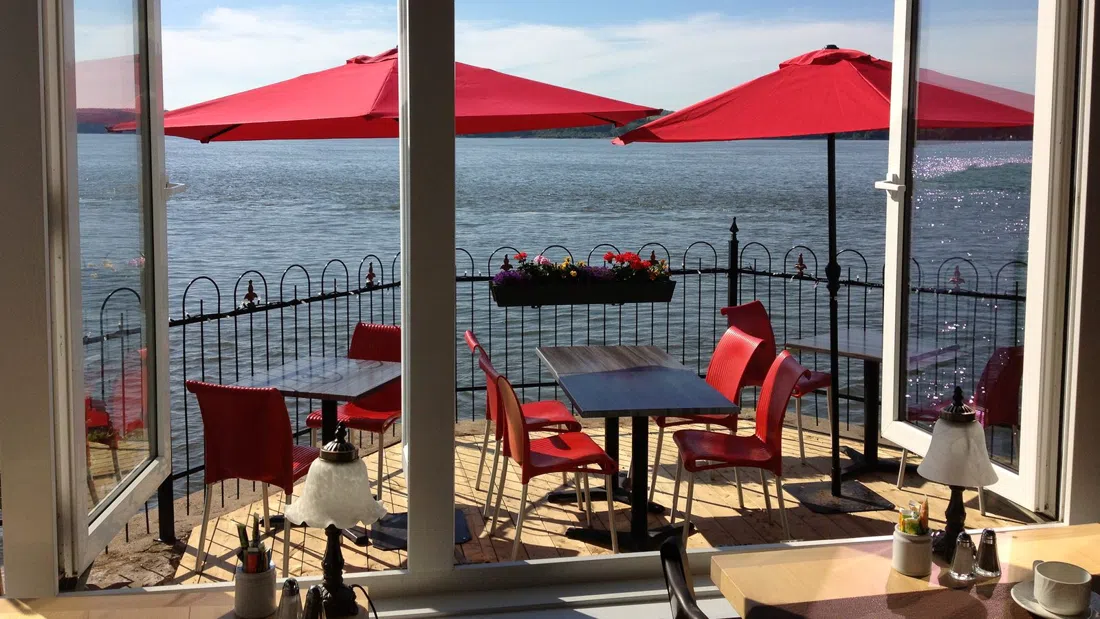
Auberge La Goéliche (Sainte-Pétronille) closes the loop with the best sunset river view on the island — a riverside inn with a dining room and terrace looking straight down the St. Lawrence toward the city. Table d'hôte dinner runs $$$, both spaces take groups, and reservations are recommended for parties of any size, especially if you want a table for the sunset seating. It's a natural chapter-closer if you've spent the day on the cellars and orchards further east: end where the island points back at the city that eats what it grows.
Three centuries under one roof
This is where the "New France" half of the brief lives, and it's worth taking seriously rather than rushing.
Maison Drouin (Sainte-Famille) is the single most authentic farmhouse on the island — built in 1729-30 and barely modernized since. There's no restoration gloss here: low ceilings, original hearths, the actual proportions a family lived in three centuries ago, right down to how little space they had for how many people. Visits run as small guided groups; the house's scale genuinely doesn't suit large coach parties, so this is a stop for couples, families, or small groups rather than a big tour. Admission is modest, but it's seasonal — open June through October only, so it won't be available if you're visiting the island in the depths of the cider-and-ice-wine winter described above. If the New France framing is the reason you came, this is the one house on the island that earns it without needing a guide to tell you so.
Next door, Maison de nos Aïeux (Sainte-Famille) is a heritage and genealogy museum that fills in what Maison Drouin only implies — the settlement history and founding-family records of the parish. Guided tours suit mid-size groups better than the house museum does, and pairing the two back-to-back gives you both the texture of 1730s domestic life and the paper trail behind it, for modest admission.
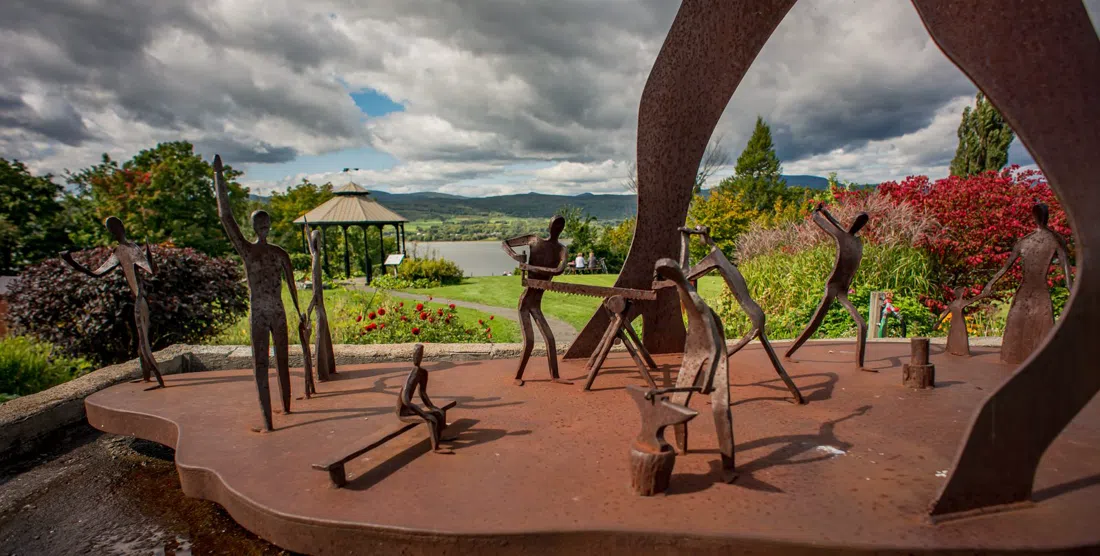
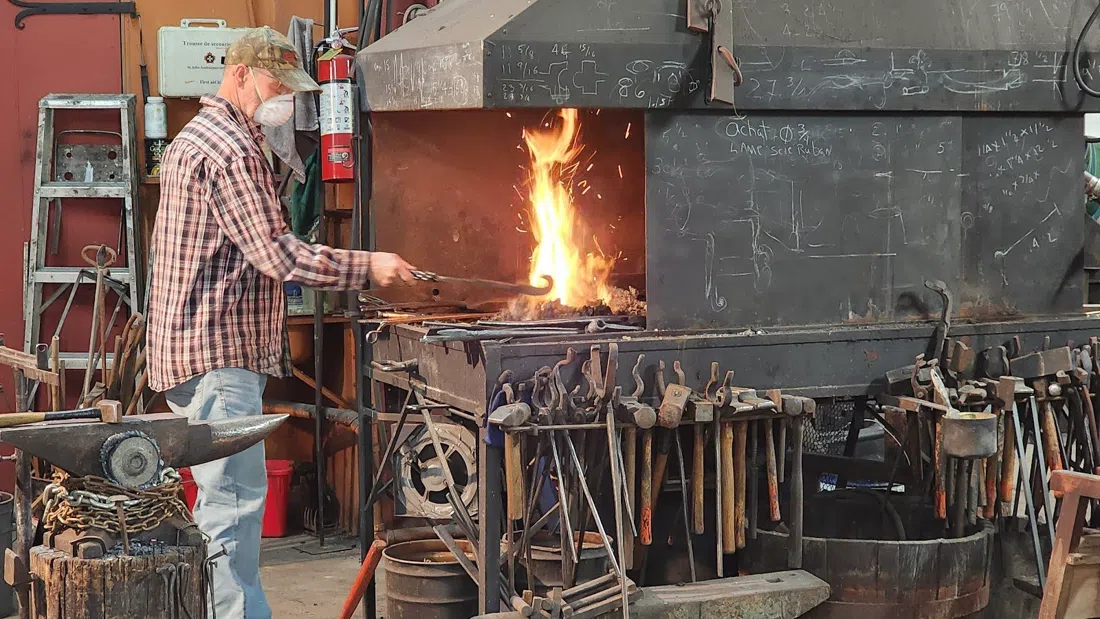
For craft heritage beyond food and farming, La Forge à Pique-Assaut (Saint-Laurent-de-l'Île-d'Orléans) is a working blacksmith économusée — a living workshop rather than a static display, with a short film shown in both French and English. School and tour groups are regularly booked in, so it handles crowds well; the self-guided visit is free or low-cost, with purchases separate.
Espace Félix-Leclerc (Saint-Pierre-de-l'Île-d'Orléans) is the cultural counterpoint to all the food and farm stops — a museum and performance venue dedicated to the island's most famous native son, the singer-songwriter Félix Leclerc. Groups are welcome and guided tours run on a fixed weekly schedule, but it's a summer-season operation only, admission is around $8 self-guided or $12 with a guide.
Getting there, timing it right, budgeting the day
Île d'Orléans has no public transit loop of its own — you need a car, a bicycle, or an organized tour. The bridge at Saint-Pierre is a straightforward twenty-minute drive from Old Quebec, and the Chemin Royal that circles the island (about 67 km end to end) makes navigation simple: pick a direction, stop where you like, and you'll pass most of these venues without backtracking. If you're staying in the city rather than on the island, a Quebec hotel search turns up options close enough to make this a half-day or full-day loop without an early start.
Most producers and shops take cards, but keep some cash for smaller stops, farm-market purchases, and u-pick fees, where a card machine isn't always at hand. Summer (June-October) is when the full roster is open — Maison Drouin and Espace Félix-Leclerc both operate on that seasonal window only — but winter has its own case to make, with the ice cider and ice wine harvests at Domaine Steinbach and Vignoble Isle de Bacchus giving you something the summer crowds don't see. Just be aware that winter also closes the seasonal museums and shortens daylight, so a cold-weather visit works best built around two or three cellar stops and a meal rather than a full circuit of the island.
Budget a half-day for a tight loop of two or three cellars plus a meal, or a full day if you want to add the historic houses and a proper dinner at Le Moulin de St-Laurent or Auberge La Goéliche — both worth booking ahead rather than chancing on the day. Groups and coach tours are welcome at most of the food and drink stops listed here, but the two historic houses, Maison Drouin especially, are built for small numbers, so split a large party if that's on your itinerary. Fill the tank before you cross the bridge — services thin out fast once you're on the island — and plan for a slower pace than the twenty-minute drive out suggests; nobody comes here to rush. For the wider context of what else the city itself offers before or after, the Quebec guide covers the rest of the trip.