A locally-written guide — where to stay, what to eat, and what not to miss.
The Phuket guide
An insider’s read on Phuket
Phuket is a complex, high-octane island that defies the simple label of a beach resort.
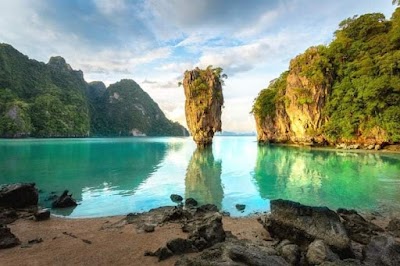
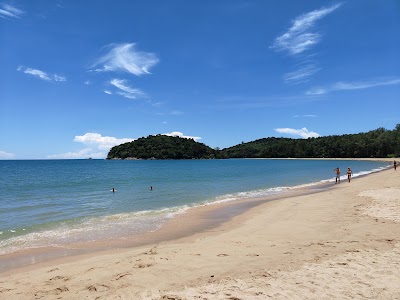
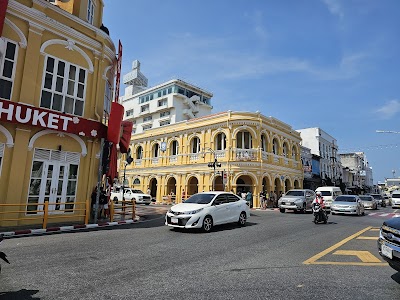
Phuket is a complex, high-octane island that defies the simple label of a beach resort. Beyond the white-sand coastlines lies a working province with a gritty mercantile soul, where the scent of roasting chilies and diesel exhaust hangs over the roads, and superyachts anchor off the same shores where local fishermen launch wooden longtail boats. It is a place of sharp contrasts, where centuries-old Sino-Portuguese heritage in the historic center clashes with the neon-drenched commercialism of the west coast.
Where to base yourself
The neighborhoods
Where you sleep shapes the trip. Here’s the honest orientation, area by area.
For Suits fitness enthusiasts, divers, and active travelers. The trade-off is the lack of swimmable beaches and heavy road traffic.
The island's main boating hub and administrative center, heavily focused on wellness, Muay Thai training, and diving.
Where to stayWellness resorts, Muay Thai camp accommodations, and budget-friendly hotels.
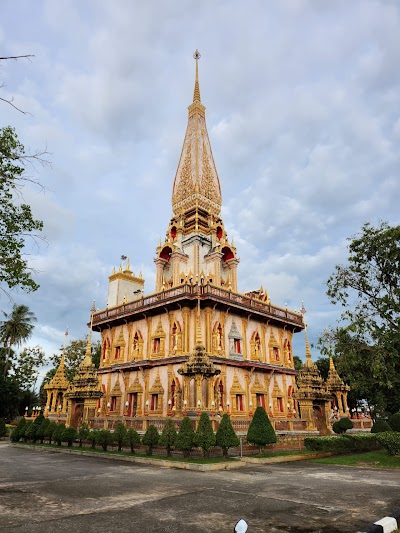
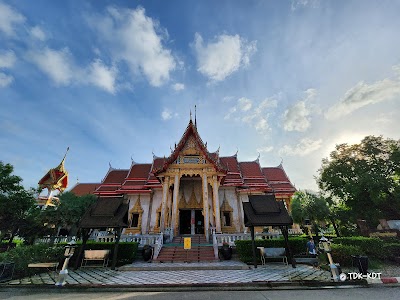
Wat Chalong temple
The Big Buddha
Soi Ta-iad fitness street
Eat & drink
Where to eat in Phuket
Real tables, by category — from seafood and grills to the budget classics locals actually queue for.
Seafood
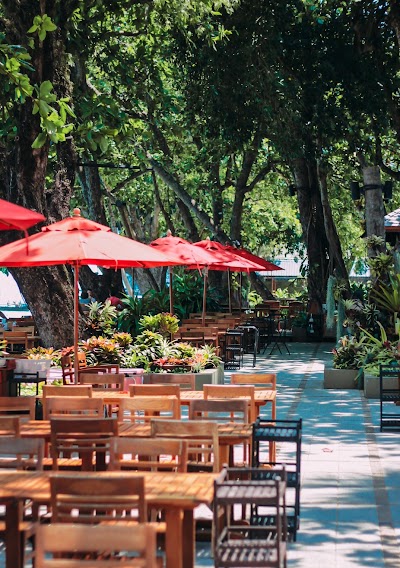
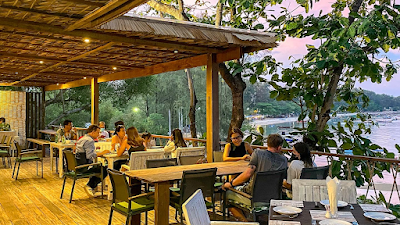
Phuket's seafood is defined by its freshness and fiery Southern Thai spice levels. Avoid the tourist-trap tanks on Patong beach; instead, head to the southern piers or rustic east coast mangrove spots.
These are affiliate links. We may earn a commission when you book — at no extra cost to you. Tours are sold and operated by our partner, who is the merchant of record.
What it costs
Budgeting
Phuket is the most expensive province in Thailand, but it remains highly affordable compared to Western destinations. Transport is the biggest budget killer.
Travel style
Per day
Backpacker
€30-50 (band)
Mid-range
€80-150 (band)
Luxury
€300+ (band)
Timing
When to visit
Phuket's climate is dictated by the monsoon winds, dividing the year into distinct wet and dry periods that dramatically affect sea conditions and prices.
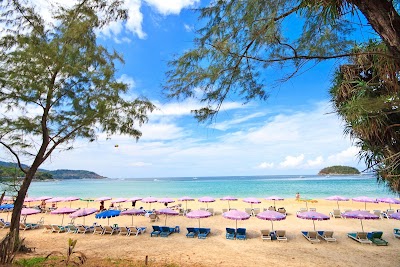
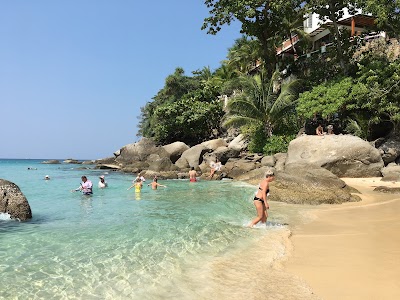
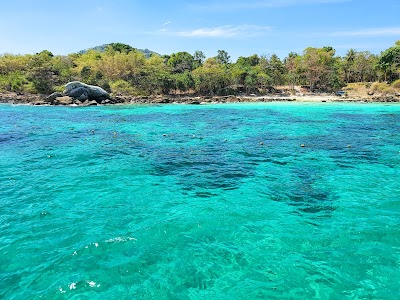
Dry Season (November to April)Characterized by calm, clear turquoise waters and blue skies. This is the peak period for diving and beach activities, though prices are at their highest and major beaches are heavily crowded.
Monsoon Season (May to October)Brings unpredictable downpours and rough seas with dangerous rip currents on the west coast. While swimming is often unsafe, this period offers lower accommodation rates and excellent waves for surfers in Kata.
Phuket International Airport (HKT) is located in the far north. Official airport buses run to Phuket Town, while shared minivans serve major beaches. Private transfers and metered taxis are available, though using ride-hailing apps like Grab or Bolt is highly recommended to secure fair, transparent pricing.
Public transit
Public transit is limited. Local blue wooden buses (Songthaews) run from Phuket Town to various beaches during daylight hours for a low flat fee. The Phuket Smart Bus runs along the west coast from the airport down to Rawai, offering a reliable but infrequent coastal link.
Passes & tickets
No unified transit pass exists. The Phuket Smart Bus offers a multi-day pass (approx. €€) bought directly on board, which is highly economical for coastal travelers.
On foot
Poor. Phuket is massive and mountainous. Sidewalks are rare outside of Phuket Town and the immediate beachfront strips of Patong or Kata. Walking between beaches is virtually impossible due to steep, winding coastal roads without pedestrian paths.
1
Download Grab and Bolt before arrival to compare ride prices and bypass the local taxi cartel.
2
Renting a scooter is popular but highly risky; ensure you have an International Driving Permit (IDP) with a motorcycle endorsement to avoid police fines and voided insurance.
3
Negotiate tuk-tuk fares strictly before getting in, as they do not use meters.
Travel smart
Safety & etiquette
Phuket is generally safe, but road accidents (especially scooter rentals) are the leading cause of injury. Be wary of jet ski scams on Patong beach, where operators demand large sums for pre-existing damage. Avoid swimming when red flags are flying on the west coast beaches due to dangerous rip currents.
Local etiquette
Dress modestly when visiting temples; shoulders and knees must be covered, and shoes must be removed before entering the main chapel.
Never touch anyone's head, as it is considered the most sacred part of the body.
Do not speak disrespectfully about the Thai Royal Family, as the country has strict Lèse-majesté laws.
From the ground
Practical tips
1
Buy a local SIM card at the airport or a convenience store for cheap, reliable mobile data to navigate and book rides.
2
Always carry cash in small denominations (100 and 20 Baht notes) for street food and local transport.
3
Apply high-SPF sunscreen and mosquito repellent constantly; dengue fever is present on the island.
4
Look for the 'Thai Select' certification logo on restaurants for guaranteed authentic Thai flavors.
5
Respect the red flags on beaches; rip currents are incredibly strong and claim lives every year.
6
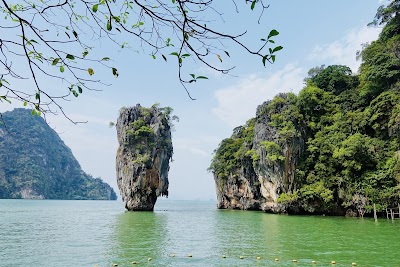
Book boat tours that depart early in the morning to arrive at major sights like Phang Nga Bay before the mass tour groups.
Book direct
Book a hotel in Phuket
Loading live availability and real-time prices…
Good to know
Phuket FAQs
Is the tap water safe to drink in Phuket?
No, do not drink tap water. Use bottled water for drinking and brushing teeth, which is cheap and widely available at convenience stores.
When is the best time to swim in the sea?
November to April offers calm, safe swimming conditions. During the monsoon season (May to October), strong rip currents make swimming highly dangerous on west coast beaches.
How do I avoid taxi scams?
Use ride-hailing apps like Grab or Bolt to secure fixed, fair prices. If using a local tuk-tuk, always agree on the price before starting the journey.
Do I need cash, or are credit cards widely accepted?
Cash is king for street food, markets, and taxis. Major hotels, upscale restaurants, and shopping malls accept credit cards, but a small surcharge may apply.
Is Phuket suitable for families?
Yes, beaches like Kata, Karon, and Kamala offer family-friendly resorts, calm waters in the dry season, and plenty of child-friendly activities.