Osaka guide
Shinsaibashi & Amerikamura, Osaka: where polished shopping meets neon grit
Two Osakas share one walkable grid here: the glass-roofed calm of Shinsaibashi-suji, and Amerikamura’s thrift racks, mural walls and late-night noise.
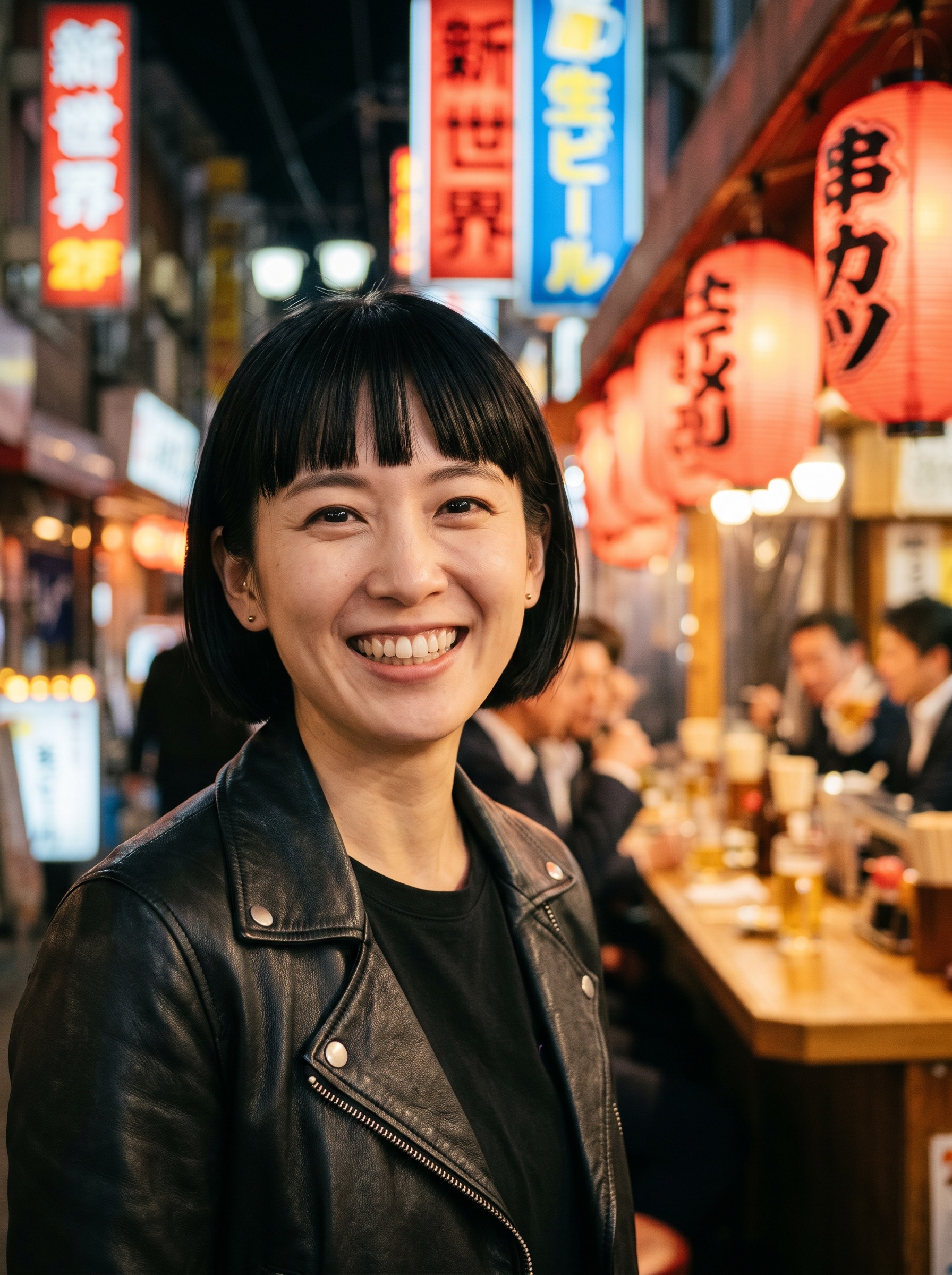 By Yui Morimoto

The first clue that this part of Osaka plays both sides is the smell: polished department-store air from Daimaru on one corner, then takoyaki smoke and fryer oil drifting up from Triangle Park on the next. Cross Midosuji Boulevard and the mood flips hard. One minute you’re under the glass roof of Shinsaibashi-suji, with shopping bags rustling past Onitsuka Tiger and Uniqlo; the next you’re in Amerikamura, where thrifted Levi’s, graffiti, record bins and a knock-off Statue of Liberty on a rooftop do the talking.
What Shinsaibashi & Amerikamura is known for
Shinsaibashi-suji is Osaka with its collar pressed. It runs for 600 metres, roughly 180 shops deep, and everything about it feels calibrated: clean lines, department-store hush, the soft shuffle of people carrying something expensive and something practical in the same hand. It’s one of the city’s great shopping arcades, a covered strip that lets you walk from Shinsaibashi Station down toward Namba without once checking the weather. The names are familiar — Onitsuka Tiger, Uniqlo, Zara, GU, Apple — but the pleasure is in the rhythm of it, the way the arcade keeps the city at arm’s length while still letting it hum through the glass.
Daimaru Shinsaibashi anchors the polished end of the story, and it does so with the confidence of a place that knows people are coming for more than clothes. Its basement food hall is worth the detour on its own, especially if you like the idea of carrying home a little luxury in a paper bag. This is where Osaka’s appetite gets its smart shoes on.

Then there’s the other Osaka, the one that doesn’t bother to iron its T-shirt. West of Midosuji, Amerikamura — Amemura if you’re under 30 or pretending to be — has been the city’s youth pressure valve since the late 1970s, when returning surfers started selling imported American clothes out of warehouse spaces. That origin story still hangs in the air. It’s why the district feels stitched together from thrift shops, sneaker drops, secondhand denim, cheap eats and bars tucked up stairwells. It’s not trying to be elegant. It’s trying to be awake.
At the centre of it all is Triangle Park, officially Sankaku Koen, a tiny wedge of paving that behaves like a public living room. Skaters roll through, buskers set up, takoyaki queues form, and Kuroda Seitaro’s 1983 Peace on Earth mural sprawls across the wall above them all like a bright, stubborn declaration. Nearby, the rooftop Statue of Liberty peeks down with a kind of comic seriousness. It’s a neighbourhood that understands the value of an inside joke.
Where to eat & drink
If you want the edible version of the neighbourhood, start at Triangle Park and follow the smell. Kougaryu has been frying takoyaki here for more than 40 years, and that kind of longevity matters in a district that changes its clothes constantly. The boxes come out crisp on the outside, molten inside, and the homemade egg-yolk mayonnaise gives them a rich, almost indecent finish. It’s Michelin-listed, yes, but the more useful fact is this: you can get a box from around 500 yen and eat it standing up like a proper Osaka local.

A few doors on, Ganso Ice Dog turns dessert into a small act of mischief. Ice cream stuffed into a deep-fried hot-dog bun sounds like a dare until you see everyone else doing it, matcha and chocolate among the flavours, all of it landing at about 500 yen. It’s the kind of snack that exists partly for the photo and partly because Osaka likes to ask why not. In a city that takes food seriously, this is the wink.
When you want to sit down and let the sugar settle, COLONY by EQI on Ocean Drive is the late-opening answer. Soufflé-style pancakes, parfaits and a very long drinks list give it a different tempo from the street-food grind outside. It’s one of those places where the night can stretch without asking you to choose between dessert and another round.
Across the arcade, the tone shifts again. Shinsaibashi-suji opens into a more expensive appetite: yakiniku counters serving rare cuts of Japanese black beef, Edomae sushi bars, kaiseki, teppanyaki, and the dependable pull of Daimaru Shinsaibashi’s basement gourmet hall for takeaway and sweets. That contrast is the point. You can graze Amemura on pocket change, then walk five minutes and book a serious meal, or do the reverse and end up in an izakaya somewhere between the two, nursing a highball while the ice cracks in the glass.
Going out
Amemura is where Osaka goes when it wants the night to keep its shoes on. The best bars here hide up stairwells and on upper floors, which feels right for a district that likes to make you work a little for the good stuff. Bar Nayuta, five floors up near Triangle Park, is the connoisseur’s move: no menu, house-made infusions and bitters, and a bartender who builds a cocktail around whatever mood you bring in with you. It runs roughly from 5pm to 3am, which is about right for a place where the conversation matters as much as the drink.

If you want the evening to get louder, Mustang is a rock-and-roll dive on a busy corner with signed bras on the walls, the sort of place that looks like it’s been collecting stories in the plaster. Rock Rock, meanwhile, is a long-running Shinsaibashi institution plastered in memorabilia, and on weekends it tips all the way into club mode. Good Times brings reggae, rum and whisky; RBCB, or Rock Bar Cherry Bomb, goes five floors up for craft beer, homemade pizza and Taco Tuesdays; Moonshine is the international karaoke-and-hot-dogs crowd-pleaser; Ghost handles hip-hop and R&B with a proper sound-and-light rig.
That’s the thing about this district after dark: the venues stack vertically, and the noise keeps climbing with them. You don’t need a plan so much as a pair of decent shoes and a tolerance for being pulled one floor higher than you expected. The whole grid is walkable, bar-hopping by design, and the cheap cover charges often include a drink, which is the sort of Osaka generosity nobody brags about because it’s too normal.
For live music, Big Cat inside Big Step is the anchor. Around 850 capacity, it hosts touring and emerging acts, and it gives the district a pulse beyond the bars. You can arrive for a record-shop afternoon and still end up in a livehouse by midnight without ever leaving the neighbourhood.
Things to do / what to see
Start where Amemura starts to make sense: Triangle Park. Sit on the steps, watch the skaters and buskers, and let the district perform itself around you. The Peace on Earth mural by Kuroda Seitaro spreads above the scene, and the rooftop Statue of Liberty keeps watch with that slightly absurd, completely fitting Osaka confidence. It isn’t a grand park. It’s a stage.

From there, walk. Big Step is worth cutting through not because it is a destination in the grand sense, but because it folds fashion, food, a cinema and Big Cat into one building. That kind of density is the neighbourhood’s real trick: you can move from a shop to a screen to a live set without ever feeling like you’ve changed districts.
The backstreets are the sightseeing. Graffiti, hand-painted shutters, pop-up sneaker drops, secondhand storefronts with denim hanging in the window like a dare — this is where the area’s personality lives when it isn’t posing for the main road. Record diggers should budget time, not just a quick browse. King Kong Records has been an Amemura fixture since the late 1970s and holds a 50,000-strong stock, strong on club, hip-hop and rock. Time Bomb Records is the place for rockabilly, rock-and-roll and punk rarities, including first pressings. Groovenut Records speaks to the DJs: soul, funk, jazz and disco.
{{ATTRACTIONS}}
And then, because Osaka never lets a neighbourhood stay in one lane, Dotonbori is only a five-minute walk east. The canal, the Glico running man and the city’s most famous street-food stretch are close enough that Shinsaibashi and Amerikamura often function as the warm-up act. That’s not a slight. It’s a compliment. This area is a launchpad as much as a destination.
Shopping
If you came for shopping, this is the part of town that will test your bag space. Amerikamura is one of Japan’s densest vintage districts, and the numbers show up in the racks: hundreds of secondhand and streetwear shops packed west of Midosuji, often cheaper than Tokyo and often far more fun than the polished chain-store streets nearby. The joy here is in the hunt. You don’t come for a neat edit; you come for the possibility that the next hanger might be the one.
JAM is the heavyweight, with a Shinsaibashi floor topping 13,000 items and a strong line in 80s and 90s military, work, sport and outdoor pieces. There’s also a second branch under Big Step, which tells you something about the scale of the place. Pigsty, on Osakaya Shinsaibashi West Building, stocks 3,000-plus pieces ranging from everyday vintage to rarer finds, shipped monthly from its own US warehouse. Kinji runs several shops around Amemura for cheap-and-cheerful secondhand. SPINNS does trend-led thrift at low prices. Flamingo and VANCY cover retro sportswear, band tees and the kind of graphics that make you stop dead in the doorway.

Back under the arcade, Shinsaibashi-suji is the opposite kind of shopping, and it’s useful to have both in the same neighbourhood. Fast fashion, roughly 20 drugstore-cosmetics shops for the classic Japanese haul, department-store labels, souvenir wagashi at Daimaru — this is the reliable, polished side of the equation. Do Amemura for the dig; do the arcade for the certainty.
Where to stay in Shinsaibashi & Amerikamura
Staying here means living at the centre of Osaka’s busiest little knot of streets. Shopping is downstairs, nightlife is around the corner, and Dotonbori is five to ten minutes away on foot. That convenience comes with a price: the area is lively, and it stays that way late. Higashi-Shinsaibashi, east of the arcade, has the thickest concentration of bars and clubs, so it suits night owls and punishes light sleepers. If you want the same walkability with a little less racket, look a block or two off the noisiest drags — near the quieter northern end of the arcade or on the Honmachi side.
Expect a broad mid-range spread of business hotels and design-led properties, with occasional splurges. Book ahead for weekends and Japanese holidays, when the whole Minami area fills up and the streets feel like they’ve all agreed to stay out one more hour.
{{HOTELS}}
Getting around
The hub is Shinsaibashi Station on the Osaka Metro Midosuji Line, plus the Nagahori Tsurumi-ryokuchi Line. Exit 5 or 6 puts you by Daimaru and the arcade; Exit 7 or 8, and you cross Midosuji west for Amerikamura and Triangle Park in about three to five minutes. Namba Station is one stop south and reachable on foot straight down the covered arcade in about 10 minutes, which also puts you near the Nankai line for Kansai International Airport in roughly 45 minutes by rapid train.
This is a walk-everything district. Dotonbori, Namba and most of Minami are within 10 to 15 minutes on foot, so once you’re here you may barely touch a train at all. Umeda is about 10 minutes north on the Midosuji Line if you want the other half of the city, but the honest appeal of Shinsaibashi and Amerikamura is that you don’t have to go anywhere else unless you feel like it.
FAQs
Is Shinsaibashi a good area to stay in Osaka?
Yes, especially for a first trip or a shopping-and-nightlife trip. You can walk to Dotonbori, Namba and Amerikamura, with the Midosuji metro line right there and Kansai Airport around 45 minutes away. The catch is noise: it’s central and lively, so choose a hotel a block off the busiest bar streets if you want to sleep.
What’s the difference between Shinsaibashi and Amerikamura?
They sit side by side, split by Midosuji Boulevard. Shinsaibashi-suji is the polished covered shopping arcade with department stores like Daimaru and global brands. Amerikamura, just west, is the younger, alternative half — vintage and streetwear shops, record stores, street art, Triangle Park and the late-night bar and club scene.
Is Amerikamura worth visiting?
If you’re into vintage clothing, streetwear, records or people-watching, absolutely. It’s one of Japan’s biggest secondhand-fashion districts and often cheaper than Tokyo, and Triangle Park with the Peace on Earth mural and rooftop Statue of Liberty is a fun, free landmark. Midweek is calmer; weekends get busy.
Can you walk from Shinsaibashi to Dotonbori?
Yes — very easily. Dotonbori is about a five- to ten-minute walk away, which is why this area works so well as a base for eating, shopping and late nights without spending your whole trip underground.