Osaka guide
Fukushima, Osaka: the neighbourhood where locals go to eat and drink
One stop west of Osaka Station, Fukushima swaps Umeda’s gloss for tiny counters, serious ramen, and late-night standing bars that feel gloriously local.
 By Yui Morimoto

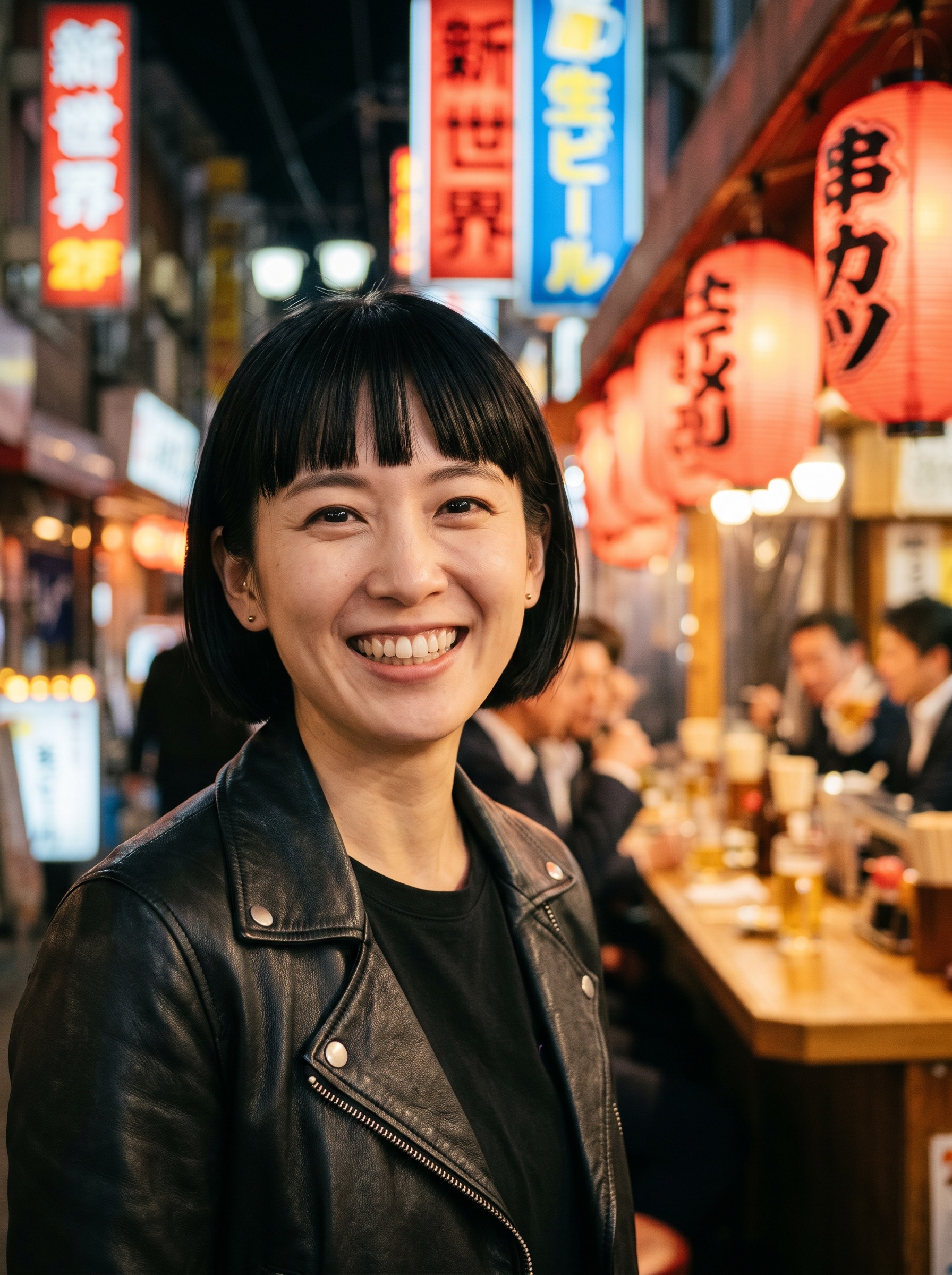
The first thing you notice in Fukushima is not a landmark, but a queue. Midday, a line forms outside Moeyo Mensuke on a street one minute from JR Fukushima Station, and nobody seems surprised by it. Salarymen hover with the patience of people who know the bowl is worth the wait. By night, the same neighbourhood tightens into a different kind of line: shoulders at the counter, elbows at a standing bar, the quick flash of a highball glass, the clatter of yakitori over the low rumble of the Loop Line overhead. This is Osaka without the costume. No giant crab signs. No barkers. Just a dense little grid of places that exist because locals actually use them.
Fukushima sits one stop west of Osaka Station, and that single stop changes the whole mood. Umeda can feel like a machine built for moving people through department stores and underground corridors; Fukushima feels like the place you land when you want to eat, drink, and get on with it. The ward is residential and office-heavy, which is exactly why the food is so good. The counters here are small, the menus are narrow, and the standards are high because the customers are repeat customers. You come for the bowl or the glass, not the spectacle. Then you stay because the room is full and the room feels right.
What Fukushima is known for
Fukushima’s reputation rests on a very Osaka idea: serious food, no fuss, no theatre unless the grill counts as theatre. It is a neighbourhood built for eating like a local, one stop from the city’s main station, and that proximity keeps the prices honest and the kitchens sharp. The rhythm is simple. Lunch belongs to ramen. Early evening belongs to a first drink. Later, if you have any sense, you keep moving.
The area makes most sense as three overlapping strips. Around the station front, the bars are newer and a little glossier. Josse Shindo is the old soul: a narrow Showa-retro alley near JR Fukushima Station, packed with standing bars and izakayas that have been pouring for decades. And then there is Fukumaru Dori 57, under the elevated JR Osaka Loop Line tracks about three minutes from the station, where lanterns hang over izakayas, craft-beer counters, and terrace seating with a faint Spanish-bar swagger. The whole district feels compact enough to read on foot, but layered enough that you can spend a whole evening hopping between moods.
Fukushima is also a ramen ward, and not in the casual, “there are a few good shops around” sense. Several places here land repeatedly on Osaka’s Tabelog Top 100 ramen lists, which is why people cross the city for lunch and then pretend they were “just nearby.” The through-line is scale: tiny counters, short menus, deep specialism, no room for dead weight.

Where to eat & drink
Start with Moeyo Mensuke, because the neighbourhood practically insists on it. The shop’s Kishu duck-and-shellfish kamo soba is the bowl people travel for: a clean, silky broth, thin noodles, and the kind of precision that keeps it on Osaka’s Tabelog 100 ramen lists. It opens for lunch and dinner Tuesday to Sunday and closes Mondays, which is useful knowledge when you are standing in front of the door feeling hungry and optimistic. Go early. The queue is real, and in Fukushima that is usually the first sign you are in the right place.
A short walk away, Ramen Jinsei JET takes a different approach and lands in a different register. Here the broth is chicken, simmered for the better part of a day until it turns clear and deeply savoury, with chewy house noodles carrying the weight. The tori paitan-style chicken bowls are the obvious order, but the tsukemen and abura soba are not bit parts. This is the sort of shop that makes you understand why people in Osaka will happily build a lunch plan around one noodle bowl and call it a day.
Then there is Hanakujira Honten, the oden house that feels like a small mercy at the centre of the neighbourhood. It is a beloved, ultra-casual place with a delicate dashi and a former Michelin Bib Gourmand pedigree, which sounds fancier than it feels in the room. Daikon, egg, tsukune — the usual cast — all drift through a broth that tastes light but not thin, like someone has spent years learning how to keep things simple without making them dull. It opens from late afternoon into the night, seven days a week, which is exactly the kind of schedule that turns a quick stop into a second drink.

Drinking in Fukushima is a standing sport, and Ponshuya Santoku Rokumi is one of the neighbourhood’s best arguments for it. The neon “36” sign is the beacon, and the room beyond it is a standing sake bar with around 32 rotating brews and small plates like grilled miso and one-shot sukiyaki. It made Tabelog’s sake-bar 100 list, which is the sort of detail that matters less than the fact that the place feels alive the moment you step in. You do not come here to sit back and contemplate. You come to stand shoulder-to-shoulder, sip something cold, and decide whether one more glass is a good idea. It usually is.
Sake Bar Fukushima Switch takes a slightly different tack. Housed in a renovated townhouse two minutes from the station, it keeps a more curated regional sake list and pairs it with charcoal-grilled Chiran chicken. The effect is calmer, more deliberate, a little less shouty than some of the standing-bar energy around it. That is part of Fukushima’s charm: you can move from lively and messy to quiet and exact without leaving the same few blocks.
For a different kind of drink, Buff on Fukumaru Street is built for the after-work drop-in. It is a meat-and-natural-wine standing bar, with hearty steak plates and an all-you-can-drink wine deal that tells you exactly what kind of evening it expects you to have. It is not trying to be precious. It is trying to get you fed, get you poured, and keep the conversation moving.

Going out
Nightlife in Fukushima is not about a big reveal. It is about drift. The local ritual is hashigo-zake — ladder drinking — which means one or two glasses at a stop, then on to the next. That is the point. You do not plant yourself in one room and wait for the night to happen to you. You work it, one counter at a time.
The engine of that crawl is the tachinomi, the standing bar. Stand at the counter, order sake or a highball and a couple of small plates, settle up, move on. It is cheap, quick, sociable, and gloriously unselfconscious. Nobody is here to pose. Nobody is here to be seen posing. If you want a neighbourhood that rewards curiosity and punishes indecision, this is it. The best counters are tiny, often seating under a dozen, and they fill fast. If one is full, you do not sulk. You keep walking.
Josse Shindo is the atmospheric heart of the crawl. It is cramped, old, and run by people who have been doing this a long time. The alley has that unmistakable Showa-era feel: a little worn, a little smoky in spirit if not in fact, and full of rooms that seem to know exactly what they are. Fukumaru Dori 57, by contrast, is the design-forward version of the same instinct, lantern-lit under the Loop Line tracks with izakayas, craft-beer counters, and terrace tables that let you carry a drink from one stop to the next. The station-front streets are newer and slightly slicker, with natural-wine bars and cocktail rooms mixed in, but the underlying rhythm stays the same: small room, quick pour, next stop.
The scene is at its liveliest on weeknights around 8 to 10pm, when the after-work crowd is out and the alleyways feel full but not frantic. It winds down earlier than club districts elsewhere in Osaka, which is part of why it still feels grown-up. You come here for a good night, not a long one.

Things to do / what to see
Fukushima is short on blockbuster sights, and that is not a defect so much as a clue. This is a neighbourhood that understands its job. Still, there are a few places worth stepping away from the counter for.
The one genuine cultural anchor is Fukushima Tenmangu, a quiet Shinto shrine dedicated to the scholar-deity Sugawara no Michizane. Tradition says he paused here on his exile south to Dazaifu around 901 AD, which gives the place a little more depth than the average stop on a food crawl. It is smaller and far less crowded than Osaka Tenmangu, free to enter, and open roughly 6am to 6pm. It is also only about two minutes on foot from Shin-Fukushima or Hanshin Fukushima stations, or five from the JR Loop Line stop, which makes it an easy breather before lunch or after a late night.
The strangest landmark in the ward is the Gate Tower Building, a 16-storey office block with an expressway ramp running clean through floors five to seven. Osaka’s engineers have always had a flair for the improbable, but this one still makes you stop and grin. The road is held up by its own supports so it never touches the building, and the lift skips from floor four straight to eight. It is an office block, so you admire it from the street, but as urban oddities go, it is pure Osaka: practical, absurd, and somehow efficient.
After that, the best thing to do is wander. Fukushima Shopping Street is a retro shotengai with a UFO-shaped neon sign and a small local following, the kind of place that rewards an aimless hour more than a checklist. Drift through it, then peel off into the alleys and let the counters pull you back in.
{{ATTRACTIONS}}

Shopping
Shopping in Fukushima is not the point of the neighbourhood, which is exactly why the shopping that does exist feels pleasantly unforced. Fukushima Shopping Street is the place to wander if you want a shotengai without the polished commercial sheen. Its UFO-shaped neon sign gives it a slightly eccentric edge, and the whole strip has that low-key local following that tells you people still use it for daily life rather than destination retail. You are not here to bag a haul. You are here to drift, look up, and maybe buy something on the way to dinner.
There is a nice honesty to that. Fukushima does not perform consumption for visitors. It lets you see the ordinary city at work: groceries, snacks, a little neon, a few shopfronts, and then the evening rush of people headed for ramen or a standing glass of sake. That, more than any souvenir, is the neighbourhood’s real takeaway.
Where to stay in Fukushima
Fukushima is an underrated base because it gives you a rare Osaka bargain: immediate access to the city’s main transport hub without sleeping in the middle of its loudest tourist machinery. You are one stop from Osaka Station/Umeda on the JR Loop Line, but once you step off in Fukushima the mood softens. It is calmer, more residential, and vastly better for dinner than most places people book on instinct alone.
The most convenient pocket is the cluster right around JR Fukushima and Hanshin Fukushima stations, where you can drop your bags and be at a ramen counter or standing bar within five minutes. If you want to bar-hop hard, staying nearer Fukumaru Dori 57 or Josse Shindo puts you in the thick of the evening buzz. That is brilliant if you plan to make a night of it, less brilliant if you are a light sleeper and the sound of a late pour carries through thin walls. Quieter blocks toward Nakanoshima and the river, a short walk south, trade some food density for calm and are handy for the museum island and business district.
Expect mid-range pricing overall, generally friendlier than equivalent rooms in Umeda or Namba, with a mix of business hotels and a few smarter options.
{{HOTELS}}
Getting around
Fukushima is compact and flat, which is a blessing after a night of hashigo-zake. Almost everything worth doing sits within a ten-minute walk of the station cluster, and the neighbourhood’s transport mix is part of what makes it so useful. JR Fukushima on the Osaka Loop Line is one stop — about two to three minutes — from Osaka Station/Umeda. Hanshin Fukushima gives you a direct line toward Umeda and westward to Kobe-Sannomiya. Shin-Fukushima, on the JR Tozai Line, and the nearby Nakanoshima stop on the Keihan Nakanoshima Line add coverage toward Kyobashi, Nara and the riverfront.
For Dotonbori and Namba, the simplest move is to take the Loop Line to Osaka Station and change, or walk to Nishi-Umeda for the Yotsubashi subway line. Door to door, that is about 15 to 20 minutes. There is no direct airport train from Fukushima. For Kansai International, ride one stop to Osaka Station and connect to the Kansai Airport rapid or the Haruka Express; the trip takes roughly 70 to 80 minutes total. Itami is quickest via the Osaka Monorail after a short hop to Hotarugaike.
The thing to remember is that you will barely need transit once you are here. Fukushima is a walking-and-drinking neighbourhood. That is the whole joke and the whole pleasure.
FAQs
Is Fukushima a good area to stay in Osaka?
Yes, especially for return visitors and food-focused travellers. You are one stop — about 2 to 3 minutes — from Osaka Station/Umeda on the JR Loop Line, so the city’s main transport hub is right there, but you sleep in a quieter, more residential ward with excellent local dining and lower prices than Umeda or Namba. It suits solo travellers and couples more than big groups or families needing large rooms.
What is Fukushima in Osaka known for?
Eating and drinking like a local. It is a dense grid of small izakayas, standing sake and natural-wine bars, and destination-level ramen shops like Moeyo Mensuke and Ramen Jinsei JET just west of Umeda, without the tourist crowds. The classic move is bar-hopping Josse Shindo and Fukumaru Dori 57 under the train tracks, a glass or two at each stop.
How do I get from Fukushima to Dotonbori and the airport?
For Dotonbori/Namba, take the JR Loop Line one stop to Osaka Station and change, or walk to Nishi-Umeda for the Yotsubashi subway line; door to door is about 15 to 20 minutes. For Kansai International, there is no direct airport train: ride one stop to Osaka Station and connect to the Kansai Airport rapid or Haruka Express, roughly 70 to 80 minutes total.
What kind of traveller suits Fukushima best?
Food-first travellers, solo diners, couples, and anyone who likes standing bars, ramen, sake, natural wine, and low-key bar-hopping. It is less suited to big groups, club seekers, or families wanting large tables and early kid-friendly dinners.