New York guide
Upper West Side, New York: the city’s soft-spoken heavyweight
Between Central Park and the Hudson, the Upper West Side trades downtown noise for museums, brownstones, old-line appetites and a nightlife that knows when to go home.
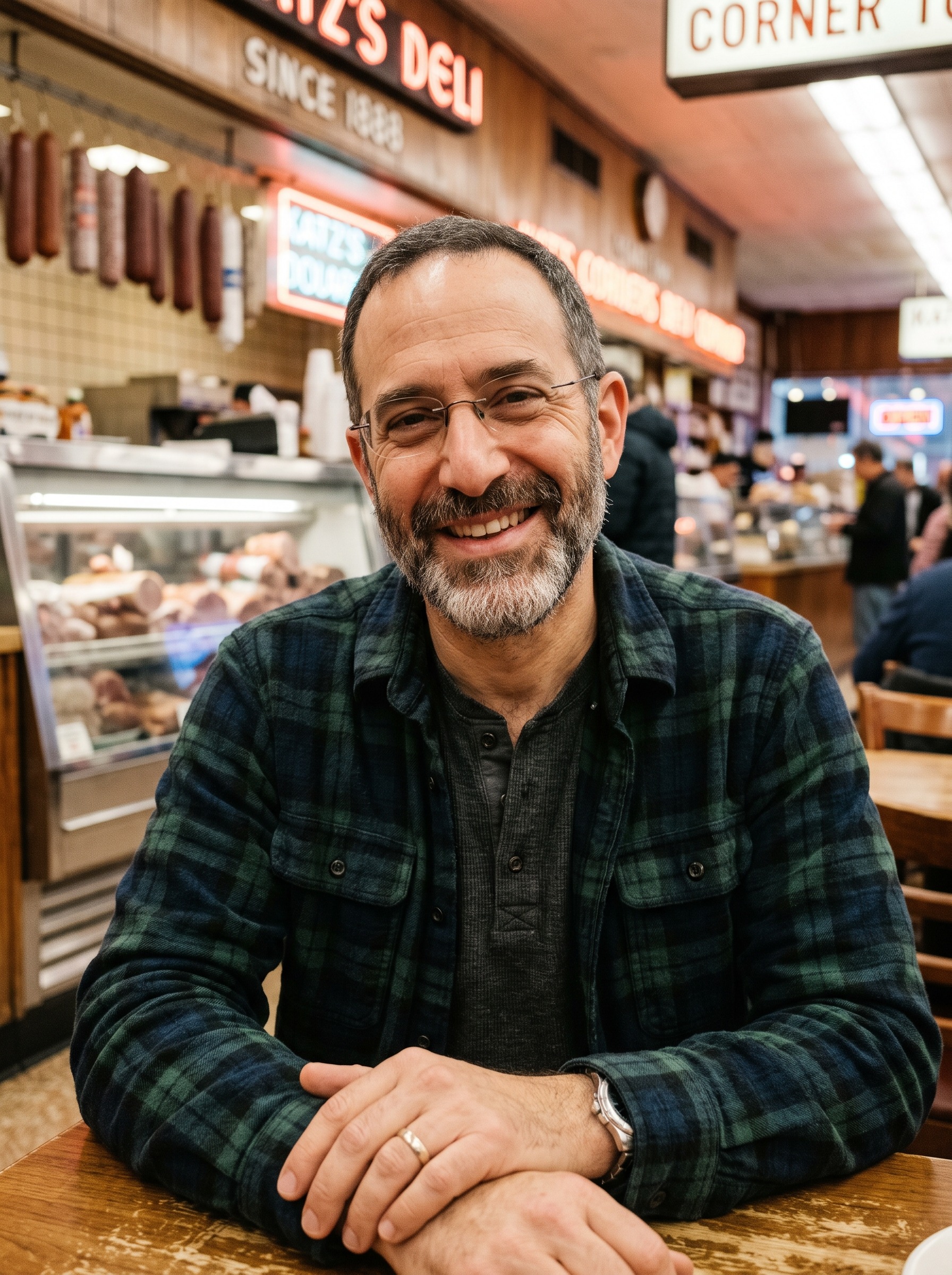

Two parks, three train lines and a smoked-fish counter that has been slicing sturgeon since 1908 — that’s the Upper West Side in one breath, and it’s already more New York than most neighbourhoods manage in a week. This is the stretch of Manhattan that runs from Columbus Circle up to 110th Street, with Central Park on one side and the Hudson on the other, and it has a way of making the city feel less like a sprint and more like a long, sensible walk with a paper bag in hand. The big-ticket names are all here — Lincoln Center, the American Museum of Natural History, the Beacon Theatre — but the real pleasure is how they sit among the brownstones, the gingko trees, the dog walkers, the old rents and the cafés that have been feeding the same families for decades.
What the Upper West Side is known for
The first thing you notice is the pace. Broadway is broad and busy, yes, but not frantic; it carries stroller traffic, retirees with Zabar’s bags, students with instrument cases, and the occasional busker setting up a cello outside the 72nd Street station. The side streets, by contrast, go quiet fast. Between Central Park West and Riverside Drive, the numbered blocks feel residential and settled, lined with limestone stoops and enough green to soften the edges. It’s a neighbourhood that still looks like it expects you to live here, not just pass through.
Lincoln Center gives the southern end its formal spine. The travertine plaza and central fountain are shared by the Metropolitan Opera, the New York Philharmonic in the rebuilt David Geffen Hall, the New York City Ballet and Juilliard. Even if you never buy a ticket, the place has a civic grandeur that’s worth standing in for a minute, just to watch the traffic of black coats, rehearsal bags and intermission faces spill across the square.

Twelve blocks north, the American Museum of Natural History is the kind of institution that can eat a day without apology. The dinosaur halls are the obvious lure, but the 94-foot blue whale in Milstein Hall of Ocean Life still lands the way good New York landmarks should: with a little awe and a little childhood memory. Then there’s the 2023 Gilder Center, all swooping lines and modern confidence, with its butterfly vivarium, insectarium and the immersive Invisible Worlds show. The whole thing sits like a second museum grafted onto the first, and it works.
The parks are the neighbourhood’s pressure valves. Central Park’s western flank runs the length of the area, and the 72nd Street entrance gets you to Strawberry Fields and the Imagine mosaic before you know it. On the other side, Riverside Park is the quieter pleasure: river views, running paths, and the houseboats moored at the 79th Street Boat Basin. One side gives you the city’s shared front yard; the other gives you a place to breathe.
Where to eat & drink
The Upper West Side eats like a neighbourhood that knows its own history and has the receipts to prove it. Start with Barney Greengrass on Amsterdam near 87th, the century-old Sturgeon King and one of those places where the weekend brunch crowd looks like it has been coming for three generations. Scrambled eggs with onions and smoked salmon is the move, and the room has the pleasant, slightly chaotic confidence of a shop that has never had to explain itself. It is cash-friendly, old-school, and still exactly the sort of place you want to be slightly early for.

Zabar’s, at 80th and Broadway, is less a store than a neighbourhood operating system. Lox, rugelach, coffee, a whole floor of kitchenware — it’s all there, and the place still feels like the Upper West Side’s pantry, commissary and gossip exchange rolled into one. You can come in for one thing and leave with smoked fish, a coffee, a loaf of something excellent and a whisk you didn’t know you needed.
For a more polished sit-down, Café Luxembourg at 200 W 70th has been holding down the classic French bistro lane since the 1980s, with red leather booths that make even a late lunch feel like you have somewhere to be after. Dagon, on Broadway, brings a pastel Mediterranean room and brisket shakshuka that reads like the neighbourhood’s newer appetite: cosmopolitan, but not trying too hard. Sala Thai on Amsterdam, from the Up Thai team, is where the room is a little more upscale than the strip around it, and Pig & Khao at 433 Amsterdam brings Thai-Filipino cooking with pork sisig and khao soi that can wake up a tired evening.
Then there’s Tatiana by Kwame Onwuachi inside Lincoln Center’s David Geffen Hall, the reservation everyone is talking about and the one you should book weeks ahead if you want in. The New York Times called it the city’s best restaurant, and while that sort of thing can get silly fast, the room earns its place by being ambitious without losing its nerve. It feels like a proper destination, which on this side of town is saying something.

For the opposite end of the spectrum, Gray’s Papaya at 72nd and Broadway is still the city’s great hot-dog counter, a 24-hour stop that has been feeding people since 1973. It’s the kind of place that reminds you New York is at its best when it refuses to overcomplicate lunch. Levain Bakery, at 167 W 74th, is the cookie pilgrimage, all six ounces of chocolate-chip-walnut gravity and a line that tends to tell its own story. And if you want the neighbourhood’s most inventive omakase, Sushi of Gari on Columbus is where the bill climbs with the ambition.
Going out
Nightlife on the Upper West Side is not trying to outshout downtown, and that’s part of its charm. This is a neighbourhood of wine bars, jazz rooms and post-theatre nightcaps, not clubs. The serious late-hours room is Smoke Jazz & Supper Club at 106th and Broadway, candlelit and acoustically right, with a calendar that books legends, modern masters and rising players nightly. In 2025, owners Paul Stache and Molly Sparrow Johnson expanded it into an adjacent lounge and added a Parisian-style sidewalk café, which feels exactly like the sort of practical elegance this part of town prefers. You come for the music, stay for the room, and leave remembering that some neighbourhoods still know how to listen.

For something lower-key, The Dead Poet near 81st is a narrow Irish bar with mahogany panelling, cheap draughts and writerly cocktails, the sort of place where the walls are doing half the talking. e’s Bar on Amsterdam is even easier to settle into: generous pours, wine and beer, and a Wednesday happy hour that makes it a reliable meet-up rather than a scene. But the truth is that most evenings here are shaped by the stage. A Philharmonic concert at David Geffen Hall, an opera at the Met, a ballet, or a Beacon Theatre bill — that’s the Upper West Side’s version of a night out. By 10 p.m., the sidewalks thin out and the neighbourhood starts heading for bed.
Things to do / what to see
If you only have one museum day, give it to the American Museum of Natural History and don’t pretend otherwise. The dinosaur halls are the classic move, but the museum’s real trick is how it keeps widening the net: the blue whale, the Rose Center planetarium, and the 2023 Gilder Center with its butterfly vivarium, insectarium and Invisible Worlds show. Book a timed entry online or you’ll spend your morning in a queue that can swallow an hour on weekends. This is one of those New York institutions that still feels like a rite of passage, whether you’re six or sixty.

Lincoln Center is worth seeing even without a ticket. The fountain plaza is free to wander, and if you can get rush or standing-room tickets to the Met Opera, Philharmonic or NYC Ballet, you’re doing the neighbourhood like a local with a little luck. The place has the kind of formal public life Manhattan doesn’t always remember to make room for anymore: people arriving early, people lingering after, people pretending not to be impressed and failing.
Central Park’s 72nd Street entrance gives you Strawberry Fields and the Imagine mosaic, then the walk down toward Bethesda Terrace and its fountain. It’s a familiar route, but familiarity is part of the point; the Upper West Side lives on repetition done well. On the Hudson side, Riverside Park is the quieter counterpoint, good for a run, a slow stroll or sunset near the 79th Street Boat Basin, where the water and houseboats make the city feel briefly unhurried.
Round it out with the Beacon Theatre on Broadway at 74th, a 1929 landmark that still knows how to host big-name music and comedy without losing its old bones. And if you’re here with kids, the playgrounds and seasonal Wollman-style ice options deeper in the park will take care of the rest.
{{ATTRACTIONS}}
Shopping
Shopping on the Upper West Side is less about big statements than about habits. Zabar’s is the anchor, and not just for food: the place is as much a two-floor emporium of cheese, coffee, smoked fish and improbably cheap kitchen gadgets upstairs as it is a grocer. You go in for groceries and come out with a better stocked life. That’s the trick.
Levain Bakery at 167 W 74th is another sort of ritual stop, the cookie pilgrimage that can feel almost comic until you bite into one and remember why people line up. There’s also a second Upper West Side branch near 77th and Amsterdam, which tells you everything about how deeply the neighbourhood has adopted the place.
Broadway and Amsterdam between the 70s and 90s do the everyday work: bookshops, wine stores, cheesemongers and the occasional weekend greenmarket. The numbered side streets are less about storefronts and more about the pleasure of walking — brownstone architecture, stoops, trees, the sense that the city has agreed to lower its voice for a few blocks. If you want the department-store circus, head south to Columbus Circle and Midtown. Up here, the luxury is simpler: bagels, babka, a pound of Nova, and a bench in the park.
Where to stay in the Upper West Side
Base yourself roughly between 70th and 86th Streets and you’re in the sweet spot: Central Park to the east, the museum a manageable walk north, Lincoln Center to the south and the express subway close enough to make the rest of Manhattan feel obedient. The Lucerne at 201 W 79th is a 1904 Beaux-Arts landmark with unusually spacious rooms and Nice Matin downstairs, a comfortable, traditional pick a block from the 1 train and two from the park. Hotel Beacon, at Broadway and 75th, sits right by the Beacon Theatre and is a family favourite for its large rooms and kitchenettes, which are rare enough in Manhattan to deserve a nod on their own.
Hotel Belleclaire and the Arthouse Hotel round out the mid-range options, and the general rule holds: closer to Central Park West means a quieter, more premium feel; closer to Broadway means you’re on top of restaurants and the subway. This is a calm place to sleep, which matters more than people admit, especially with kids or after a long travel day. Prices run mid-to-upper for Manhattan, so book ahead, particularly in autumn and around the holidays.
{{HOTELS}}
Getting around
The Upper West Side is flat, gridded and very walkable, which is half the reason it feels so livable. Most of what you want is within a 20-minute stroll, and the neighbourhood’s two subway trunks make the rest easy. The 1/2/3 runs under Broadway, with the major express stop at 72nd Street and locals up the west side; the A/B/C runs under Central Park West, with 72nd Street/Central Park West handy for the park and the museum’s 81st Street stop. From 72nd Street it’s about 10 minutes to Columbus Circle and Midtown, and around 20 to Times Square.
Crosstown buses like the M79 and M86 cut across the park to the Upper East Side and its museums. Cabs and ride-hail are easy to hail on Broadway and Amsterdam, but for anything north-south the train is usually faster. If you’re heading to the airports, budget 45 to 60 minutes to LaGuardia by taxi or car, and about an hour to JFK or Newark. The neighbourhood rewards walking, though; it’s one of the few places in Manhattan where the route between dinner, a show and a late drink can feel almost leisurely.
FAQs
Is the Upper West Side a good area to stay in New York?
Yes — especially for families, culture-first trips and repeat visitors. You get Central Park and Riverside Park on either side, the American Museum of Natural History and Lincoln Center within walking distance, good restaurants and easy express-subway access to Midtown, all in a calmer, more residential setting than downtown. The trade-off is a quieter nightlife scene and mid-to-upper hotel prices.
Is the Upper West Side safe?
It’s one of Manhattan’s safer, more family-oriented neighbourhoods, with well-lit streets and a strong residential feel. Use normal big-city caution late at night and stick to lit paths in the parks after dark, but by day and evening it feels very comfortable for solo travellers and families.
What is the Upper West Side best known for?
Its culture and its parks: Lincoln Center, the American Museum of Natural History and the Beacon Theatre sit between Central Park and Riverside Park. It’s also famous for old-school New York food institutions like Zabar’s, Barney Greengrass and Levain Bakery.
What kind of traveller suits the Upper West Side?
Families, museum lovers, opera and ballet fans, and anyone who wants a calmer Manhattan base with good food and easy transit. It’s less suited to late-night party travellers or people chasing downtown grit.