New Orleans guide
Faubourg Marigny, New Orleans: where Frenchmen Street still swings
A walkable, music-first New Orleans neighbourhood where Creole cottages, late-night jazz and a quieter kind of local life sit just beyond Bourbon Street's glare.
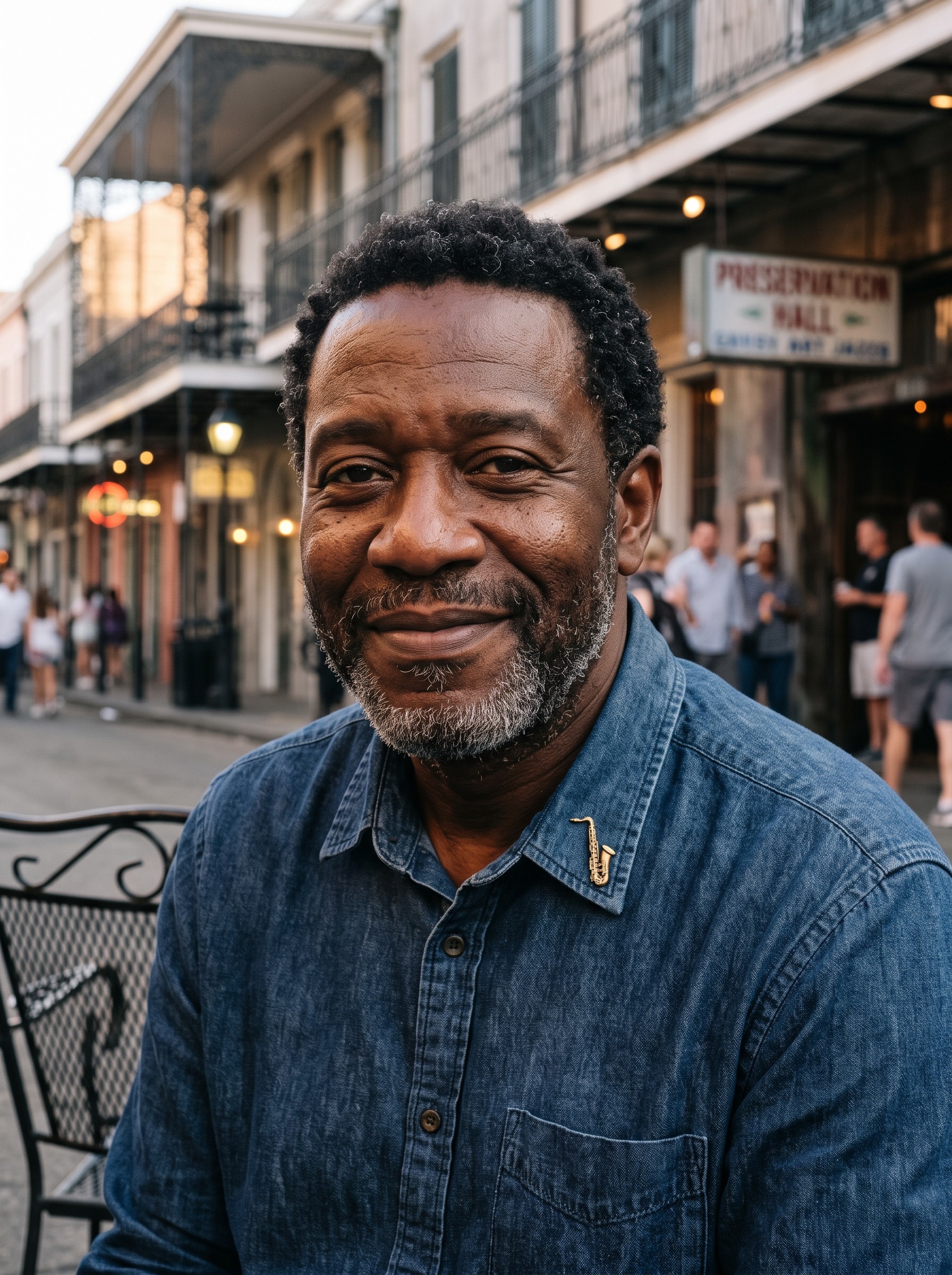

Cross Esplanade Avenue heading downriver and Bourbon Street's frozen-daiquiri roar drops away within a block. That little hush is the Marigny announcing itself: three blocks of Frenchmen Street where a trad-jazz quintet, a brass band and a Klezmer clarinet can all be competing for your attention at once, and then, one turn off the strip, the side streets go pastel and almost stubbornly quiet. This is a neighbourhood that knows how to hold both moods in the same hand. It gives you music, yes, but also porches, dogs, jasmine, and the low-slung Creole bones Bernard de Marigny drew up in the early 1800s. If Bourbon is the city in costume, the Marigny is the city after work, still in its good shirt, still talking back.
What the Faubourg Marigny is known for
The Marigny’s calling card is Frenchmen Street, and locals will say it with the kind of tone usually reserved for family gossip: a little pride, a little warning. On a normal weeknight, stand at Frenchmen and Chartres and you can hear one doorway throwing out trad jazz, the next brass, and somebody on the pavement making a violin sound like it has had a long day and is still ready for one more. That is the neighbourhood in miniature — concentrated, noisy, then suddenly residential again.

What gives the Marigny its texture, though, is not just the music. It is the architecture, the old grid, the way Bernard de Marigny carved the place out in the early 1800s and left behind rows of Creole cottages and shotgun houses that still sit shoulder to shoulder right up to the banquette. They come painted teal, ochre, coral, and other colours that look as though somebody chose them after a second cup of coffee and a very good idea. The neighbourhood feels lived in because it is lived in: dog-walkers, porch-sitters, a little bit of art-school energy, a little bit of old New Orleans, and a crowd that skews local, arty and LGBTQ-friendly without turning the whole thing into a slogan.
Washington Square Park is the quiet centre of that life, a small oak-shaded green between Royal and Dauphine where people picnic, drink coffee on a bench, or let the kids and dogs burn off the night before. It is not grand. That is the point. The Marigny does not need to perform its charm; it just keeps it in circulation.
Where to eat & drink
Frenchmen Street is where the neighbourhood feeds you between sets, which is exactly how New Orleans likes to operate when it is being honest. At Three Muses, 536 Frenchmen, the room is doing double duty — dinner and music together — and the perennial favourite is the Korean-style bulgogi. It is the sort of place that makes sense if you want to stay planted, order a plate, and let the band come to you. The reservation policy is loose enough to keep things human: larger parties only, so the rest of us wait like adults.

Upstairs above the Apple Barrel, Adolfo's at 611 Frenchmen is the opposite kind of theatre: tiny, cash-only, no reservations, and beloved for seafood in Ocean Sauce. It is the sort of room that rewards patience and punishes people who think a city should bend itself around their schedule. Arrive early or accept your fate in line. That is the deal. The Marigny Brasserie, 640 Frenchmen, goes more polished, with Creole cooking, cocktails and a Sunday drag brunch that gives the block a little extra swagger before the night sets in.
For late-night hunger, Dat Dog at 601 Frenchmen is the honest answer. Loaded sausages, including a crawfish-étouffée-topped one, and the kind of hours that understand what happens after the second set. You do not come here for restraint. You come because the music ran long and your stomach has started making its own requests.
A short walk off the strip, the neighbourhood turns up a quieter kind of excellence at The Elysian Bar inside Hotel Peter and Paul, 2317 Burgundy. It sits in a converted 19th-century rectory, and Rolling Stone named it the best hotel bar in the U.S. in its 2025 Travel Awards. Order the spicy, banana-tinged Mr. Follow Follow and a plate of vegetables the kitchen takes surprisingly seriously. That last part matters. Plenty of bars can pour a decent drink. Fewer can make you care about the vegetables.

Morning belongs to Ayu Bakehouse at 801 Frenchmen, a woman-owned bakery where the boudin croissant and kaya bun sell out and the whole operation is visible through the open kitchen. There is something pleasingly unpretentious about watching the work happen. No mystery, no velvet rope, just the smell of butter and the clock telling you to get there early. If you want a change of pace, Evviva at 2600 Dauphine does Mediterranean plates and a strong happy hour a few blocks off the strip. In a neighbourhood that can lean hard into music and late nights, that kind of daylight sanity counts for a lot.
Going out
This is the reason most people come, and the Marigny knows it. The best plan is simple: bar-hop the 500 and 600 blocks, follow your ears, and remember that cover charges are usually free to modest, so tip the band well. That part is not optional. Music in New Orleans is not wallpaper; it is work, and somebody is making it happen.
The Spotted Cat Music Club at 623 Frenchmen is the postcard version of the thing: cramped, cash-only, no-frills, with trad and gypsy jazz packed tight against the bar. Order the Cat Nip and stand shoulder to shoulder. You will not have much elbow room, but you will have the right kind of evening. Across the street, d.b.a. at 618 Frenchmen books the city’s heavier hitters in a living-room-sized room with a serious beer and whiskey list. It is one of those places where the sound feels bigger than the square footage, which is good club magic when it shows up.

The Blue Nile at 532 Frenchmen is the block’s elder statesman for funk, soul and brass, with bigger ticketed shows upstairs. Café Negril at 606 Frenchmen leans reggae, brass and R&B, while The Maison at 508 Frenchmen spreads jazz, funk and a weekly drag show across multiple floors. Bamboula's at 514 Frenchmen and the Apple Barrel at 609 Frenchmen fill in the gaps with local bands seven nights a week. That is the trick of Frenchmen Street: there is always another door, another set, another reason not to go home just yet.
If you want the room where everyone hushes and pays a real ticket, Snug Harbor Jazz Bistro at 626 Frenchmen is the one. It is a proper modern-jazz listening room in the Ellis Marsalis lineage, with seated 7:30 and 9:30 sets that sell out. That matters because not every night needs to be a shuffle and a shout. Sometimes you want to sit, listen, and let the horn do the talking.
Push a few blocks up St. Claude Avenue and the mood gets scruffier in a way some people prefer. Kajun's Pub at 2256 St. Claude is a 24-hour dive with karaoke seven nights a week, and The AllWays Lounge & Cabaret at 2240 St. Claude keeps things inclusive with burlesque, drag and variety acts. The Marigny bleeds into that St. Claude energy without losing itself; it just lets the edges get rougher.
Things to do
Daytime in the Marigny is for wandering, and the streets give you enough to do without asking for a schedule. Start on Royal or Dauphine from the French Quarter and let the architecture take the lead: Creole cottages, gingerbread shotguns, painted houses that seem to have been chosen by someone with a sense of humour and a good eye for shade. You do not need a map so much as time.
Washington Square Park, bounded by Royal, Dauphine, Frenchmen and Elysian Fields, is the neighbourhood’s soft pause button. It is shaded, useful, and exactly the sort of place where a coffee, a picnic, or a few minutes of dog-watching can reset the whole day. The park is not trying to impress you. It is trying to be handy, which is more valuable.

As the light drops, the Frenchmen Art Bazaar at 619 Frenchmen opens as an open-air night market of local art, jewellery, prints and handmade goods. It is a genuinely nice way to bridge the gap between dinner and the first set, which is a very New Orleans sentence if ever there was one. You browse, you drift, you maybe buy something from an artist who will be down the block again tomorrow. That is the rhythm.
Louisiana Music Factory on Frenchmen is the other essential stop, especially if you care about the city’s sound beyond the clubs. It is an independent record shop stacked with local vinyl and CDs, and it hosts free in-store performances. For music obsessives, that is not an accessory; that is a pilgrimage. The crawl itself is the activity here: catch an early trad-jazz set, browse the bazaar, eat, and follow the sound back out.
{{ATTRACTIONS}}
Shopping & markets
The Marigny is not a boutique-crawl neighbourhood in the Magazine Street sense, and that is part of its charm. Shopping here happens mostly along Frenchmen and after dark, with the Frenchmen Art Bazaar at 619 Frenchmen as the anchor. Dozens of local artists sell paintings, photography, jewellery, prints and handmade accessories in an open-air night market that opens in the evening and runs late alongside the clubs. It is less about acquisition than drift: you wander, you chat, you notice what people are making.
Louisiana Music Factory on Frenchmen is the other serious stop. It is an independent shop with deep Louisiana vinyl, CDs and regular free in-store performances, which is to say it does more than sell objects; it keeps the local music ecosystem breathing. Elsewhere, browsing tends to be incidental — a few galleries, quirky corner shops, the sort of places you notice between bars rather than plan a day around. If you want a bigger independent-retail scene, the neighbouring Bywater along St. Claude takes that baton.
Where to stay in the Faubourg Marigny
The Marigny is guesthouse and small-inn country rather than big-hotel territory, and that suits it. The standout is Hotel Peter and Paul on Burgundy Street, a converted church, school and rectory complex with the excellent Elysian Bar inside. It sets the tone for the area: atmospheric, a little bit reverent, and not pretending to be something it is not. Around it, you will find converted Creole-cottage guesthouses and B&Bs scattered through the quieter residential blocks.
The trade-off is simple. Stay directly on the 500 or 600 block of Frenchmen and you are steps from every club but hearing them until 2am. Stay a block or two in, around Chartres, Royal, Burgundy or over toward Washington Square, and you get the same ten-minute walk to the music with a far better night’s sleep. For most people, that is the smart play. The neighbourhood is compact enough that you do not need to sleep in the middle of the racket to feel close to it.
{{HOTELS}}
Getting around
Walking is the whole point. The French Quarter is a ten-to-fifteen-minute stroll away, just follow Royal or Dauphine downriver from Esplanade Avenue, and Frenchmen Street’s clubs are all within three blocks of each other. That means a night out rarely needs a car at all, which is good because the best nights here tend to unfold by accident.
For longer hops, the Rampart–St. Claude streetcar skirts the neighbourhood’s edge and connects to the Canal Street lines, with cash fare exact change only. The 55 Elysian Fields bus cuts through the Marigny toward the Quarter, Canal Street and the CBD, and the 5 Marigny–Bywater route runs deeper through the residential streets. The area is flat and very bikeable if you want to roll next door to the Bywater.
From Louis Armstrong International Airport, budget roughly 30–45 minutes by rideshare or taxi depending on traffic. There is no direct rail from the airport, which is one of those practical truths every New Orleans trip eventually learns for itself.
The Marigny works because it gives you the city in two registers at once. Up on Frenchmen, there is sound, light and the good kind of crowd. One block off, there are porches, dogs, and the smell of somebody’s jasmine. That is the whole trick, really: stay close enough to hear the music, far enough away to sleep, and let the neighbourhood do the rest.
FAQs
Is the Faubourg Marigny a good area to stay in New Orleans?
Yes, especially if music is your priority and you’ve been to New Orleans before. You get Frenchmen Street’s live-jazz clubs on your doorstep and the French Quarter a ten-minute walk away, with a quieter, more local feel than staying on Bourbon Street. The catch is that it’s mostly guesthouses and small inns rather than full-service hotels, and rooms right on Frenchmen can be loud at night — book a block or two off the strip for the best of both.
Is Frenchmen Street better than Bourbon Street?
For live music, most locals say yes. Frenchmen Street in the Marigny is a dense strip of real jazz, funk and brass clubs — The Spotted Cat, d.b.a., Blue Nile, Snug Harbor and more — where cover charges are usually small or free and the crowd is there to listen. Bourbon Street is more about big drinks, cover bands and party volume. They’re a ten-minute walk apart, so you can easily do both on the same trip.
Is the Faubourg Marigny safe at night?
The core of the neighbourhood around Frenchmen Street and Royal is busy and well-populated late into the night, which generally makes it feel safe, and it has a strong residential community. As anywhere in New Orleans, take normal precautions after dark: stay on lit, active streets, keep your wits about you on the quieter stretches of St. Claude once the bars empty out, and use a rideshare rather than walking long distances alone very late.
What is the Marigny best known for?
Frenchmen Street’s live-music scene, plus some of the city’s best-preserved Creole cottages and shotgun houses. It’s the place people go for real local jazz, brass and funk, with a residential feel just beyond the noise.