Muscat guide
Al Khuwair, Muscat: the capital’s practical heart with a grand mosque at its centre
A Muscat neighbourhood of ministries, malls and late dinners, where the Sultan Qaboos Grand Mosque sets the scale and the side streets do the rest.
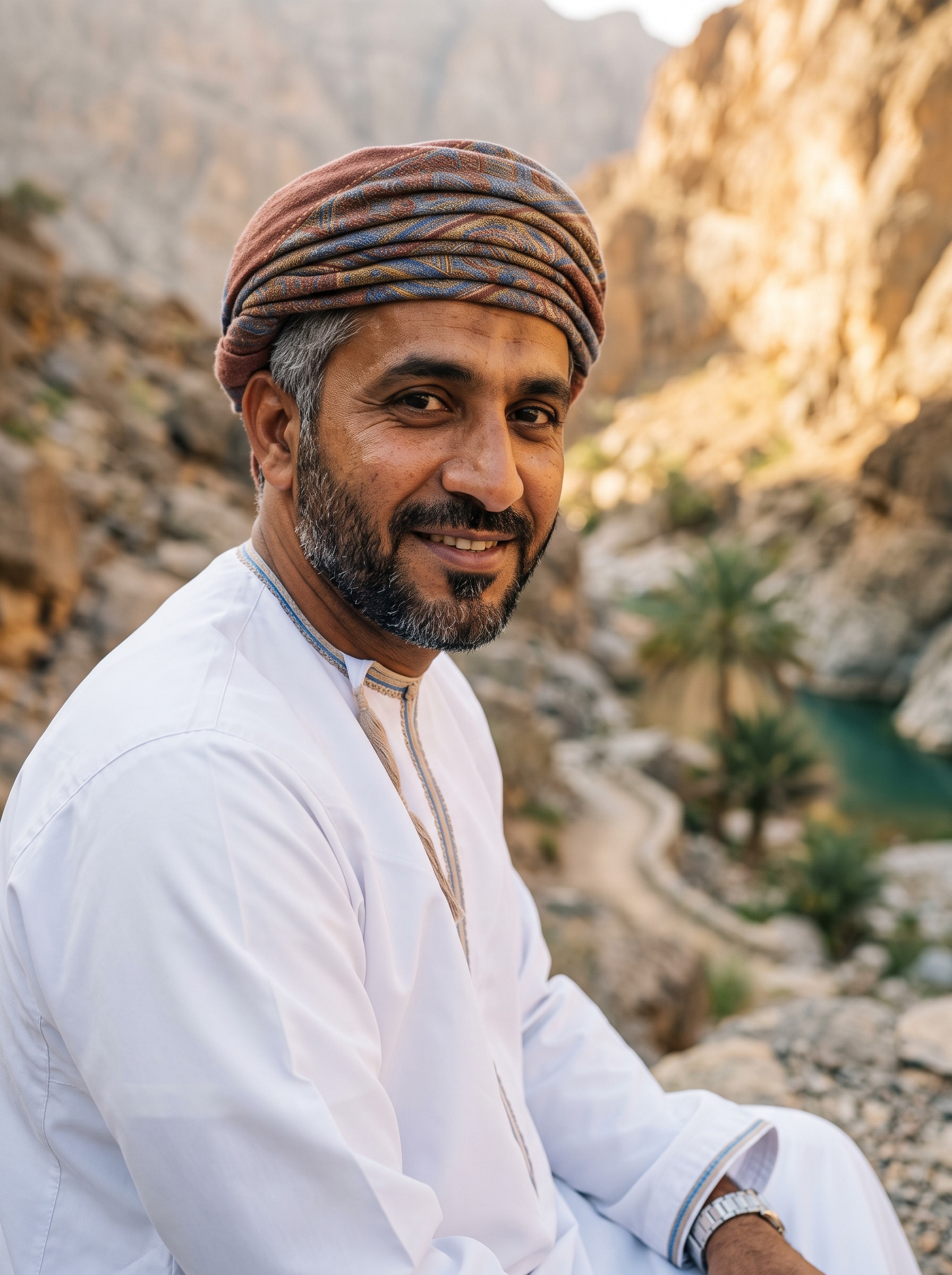

Al Khuwair wakes in layers: the first taxis on Sultan Qaboos Street, the suited ministry crowd heading in before the heat hardens the pavement, and then the slow opening of the restaurant strips, where charcoal smoke and the smell of bread begin to drift out into the morning. By night, the same roads feel different. Delivery bikes thread past apartment blocks, Lebanese counters fill with families, and the district settles into the practical rhythm that defines it — not postcard Muscat, but the Muscat people use.
What Al Khuwair is known for
One building defines Al Khuwair: the Sultan Qaboos Grand Mosque, completed in 2001 and open to non-Muslim visitors only in the morning window, roughly 8am to 11am from Saturday to Thursday, with Fridays closed to tourists.

The scale is the first thing that lands. The main prayer hall holds a single Iranian carpet weighing around 21 tonnes, beneath a chandelier about 14 metres tall, studded with hundreds of thousands of Swarovski crystals. The minaret rises about 90 metres, and the whole complex is built to hold roughly 20,000 worshippers. You do not come here for intimacy. You come for proportion, for stillness, for the way one monumental room can make the city feel quieter than it looked from the road.
That is the trick of Al Khuwair: it is a district of function that happens to contain one of Oman’s great sights. Ministries and embassies line the north side; apartment blocks, hypermarkets and the everyday restaurants sit lower and denser to the south. In the middle of all this sits the Natural History Museum of Oman, tucked into the Ministry of Heritage complex opposite the Zawawi Mosque, with a mounted sperm-whale skeleton as its star exhibit. The neighbourhood feels less like a destination than a working mechanism — administrative, diplomatic, domestic — with a world-class monument bolted to the front of it.

What I like most about Al Khuwair is that it never pretends to be more than it is. The streets are low-rise, white and boxy under a hard blue sky. The traffic can thicken at rush hour. The heat decides the day. Yet it is more walkable than much of Muscat, at least by the city’s standards, and that small mercy matters. You can cross from hotel to restaurant, from mall to mosque, from a coffee stop to a taxi rank, without feeling you have crossed a desert of asphalt. In a city built around the car, that is a kind of grace.
Where to eat & drink
Al Khuwair’s dining scene does not chase spectacle; it trades in reliability, generosity and fair prices. That is its own luxury.
For a proper Omani meal, Bin Ateeq is the one to book. You are shown to a private carpeted room, shoes off, then seated on the floor around a large communal tray. The dishes to order are the slow-cooked lamb shuwa and the spiced-rice majboos, and the whole experience stays cheap. It is the sort of meal that reminds you that hospitality can be formal without being stiff, and abundant without being performative.

For seafood and Turkish grills, Turkish House Restaurant on Al Hadiqa Street has the patience of a place that knows exactly what it is doing. It opens from midday to midnight, and around 8 OMR a head gets you into mixed grill territory, with fresh fish — calamari, prawns and red snapper among the draws — doing the rest. This is one of those Muscat addresses where lunch can slide into a late dinner without anyone needing to announce the transition. The room fills with the honest noise of people eating well and not fussing over it.
Two Lebanese kitchens anchor the daily rhythm. Al Jood, running since 2008 near Muscat Pharmacy, does generous mezze, charcoal grills and fresh manakish, with family seating upstairs. It has the easy confidence of a neighbourhood standby, the kind of place that becomes part of your itinerary simply because it is good at being itself. Automatic Restaurant in Al Khuwair South, near Mars Hypermarket, is the cheaper, quicker answer: hummus, falafel and shawarma at low prices, served without ceremony and exactly as often as the district needs it.

A note on drinks, because in Muscat it matters: Oman only permits alcohol in licensed venues, which in practice means the business hotels. Standalone restaurants here are dry. That is not a complaint so much as a map to how the evening works. You can eat very well in Al Khuwair without a glass on the table; if wine with dinner is part of your plan, you need to think hotel first, restaurant second.
Going out
Set your expectations to quiet and pleasant rather than big night out. Al Khuwair is not a place for bars spilling onto pavements or clubs with queues outside. The evening life is softer, more domestic. Restaurant strips stay busy well past 9pm. Shisha cafés hum with conversation. The malls keep their lights on late, and Oman Avenues Mall’s food and cinema run into the night, later still at weekends.
That is the neighbourhood’s version of going out: eat late, linger, maybe take a second coffee, maybe walk through air conditioning for an hour just because the heat outside has not yet relented. If you want a licensed drink, you head to a hotel bar. If you want a real scene, you taxi over to Qurum or the Al Mouj marina, both a short ride away, where the city concentrates what little nightlife it has. Al Khuwair, on its own terms, does the low-key Omani evening well enough. It simply refuses to pretend to be something else.
Things to do / what to see
The Sultan Qaboos Grand Mosque is the anchor here, and it deserves proper time. Go early, dress modestly, and allow about 90 minutes so you do not rush the prayer halls, the carpet and the courtyards. Men need long trousers and sleeves; women should cover arms, legs, chest and hair, and robes can be hired at the gate for a couple of rial if needed. This is one of those places where the etiquette is part of the visit, not an obstacle to it. The mosque’s scale, its silence and its precision all ask for a slower pace.

Pair it with the Natural History Museum of Oman in the Ministry of Heritage complex. It is compact, but the sperm-whale skeleton alone makes the stop worthwhile, and the displays on Omani wildlife and geology give the city a useful counterpoint to the mosque’s grandeur. One is an act of devotion, the other an act of curiosity. Together they make a fine morning.
Al Khuwair also works as a staging post for two nearby heavyweights that sit just outside its edges. The Royal Opera House Muscat, in neighbouring Shati Al Qurum, carries an international season, and the beaches and park of Qurum are only a few minutes on. That is part of the district’s usefulness: you can tick off the mosque and museum, then use the rest of the day to fan out toward the coast, the old town or the wadis.
{{ATTRACTIONS}}
Shopping
This is mall country, and it does it comfortably. Oman Avenues Mall is the big one, with 300-plus stores covering international high-street brands, electronics and Omani souvenirs — perfumes, sweets and handicrafts among them — plus a cinema, a bowling alley and the Funtazmo indoor amusement park for families. It generally runs 10am to 10pm, later on Fridays, which makes it a useful refuge when the afternoon heat has turned the street outside into a white blur of glare and exhaust.
Muscat Grand Mall covers similar ground nearby, and the district’s hypermarkets — Lulu, Mars and Rawasco among them — handle the everyday practicalities with the same no-nonsense efficiency that defines the neighbourhood itself. If you want dates, halwa or frankincense, you can buy them here for far less than you would in a tourist souk. That is the point. Al Khuwair’s shopping is modern, indoor and useful.
If you are chasing romance, you go elsewhere. The atmospheric lanes, the haggling, the khanjar daggers and antique silver belong to Mutrah. Al Khuwair is where you restock, not where you wander for the sake of wandering.
Where to stay in Al Khuwair
Al Khuwair makes sense as a base because it sits in the middle of the city’s practical geometry. It is roughly 15 to 20 minutes from the airport, close to the Grand Mosque, handy for the malls, and within a short taxi ride of Qurum’s beach and the old-town sights. For a first visit, that combination is hard to beat. You are not choosing atmosphere here; you are choosing access.
The accommodation leans business and mid-range rather than resort. The Wyndham Garden Muscat Al Khuwair is contemporary, alcohol-free and attached to a commercial centre right in the business district. City Seasons Hotel & Suites sits on Sultan Qaboos Road. Hilton Garden Inn Muscat Al Khuwair is near the Zawawi Mosque. Ibis Muscat, toward the Al Azaiba edge, is the budget option. Prices tend to be better value than the beachfront resorts of Al Mouj or the luxury names on the coast. North Al Khuwair suits you if you want the embassies, ministries and the seafront edge close by; South Al Khuwair puts you among the restaurants and hypermarkets, with cheaper stays and a more everyday feel.
If a licensed bar in-house matters, check before you book. Several of the newer hotels here are dry, and in Oman that is a fact worth knowing before you arrive with expectations from another city.
{{HOTELS}}
Getting around
Muscat has no metro or tram, so the city runs on taxis, the Mwasalat bus network and rental cars. From Muscat International Airport, Al Khuwair is about a 15 to 20 minute drive. Mwasalat Route 8 links the airport corridor with Al Khuwair, running roughly every 30 minutes from around 6am to 11pm and passing the Grand Mosque, while Route 12 stops within a short walk of the mosque. In practice, most visitors use app-based taxis — OTaxi, Marhaba and the Mwasalat taxi app all offer metered rides — because they are the easiest way to hop between districts without thinking too hard about the heat or the timing.
Al Khuwair itself is more walkable than much of Muscat. You can comfortably stroll between a restaurant strip and your hotel, or between a mall and a café, but the wide arterial roads and the weather make longer walks unappealing for much of the year. By car, reckon on 10 to 15 minutes to Qurum’s beach and restaurants, 15 to 20 to the Mutrah corniche and souk, and around 20 to Old Muscat. A hire car only really starts to pay off if you are heading out for wadi days, Nizwa or the desert, where your own wheels — and a 4WD for the mountains — become part of the adventure.
Al Khuwair is not the Muscat people come to romanticise. It is the Muscat they come to use. That distinction matters. If you want old stone and harbour light, go to Mutrah. If you want sand and sea, go to Qurum or Al Mouj. But if you want the mosque, the museum, the reliable dinner, the sensible hotel and the airport without fuss, this is the district that quietly holds the city together.
FAQs
Is Al Khuwair a good area to stay in Muscat?
Yes — it is a practical first-trip base: central-ish, safe, about 15–20 minutes from the airport, and within a short taxi of the Grand Mosque, the malls, Qurum’s beach and the old-town sights. You also get better-value business and mid-range hotels than on the coast. The trade-off is simple: it is functional, not atmospheric. For character, choose Mutrah; for beach, choose Qurum or Al Mouj.
How do I visit the Sultan Qaboos Grand Mosque, and what should I wear?
Non-Muslim visitors can enter only in the morning, roughly 8am–11am from Saturday to Thursday, and it is closed to tourists on Fridays. Entry is free. Dress modestly: men need long trousers and sleeves, and women must cover arms, legs, chest and hair. If you arrive underdressed, you can hire a robe or abaya at the entrance for a couple of rial. Give it about 90 minutes and go early to beat the crowds and the heat.
Can you get an alcoholic drink in Al Khuwair?
Only in licensed venues, which in Oman means the business hotels. Standalone restaurants in Al Khuwair are dry. If a drink with dinner or an in-house bar matters, book a hotel that holds a licence, or head to a licensed venue in Qurum or the Al Mouj marina a short taxi away.
What is Al Khuwair best for?
The Grand Mosque, good-value international dining, malls and a central airport-side base. It is especially useful for first-timers, business travellers and anyone using Muscat as a launchpad for day trips.