Mexico City guide
Coyoacán, Mexico City: Frida, plazas and a village that kept its manners
A slow, leafy southern barrio where Frida Kahlo, Trotsky and colonial squares sit within a walkable day, and the coffee queue still matters more than the clock.
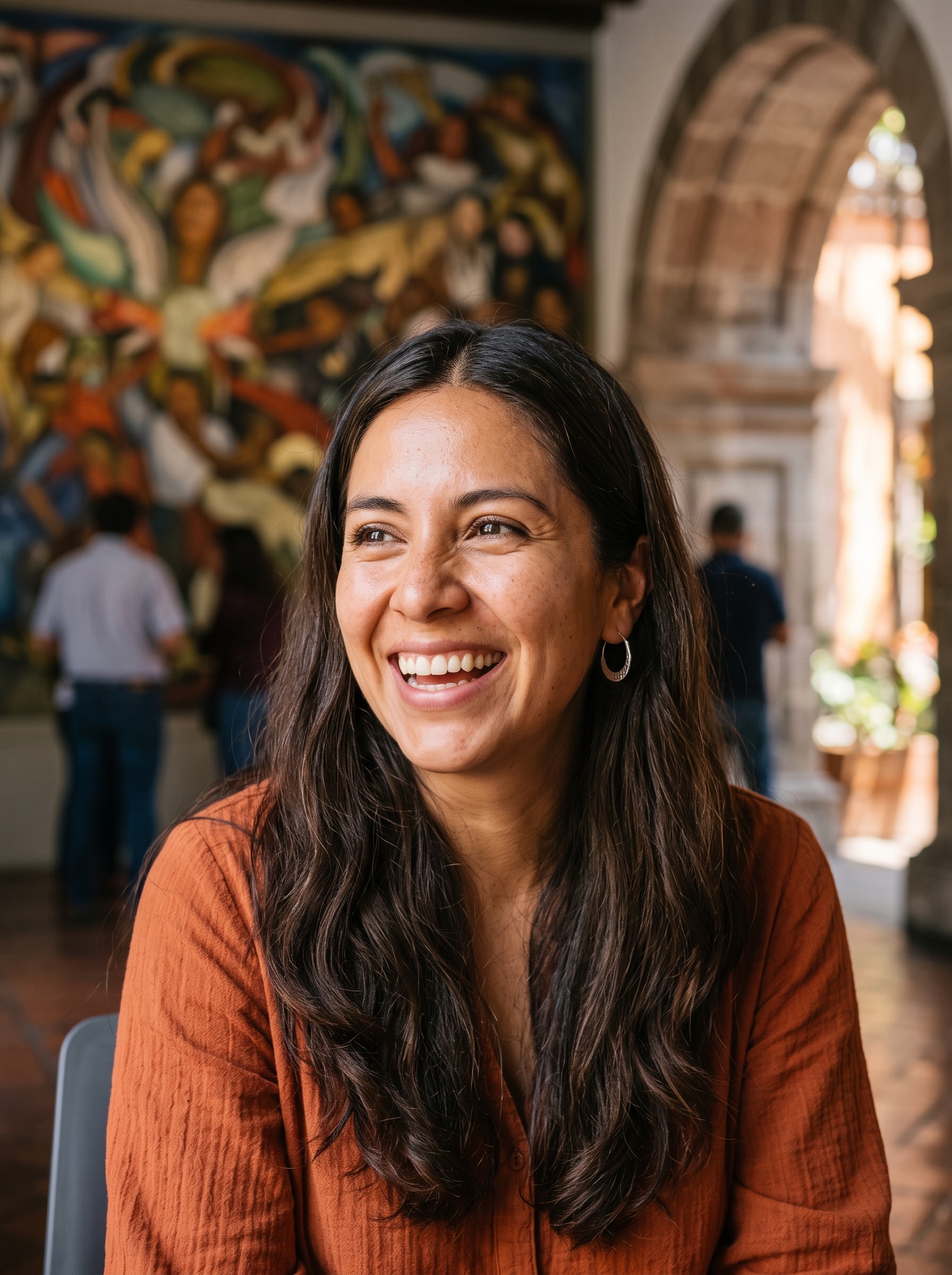

Ten kilometres south of the Zócalo, the traffic thins, the streets turn to cobble, and Coyoacán remembers its old job as a village. Coffee is drunk standing on the pavement, mariachis warm up outside the cantina, and Frida Kahlo’s blue house sits only a couple of blocks from where the weekend crowds are buying churros and arguing over tostadas. The neighbourhood has been swallowed by Mexico City, yes, but only in the administrative sense. On the ground it still behaves like a place with a square, a parish church, and enough shade to make people linger.
What Coyoacán is known for
Coyoacán is known first and foremost for Frida Kahlo, and the barrio does not pretend otherwise. The Casa Azul, on Londres 247, is the cobalt-walled house where she was born, lived with Diego Rivera and died; it is the single busiest ticket in the neighbourhood and the gravitational centre of the day-tripper circuit. Walk a few minutes away and the story widens. As of September 2025 there is the Museo Casa Kahlo at Aguayo 54, run by Frida’s own relatives in the family’s “Casa Roja,” which looks less interested in myth-making and more interested in childhood, family and the early work that came before the global iconography.

Then there is the darker, stranger chapter: the Museo Casa de León Trotsky on Avenida Río Churubusco 410. This is the fortified home where the exiled Bolshevik was murdered with an ice axe in 1940, and the house has been preserved with bullet holes and watchtowers intact. Coyoacán is unusually good at making history feel lived-in rather than embalmed. These are not distant monuments; they are houses, and the barrio still has the habit of letting the past sit at the table.
But the thing that makes Coyoacán more than a museum district is the neighbourhood around the museums. The twin gardens — Jardín Centenario and Jardín Hidalgo — are the heart, with the stone fountain of two bronze coyotes in the first and the whitewashed Parroquia de San Juan Bautista beside the second. Between them, and along cobbled Avenida Francisco Sosa, the city loosens its tie. Jacaranda and bougainvillea hang over garden walls. Small galleries open onto the street. Families occupy the benches. It is bohemian and colonial in equal measure, and the mix is not decorative; it is the whole point.
Where to eat & drink
Coyoacán eats like a neighbourhood with memory. Not flashy, not precious, and thankfully not trying to impress anyone from Polanco. The coffee ritual starts at Café El Jarocho, on the corner of Cuauhtémoc and Allende since 1953. There are no tables, no chairs, just a queue that moves with the confidence of a place that knows it will still be here tomorrow. Locals take their cinnamon-dusted cappuccinos on the curb and leave the performance to everyone else. If you want a sit-down cup, Cafeología on Berlín 239 treats coffee like a seminar and roasts single-origin Chiapas beans with a seriousness that is almost funny until you taste the result.

For something sweet and properly local, Churrería General de la República on Francisco Sosa 1 is where the churro line earns its reputation. The classic sugar-and-cinnamon version is the obvious order, but the guava-filled ones are the move if you want a little more mischief with your sugar. Eat them hot, looking toward the plazas, and you understand why people make a pilgrimage for fried dough.
Dinner in Coyoacán is more about comfort and craftsmanship than novelty. Los Danzantes, on Jardín Centenario 12, is the standout: an Oaxacan-rooted kitchen doing modern Mexican on a handsome patio, with mole-smothered dishes, huitlacoche, hoja-santa quesadillas and a serious mezcal list. It is one of the few places here that feels equally suited to a long lunch or a slow evening. A few blocks away, La Barraca Valenciana on Calle Centenario leans into Spanish-Mexican tortas, paella and house beer, which makes it a reliable lunch stop when the market has already done half the deciding for you. And Mi Compa Chava brings the kind of lively Sinaloa-style seafood that makes a neighbourhood feel more lived-in: aguachiles, raw-bar plates, weekend lines, no reservations, and a cash-friendly attitude that is either charming or irritating depending on how hungry you are.
Going out
Nightlife in Coyoacán is an early-evening affair, and honestly, that is part of its charm. The plazas are the stage, the cantinas are the theatre, and by the time the rest of the city is deciding where to go out, Coyoacán is already in its final act. The classic closer is La Coyoacana on Calle de la Higuera 14, a big, sunny traditional cantina with swinging wooden doors, botanas, tequila and mariachis who will play a table’s request for a fee. It is boisterous without feeling like a trap, family-friendly by Mexican-cantina standards, and exactly the sort of place where a long afternoon can slip into evening without anyone noticing.

A few steps away on Jardín Centenario, Corazón de Maguey claims the barrio’s mezcal crown. People like to call it the cathedral of mezcal, which is the sort of phrase that should usually make you wince, but here it mostly holds up. The terrace looks over the square, the mezcals are artisanal and small-batch, and the Oaxacan food gives the drinks something to lean against. Los Danzantes is another good agave-spirits stop earlier in the evening, especially if you want to start with dinner and end with a second glass while the plaza empties. Beyond that, Coyoacán is not pretending to be Condesa. The shutters come down early. If you want midnight, take a rideshare elsewhere.
Things to do / what to see
The sensible way to do Coyoacán is to build the day around the three house-museums, then let everything else happen between them. Start with the Museo Frida Kahlo (Casa Azul) on Londres 247, but book online well ahead. Walk-up sales stopped, morning slots vanish days in advance, foreigners pay about MX$270 plus a small service fee, and the museum is closed Mondays. That is not a suggestion; it is the neighbourhood reminding you that fame has a queue.

Next, if you want Frida without the full legend machinery, go to the Museo Casa Kahlo on Aguayo 54. It opened in September 2025 and focuses on her childhood and early work, which makes it feel like a necessary correction rather than a side project. Then cross to the Museo Casa de León Trotsky on Río Churubusco 410, about MX$50, Tuesday to Sunday, where the preserved house is the point: the bullet holes, the watchtowers, the sense that history sometimes happens in a domestic room with bad security.
Between those stops, the neighbourhood rewards drift. The Fuente de los Coyotes in Jardín Centenario is the obvious pause point, and the bronze coyotes are exactly as literal and oddly elegant as they sound. Over in Jardín Hidalgo, the arcaded façade of the Parroquia de San Juan Bautista gives the square its gravity. It is one of the valley’s oldest churches, plain on the outside and richer inside, which is often the better arrangement anyway. Then there is Avenida Francisco Sosa, cobbled and lined with colonial houses and small galleries, one of those streets that makes you slow down without the city needing to tell you to.

For open air and green space, head to Viveros de Coyoacán, a 39-hectare working tree nursery and public park with a 2.1km dirt jogging loop and famously tame squirrels. It is free to enter and a favourite morning run for locals, which is to say it is one of the few places in this part of the city where the pace feels genuinely unforced. Weekend Coyoacán is the neighbourhood in full costume: aztec dancers drumming outside the church, buskers, balloon sellers and craft stalls spilling across the plazas. Midweek is calmer, and in some ways better; you can hear the foot traffic and the coffee cups.
{{ATTRACTIONS}}
Shopping & markets
The markets do a lot of the heavy lifting here, and they do it without needing to look polished. The Mercado de Coyoacán, on Ignacio Allende, is where you go for the barrio’s most famous cheap meal: a tostada piled with tinga, pata, ceviche or camarón for a few dozen pesos. The original Tostadas Coyoacán stall has been trading since 1956 and wears a bright yellow-and-red sign; next door, Tostadas La Chaparrita is equally beloved. Go before 2pm if you can, because the crush arrives and the local queues are the only line that matters. Around them, the market sells produce, mole pastes, flowers and cookware, which is to say the useful things, not the decorative ones.
A different kind of shopping happens at the Mercado Artesanal Mexicano on Felipe Carrillo Puerto 25, a two-storey warren of stalls selling textiles, Talavera pottery, silver, leather and painted wood from across Mexico. It is noticeably cheaper than the equivalents around Roma or the Centro, and it is fullest at weekends, when extra artisans and live craft demonstrations appear. The plazas themselves become an open-air bazaar on Saturdays and Sundays, with jewellery, prints and folk art laid out around the fountains. It is all a little chaotic, but that is the point: Coyoacán is not a mall with a church attached.
Where to stay in Coyoacán
Coyoacán is thin on big hotels by design. This is a residential barrio, so the stock is mostly small boutique properties, guesthouses and Airbnbs rather than international chains. The best base is the cluster of quiet cobbled streets around Jardín Centenario, Francisco Sosa and the Del Carmen colonia, where you can walk to the Casa Azul, the plazas and the market, then step out early before the day-trippers arrive and the neighbourhood puts on its public face. It is a peaceful, atmospheric, distinctly local stay, with budgets that tend to feel mid-range and a little gentler than Polanco or Roma Norte. The handful of design-led boutiques near Casa Azul command a premium, which is fair enough; people will pay for the privilege of opening their curtains onto a street that still sounds like a village.
{{HOTELS}}
Getting around
Coyoacán sits well south of the tourist core, and that distance matters. Metro Line 3 is the useful line here: Viveros/Derechos Humanos and Miguel Ángel de Quevedo both sit on the western edge of the barrio, roughly a 15–20 minute walk or a short pesero ride from the plazas. In practice, most visitors take a rideshare, which drops you right at the gardens. From Roma or Condesa, reckon on 25–45 minutes; from the Centro Histórico, up to an hour depending on traffic, and rush hour can make the Metro the smarter bet.
Once you are in the historic centre, walk. It is flat, compact and made for it. Coyoacán also pairs naturally with a southern day: the canals of Xochimilco and the university district around UNAM are both close, and plenty of trajinera tours bundle the two together. If you are staying late, do what locals do and keep to the lit, busy streets. The neighbourhood is one of the city’s safest and busiest by day, but it still rewards the old urban habit of not being foolish after dark.
FAQs
Is Coyoacán a good area to stay in Mexico City?
Yes, if you want a calm, atmospheric, village-like base and don’t mind being south of the centre. You’ll be steps from the Casa Azul and the plazas, in one of the city’s safest barrios by day. The trade-off is distance: Roma, Condesa and the Centro are usually 25–45 minutes away, and hotel choice is limited to boutiques, guesthouses and Airbnbs.
Do I need to book Frida Kahlo tickets in advance?
Absolutely. The Museo Frida Kahlo now sells tickets online only, and popular morning slots can disappear days or even weeks ahead. Foreigners pay about MX$270 plus a small service fee, and the museum is closed Mondays. Since September 2025, you can also visit the separate family-run Museo Casa Kahlo nearby for Frida’s early years.
Is Coyoacán safe?
Yes, it’s one of Mexico City’s safest and busiest neighbourhoods, especially by day. Use the usual big-city common sense: keep an eye on your bag in the crowded market, and after dark stick to lit, busy streets or take a rideshare rather than wandering empty cobbled lanes.
What’s the best time of day to visit Coyoacán?
Midweek mornings are the sweet spot if you want the neighbourhood at its calmest, with shorter coffee queues and room to breathe around the plazas. Weekends are livelier, with buskers, dancers, balloon sellers and craft stalls, but they also bring the crowds.