Mexico City guide
Condesa, Mexico City: the leafy barrio that learned to linger
A slow, park-framed corner of CDMX where Art Deco facades, terrace tables and dog walkers set the pace from breakfast to last call.
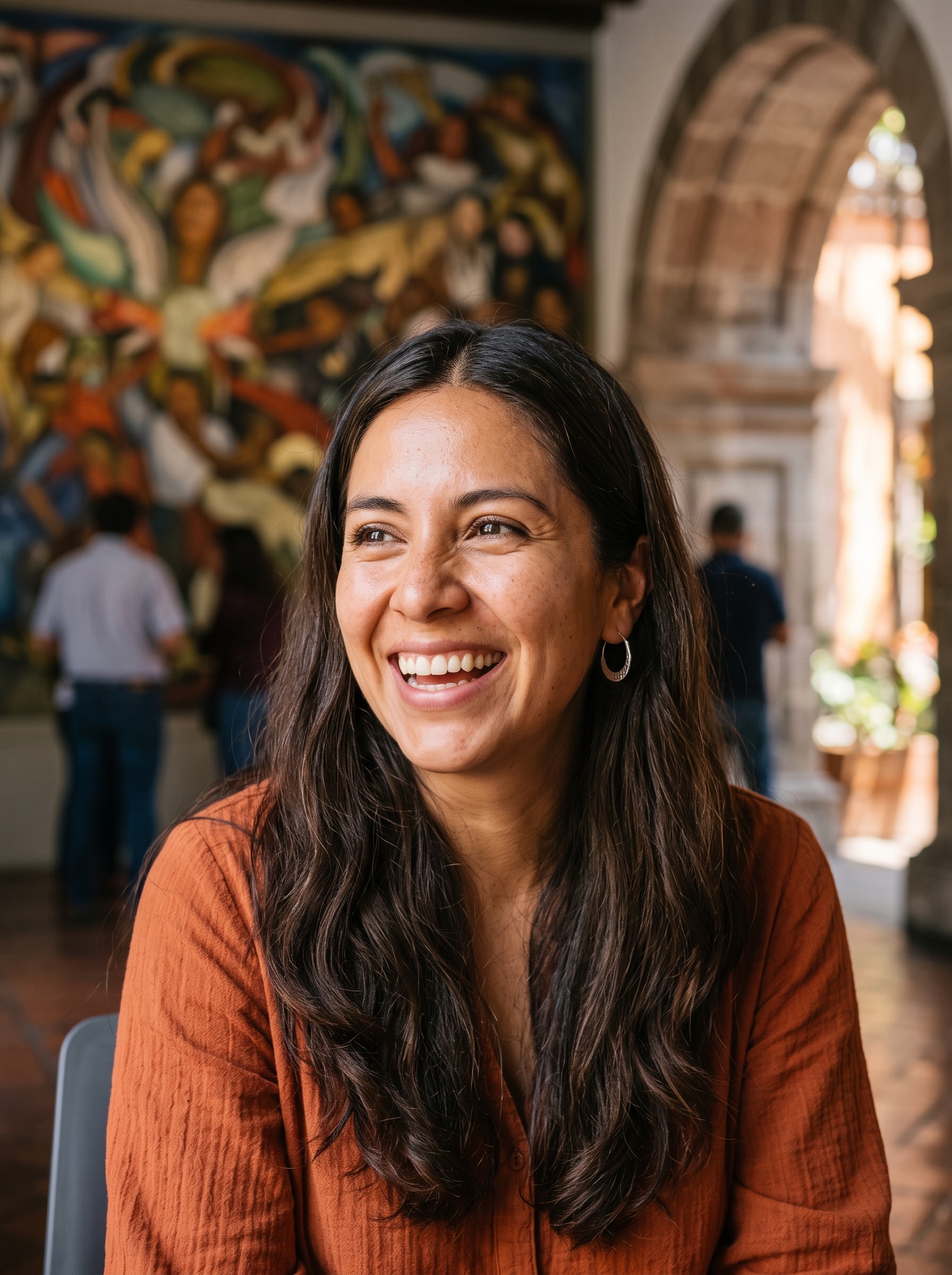

Avenida Amsterdam still curves like it has somewhere better to be later. The loop was once a horse-racing track, and Condesa has never quite shaken the elegance of that old circuit: a neighbourhood built for moving slowly, under trees, with a coffee in hand and a dog at your heel if you’ve got the full local costume. The city gets louder, grittier, more vertical a few blocks away, but here the rhythm is different — park mornings, terrace lunches, cocktail evenings, and the occasional reminder that this was once the Hipódromo de la Condesa, not a content strategy.
What Condesa is known for
Condesa’s identity is almost embarrassingly clear once you stand in the middle of it. The barrio’s green heart is Parque México, officially Parque San Martín, laid out in 1927 on the infield of the former racetrack. It is not a park you merely pass through; it is a stage set with a social script. At dawn, the loops fill with joggers and dog walkers. By midday there are chess players, readers and people who look as though they have been there all day on purpose. On weekends, the old bandshell comes alive with free dance classes and live music, and the whole place takes on that very Mexico City habit of turning public space into a sort of open-ended civic living room.

A few blocks north, Parque España does the quieter version of the same thing. It is smaller, shaded and less performative, which is often exactly what you want after too much city. Together, the two parks explain why Condesa feels so breathable. The neighbourhood was laid out in the late 1920s around this green core, and the streets still seem to understand that they are supporting actors.
Then there is Avenida Amsterdam, the oval that gives Condesa its signature gait. The planted median, the roundabouts named for Mexico’s volcanoes — Popocatépetl, Iztaccíhuatl, Citlaltépetl — and the old racetrack geometry all still read in the street plan. The avenue is one of those places where the city’s design history is not locked in a museum but lived in daily, under jacaranda shade and beside pavement tables. Look up and the facades do the talking: geometric Art Deco, Streamline Moderne, curved balconies, ornate ironwork, and, rising over Parque México, Francisco Serrano’s Edificio Basurto, the landmark tower that still anchors the neighbourhood’s skyline with a kind of upright confidence.

Condesa is also one of the city’s most dog-obsessed districts, which is saying something in a place where dogs have long since become a public utility. Walking here without one does make you feel slightly underdressed. The joke lands because it is true. But the dog culture is only the most visible expression of a broader truth: this is a neighbourhood built for being outside, for lingering, for working out in public whether that means a run, a long lunch or a very serious conversation over a small glass of mezcal.
Where to eat & drink
Condesa eats far above its size, and it does so without much fuss. The headline table is Esquina Común, chef Ana Dolores González’s plant-filled rooftop room on Fernando Montes de Oca 86. It has a Michelin star, a short seven-course seasonal menu and the sort of reservation policy that makes people speak in lower voices. The cooking moves between Mexican, Spanish, Peruvian and Asian ideas, which in less steady hands would sound like a committee meeting. Here it feels precise, deliberate and a little mischievous, the kind of place that understands a rooftop should not be wasted on clichés.
Merotoro on Amsterdam 204 is the more bookable cousin in the fine-dining family, and chef Jair Téllez’s Baja California kitchen has long been one of the neighbourhood’s most reliable reasons to stay for dinner. The ceviche tostadas and cremoso rice with shrimp are the kind of dishes that remind you Baja cooking can be both coastal and deeply urbane, and that a restaurant does not need to shout to be memorable.

For daytime life, Lardo on Agustín Melgar 6 is the dependable answer to nearly every breakfast or lunch question. It is light-filled, all-day and from the Rosetta team, which means it has the kind of polished ease many places aim for and few actually achieve. Come for a croque madame or guava pastries at breakfast, stay for grilled octopus in peanut-tomato sauce at lunch, and accept that yes, you probably should have booked ahead.
Merkavá at Amsterdam 53 is the city’s favourite Israeli restaurant for good reason: kubaneh bread with tahini butter, za’atar cauliflower and a room that knows exactly what it is doing. A few doors away in the broader Condesa orbit, El Jamil at Amsterdam 306 turns out some of Mexico City’s best Lebanese food, with charcoal kibbeh that justify the trip on their own. Rojo Bistrot at Amsterdam 71 plays the classic French neighbourhood bistro with a straight face — duck magret, escargots, onion soup — and that is precisely why it works.
Maizajo on Fernando Montes de Oca 113 is the masa argument, plain and simple. It is a taquería and tortillería in one, and the ribeye taco with shoestring fries is the sort of thing that makes even the most devoted starch minimalist reconsider their position. At Azul Condesa on Nuevo León 68, regional Mexican gets a more refined treatment: enchiladas in mole negro, guacamole with chapulines, the kind of cooking that respects tradition without embalming it.
For the cheap-and-brilliant end of the spectrum, Restaurante Bar Montejo is the Yucatecan stop to know for a cochinita pibil torta and panuchos, while La Pezciosa at Atlixco 38 turns out the wonderfully over-the-top quesotote, a corn tortilla stuffed with a whole chile relleno and fried shrimp. Condesa may have a reputation for polish, but it still understands the democratic pleasure of a brilliant sandwich.
Coffee is its own local religion. Blend Station on Avenida Tamaulipas is the airy, high-ceilinged work-from-café favourite, the sort of place where the Wi-Fi matters and so does the light. Chiquitito Café, tiny and dog-friendly near Parque México, is the Sunday-morning ritual version — compact, lively, and full of people who have clearly decided that this is where the day begins. And Nevería Roxy on Avenida Tamaulipas keeps the old-school dessert end of the neighbourhood alive with seasonal Mexican-fruit cones and sundaes. Some neighbourhoods preserve memory in museums; Condesa does it in ice cream.

Going out
Night in Condesa is less about escalation than modulation. The neighbourhood does not really do chaos; it does rooms, glasses and conversation. The marquee address is Baltra Bar on Iztaccíhuatl 36D, a small cocktail room from the Limantour team, warmly lit and built around Darwin’s Galápagos voyages. It is regularly counted among North America’s 50 Best Bars, but the list-making is almost secondary to the atmosphere: intimate, botanically minded, and busy enough that arriving early or on a weeknight is simply common sense. The martini is the local order, which tells you a lot about the room and the clientele.

For mezcal, La Clandestina on Álvaro Obregón 298 is the classic move, a low-lit mezcalería with around 25 small-batch mezcals, mostly Oaxacan, poured for sipping rather than theatrics. It sits on Condesa’s eastern edge and feels like the proper bridge between dinner and a longer night, if you want one. The point is not to knock back a dozen things and forget where you are; the point is to taste.
If you want the old-school version of an evening, Cantina El Centenario on Vicente Suárez 42 is the answer. Fresh-squeezed margaritas, a traditional cantina atmosphere, and the easy drift from afternoon into evening — Condesa’s nightlife in miniature, really. The Avenida Tamaulipas stretch near Parque España gathers whisky, gin and casual bars, and the city’s broader nightlife districts are close enough if you decide you need more volume. But Condesa itself remains loyal to a quieter thesis: terraces, good glasses, no need to prove anything.
Things to do / what to see
Most of what makes Condesa worth your time costs nothing and takes place outdoors, which is perhaps why the neighbourhood feels so easy to inhabit. Start with a morning loop of Parque México, preferably before the day gets argumentative. The old racetrack infield still shapes the park’s curves, and the daily cast is as reliable as weather: joggers, dogs, readers, chess players, dancers, musicians. Weekend afternoons around the bandshell can feel like a spontaneous civic festival, and the dedicated off-leash dog zone — the famous “zona de perros” — is where local social hierarchy is most honestly expressed.
A few blocks north, Parque España offers a smaller, quieter version of the same pleasure. Its shaded paths and dog run make it a good place to slow down after the more theatrical energy of Parque México. If Condesa has a secret, it is not hidden; it is simply green.
The other essential activity is architectural wandering. Walk Avenida Amsterdam end to end and let the street explain itself to you through its curve, its median and its facades. This is one of the best Art Deco walking loops in the city, not because it is pristine but because it is lived in. End at Edificio Basurto and look up. Francisco Serrano’s landmark tower still feels like a punctuation mark at the edge of the park.
If you want to widen the radius, Condesa sits on the eastern flank of Bosque de Chapultepec, and that matters. The park is vast enough to swallow an afternoon, with the Museo Nacional de Antropología and Castillo de Chapultepec a short walk or ride away. It is one of the easiest half-days you can build from a Condesa base, and a good reminder that this neighbourhood’s charm is partly its location: central, but not trapped by the centre.
{{ATTRACTIONS}}
Shopping & markets
Condesa is not the place for a mall crawl. It is a browse-on-foot neighbourhood, which suits it better. The side streets off Amsterdam and around Calle Atlixco and Avenida Michoacán hold the independent boutiques, menswear studios, homeware shops, design stores and skincare concept spaces that reward a slow, slightly distracted walk. You do not come here to conquer retail; you come to notice things, maybe buy a shirt, maybe leave with a lamp you did not know you needed.
The neighbourhood is also good for books, especially if your idea of shopping includes a café and an afternoon that doesn’t hurry. There are café-bookshop hybrids and independent stores, plus an English-language secondhand scene that makes it easy to restock your carry-on reading without turning the whole thing into a project. On the right rainy afternoon, that is enough.
For something more local and less curated, time your wander for one of the rotating tianguis. These open-air markets pop up on set days on streets like Pachuca and bring produce, prepared food, flowers and household goods into the neighbourhood’s daily life. They are the cash-and-carry counterpoint to all the design polish, and they tend to be where the cheapest lunch appears without warning: a torta, fruit with chile and lime, something hot, something practical, something that reminds you the city still belongs to the street.
Where to stay in Condesa
Condesa works beautifully as a base because it gives you the city’s softest landing without disconnecting you from the rest of it. Wake up here and you get birdsong and a park loop rather than traffic; step outside and you are in a neighbourhood that already knows how to host a day. The best address zone is the ring of streets around Parque México and Avenida Amsterdam: leafy, walkable, safe and close to cafés, restaurants and the architecture that makes people fall for the place in the first place.
The blocks by Parque España are a little handier if you want to move easily into Roma or catch the Insurgentes Metrobús, but the trade-off is that you are slightly less in the centre of Condesa’s own mood. Accommodation here is mostly boutique and stylish rather than big-brand. Condesa DF, the India Mahdavi-designed hotel by Parque España, remains the landmark stay, with its courtyard restaurant and rooftop bar. Octavia Casa shows the quieter, more residential side of the neighbourhood — less scene, more breathing room.
{{HOTELS}}
Prices tend to sit in the mid-range to upper bracket for central Mexico City, and that is part of the deal. Condesa is one of the pricier inner-city barrios, especially if you want the nicest rooms and the best streets. Weekend noise can drift up from parts of Tamaulipas and Nuevo León, so if you sleep lightly, ask for a room off the main avenues. The upside is obvious: you are paying to live inside a neighbourhood that actually works on foot.
Getting around
Condesa is one of the city’s easiest neighbourhoods to move through. You can cross it in fifteen to twenty minutes, and nearly everything worth doing sits within an easy stroll of Parque México. It is flat, bike-friendly and well served by Ecobici, which makes the neighbourhood feel even smaller than it is. The bike-share links straight to Roma, Juárez, Polanco and Reforma, and on a quiet Sunday morning the whole area can feel almost European, if Europe had more dogs and better coffee.
The nearest Metro stations are Patriotismo and Chilpancingo on Line 9, both about a 10–15 minute walk from the centre of Condesa, with fares around 5 pesos. Metrobús Line 1 runs along Avenida Insurgentes on the eastern edge and is the easiest public link north toward Reforma and the Centro, or south toward the university. For anything off the walking grid, Uber and DiDi are cheap and plentiful, which is why many locals use them without ceremony.
If you are heading to the airport, an Uber or DiDi typically runs about US$8–15 and takes 25–45 minutes depending on traffic. The historic centre is roughly 15–25 minutes away by Metrobús or ride-share, and Chapultepec’s museums are close enough to make a half-day feel easy rather than ambitious. Condesa does not demand a car; it rewards the absence of one.
FAQs
Is Condesa a good area to stay in Mexico City?
Yes. It’s one of the best central bases if you want a calm, green, walkable neighbourhood rather than big monuments on the doorstep. You get parks, Art Deco streets, excellent cafés and restaurants, and good boutique hotels, with Roma, Chapultepec and the Metrobús all close by. The trade-offs are price and distance from the historic centre, which is a short Metrobús or Uber ride away.
Is Condesa safe?
Condesa is generally considered one of the safer neighbourhoods in Mexico City: well-lit, walkable and busy at most hours, with violent crime rare. As in any big city, keep an eye on your phone and bag, avoid quiet side streets alone very late at night, and use Uber or DiDi rather than hailing cabs on the street after dark.
What’s the difference between Condesa and Roma?
They sit side by side and blur into each other, so many visitors base in one and wander both. Condesa is the greener, calmer, more residential of the two — built around Parque México and Avenida Amsterdam, with more café mornings and dog-walking. Roma, especially Roma Norte, is denser, edgier and more nightlife- and gallery-driven.
What is Condesa known for?
Parks, Art Deco architecture, café culture and relaxed cocktail nights. It’s the neighbourhood people choose for walkability, leafy streets, boutique stays and a slower pace that still keeps you close to the rest of central Mexico City.