Lisbon guide
Príncipe Real, Lisbon: hilltop calm, queer history and sharp taste
A hilltop of cedar shade, concept stores and late-night legends, Príncipe Real is Lisbon at its most composed, with serious food, serious nightlife and a distinctly unhurried swagger.
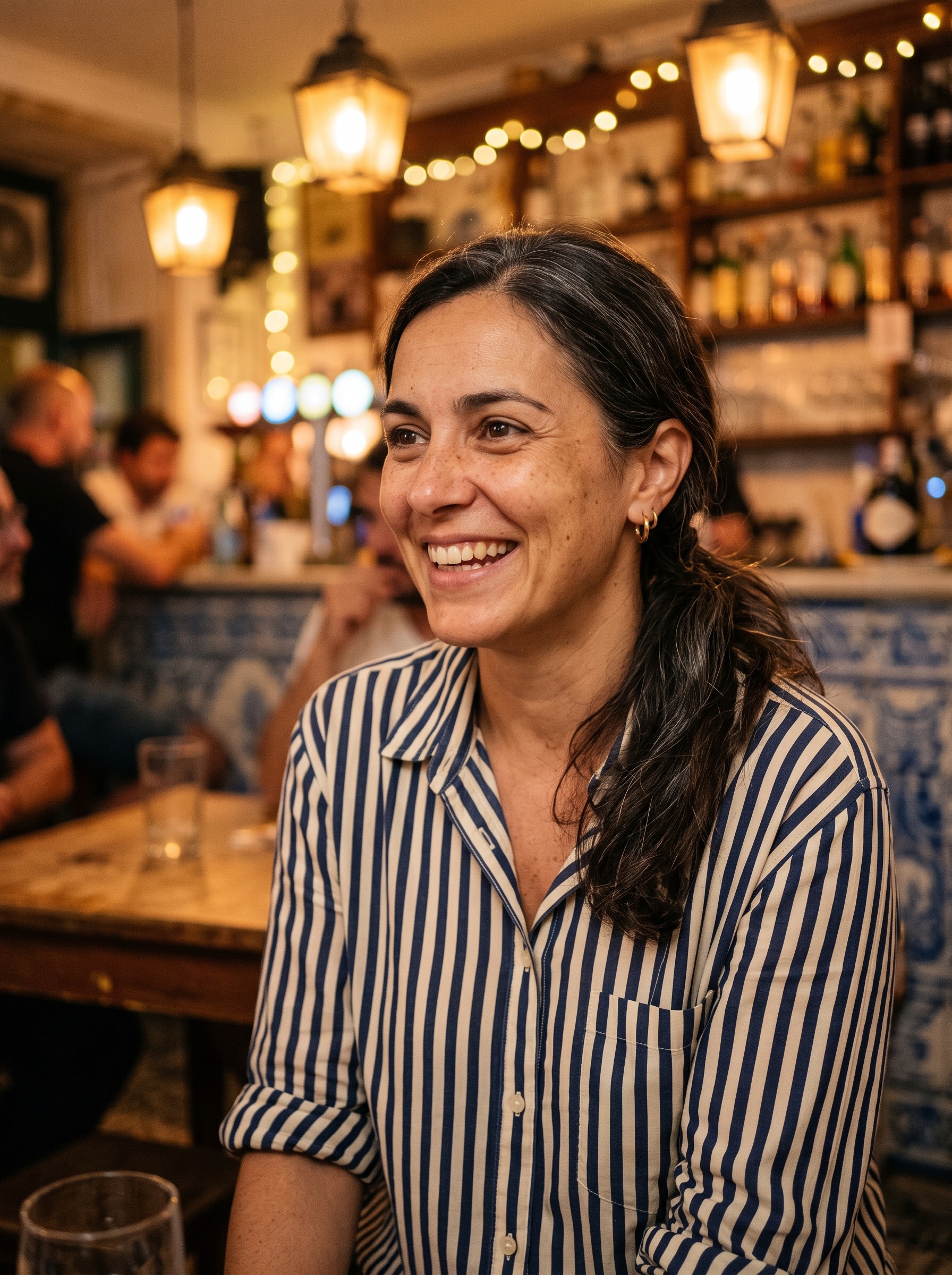

One hilltop above the roar of Bairro Alto, a single enormous cedar spreads its branches over a square where old men slap down cards, toddlers chase pigeons, and a well-dressed crowd drifts between concept stores in a neo-Moorish palace. That is Príncipe Real in one breath: a neighbourhood that knows exactly how it wants to be seen, and is in no hurry to prove it.
What Príncipe Real is known for
Príncipe Real is Lisbon with its collar open but pressed. The garden square is the neighbourhood’s social living room, and the city seems to understand the assignment. By day, the shade of the Cedro-do-Buçaco cypress gathers everyone from pensioners to parents to people pretending to read while they watch the parade. Two kiosks trade in wine, tosta mista and the sort of afternoon gossip that never quite needs a punchline. On Saturdays, the whole place shifts character as the Mercado Biológico spills into the paths, and the air turns to coriander, warm bread and the faintly smug scent of people who have remembered to buy vegetables from a producer instead of a supermarket.

Beneath that calm, the neighbourhood keeps a second life. The Reservatório da Patriarcal sits directly under the square, a 19th-century cistern with 31 stone pillars and a vaulted ceiling that makes the underground feel almost ecclesiastical. It belongs to the Museu da Água and opens for visits on Saturdays, which is exactly the kind of hidden, slightly solemn pleasure Lisbon does so well: a market above, a cathedral of water below.
Then there is the shopping, which in Príncipe Real is not an afterthought but part of the architecture. Embaixada, inside the neo-Moorish Palacete Ribeiro da Cunha, is less a mall than a curated excuse to wander through a handsome old house. Small Portuguese labels occupy the rooms — fashion, ceramics, cosmetics, leather — while the horseshoe-arched courtyard gives the whole thing a lightly theatrical air. It is the sort of place where even the window-shopping feels intentional. The retail spine continues along Rua Dom Pedro V and Rua da Escola Politécnica, where independent boutiques, galleries and design shops make a case for lingering rather than marching.
And then there is the scene, which has shaped the neighbourhood long before “scene” became a word people used without embarrassment. Príncipe Real has been the centre of Lisbon’s LGBTQ+ life for decades, with bars clustered a short walk from the garden and a history that predates the current language of gay villages. The neighbourhood wore EuroPride 2025 with obvious pride, which felt less like a reinvention than a public acknowledgment of what had been true all along. The atmosphere is mixed, welcoming and pleasantly unbothered by anyone trying too hard.
Where to eat & drink
The food here is the sort that makes you plan a detour and then forgive the hill. At A Cevicheria on Rua Dom Pedro V 129, Kiko Martins serves Peruvian-Portuguese ceviches beneath a giant octopus sculpture bolted to the ceiling. It is a room with a sense of theatre, but the plate does the actual work. There are no reservations, so the ritual is simple: arrive at opening or wait on the pavement with a pisco sour and a patient expression. The ceviche puro, with seasonal white fish and tiger’s milk, is the thing to order, because sometimes the obvious answer is the right one.

For a more traditional Lisbon lunch, Pica-Pau on Rua da Escola Politécnica leans into daily specials and the beef pica-pau that gives it its name. It is not trying to seduce you with novelty; it is trying to feed you properly. Faz Frio, meanwhile, takes the old tavern idea and restores it with enough polish to keep the tiled private booths and enough restraint to avoid sanding off the character. The menu has been upgraded with better ingredients, but the house rule remains old-school: first come, first served. In a neighbourhood this self-possessed, that feels right.
Meat-eaters with a taste for a more polished setting can head to Atalho Real inside Embaixada, where steaks and quality cuts share a palace address with the shopping crowd. The room matters here. So does the knowledge that dinner can begin with a browse and end with a cut of meat under a neo-Moorish ceiling.
Drinking in Príncipe Real is a whole itinerary, and the best bars understand that a drink is rarely just a drink. Enoteca LX hides in the vaults of the old Águas Livres aqueduct system, where Portuguese wines arrive with small plates and candlelight does the rest. Black Sheep is the opposite in scale and no less persuasive: a tiny natural-wine bar with a loyal local following, the kind of place that rewards a seat and a second glass.

For a cocktail with proper Lisbon oddity, Pavilhão Chinês on Rua Dom Pedro V is an institution. It is a warren of dim rooms crammed floor-to-ceiling with vintage toys, model soldiers and porcelain, and the menu is pointed at rather than studied like a manuscript. That, frankly, is part of the charm. Down in the Embaixada courtyard, Gin Lovers & LESS pours from more than sixty gins in an Arabesque atrium, which sounds like a sentence written by a person who has had one gin too many and yet somehow still makes sense.
Going out
Príncipe Real is where Lisbon’s LGBTQ+ nightlife has lived for decades, and Rua da Palmeira is the lane that carries the history. It is only a short walk from the garden, but after dark it feels like a corridor between everyday Lisbon and the city’s nocturnal memory.
Finalmente at number 38 has been going since 1976, which in club years is practically hereditary. It is the grand dame of the scene: tiny, packed, and famous for drag shows that do not really get started until around 3am. If you arrive early, you are not early; you are merely waiting for the room to become itself.

Across the way, Shelter Bar at 43A offers a gentler beginning — bears-friendly, music-led, and open earlier in the evening for those who prefer a warm-up to a full sprint. TR3S is the easygoing bar most people use to get moving, with cocktails, beer and a terrace fronting the street so you can watch the neighbourhood assemble itself one arrival at a time. Then the night opens out. Trumps runs into the early hours as the long-running dance club of record; Construction is the men-only late-night megaclub for those who want to keep going after common sense has retired. The crowd is famously mixed and welcoming, and that matters. You do not need to be part of the scene to have a good night here — only willing to stay up.
For those who prefer altitude to bassline, the rooftops are the civilized answer. Insólito, atop the Independente hostel opposite the Miradouro de São Pedro de Alcântara, is a bohemian bar with vintage furniture, signature cocktails and one of the highest terraces in the centre. Café Príncipe Real at the Memmo hotel is the smarter, poolside option for sunset drinks over the rooftops. Both remind you that in Lisbon, the view is often the first drink.
Things to do / what to see
Start where the neighbourhood starts: the Jardim do Príncipe Real. Sit down and let the square do what it does best. The cedar’s shade, a wine from a kiosk, the passing parade — that is the point. Príncipe Real rewards people who understand that the best sightseeing is sometimes a long, mildly nosy pause.

Then go underground. The Reservatório da Patriarcal beneath the square is one of Lisbon’s most atmospheric secrets, a monumental 1860s water cistern with stone pillars and a vaulted ceiling, visitable on Saturdays via the Museu da Água. The tours are small and in Portuguese, so book ahead. It is the sort of place that makes you lower your voice without quite knowing why.
Walk west on Rua da Escola Politécnica to the Jardim Botânico de Lisboa, a shaded 19th-century botanical garden of some 1,500 species climbing the hillside behind the old Escola Politécnica. It is a cool green escape and only a few euros to enter, which feels almost indecently reasonable for a city garden this calm. The same site holds the Museu Nacional de História Natural e da Ciência, a former Jesuit college full of old cabinets and hands-on experiments that is genuinely good with kids. Lisbon does not always hand families elegant solutions, but here it does.
Five minutes downhill on Rua Dom Pedro V brings you to the Miradouro de São Pedro de Alcântara, a tiered belvedere with a tiled orientation map and a kiosk, laid out to face the castle and the whole descending city. Go at golden hour if you can. The view is less a postcard than a lesson in Lisbon’s geography: the city falling away in layers, the river beyond, the light doing that thing it insists on doing here.
{{ATTRACTIONS}}
Shopping & markets
This is one of Lisbon’s best neighbourhoods for shopping that is not tourist tat, and the difference is obvious the moment you step into Embaixada. The concept gallery inside the neo-Moorish palacete turns retail into a house tour, with each room of the old mansion holding a different small Portuguese label — fashion, ceramics, natural cosmetics, leather, stationery, jewellery — around a tiled courtyard. Even if you buy nothing, the building itself is worth the visit, and the gin bar and restaurant mean you can linger without inventing an excuse.
From there, the two shopping streets fan out from the garden. Rua Dom Pedro V runs east and downhill toward Bairro Alto, lined with galleries, design shops and boutiques. Rua da Escola Politécnica runs west toward Rato past antique dealers, homeware and independents. The quieter side lanes hide specialist workshops — bookbinders, bespoke jewellers, ateliers — for anyone who likes to dig. This is not a neighbourhood for the hurriedly acquisitive. It rewards the browser, the rummager, the person who thinks an afternoon can be built around one perfect object and a coffee.
Time your visit for Saturday if you can. The Mercado Biológico do Príncipe Real fills the garden with organic Portuguese producers from mid-morning, and selected Saturdays add an antiques and crafts fair. It is the most local you will feel here — a proper neighbourhood market rather than a staged one. The square becomes less of a destination and more of a habit.
Where to stay in Príncipe Real
Príncipe Real is a stylish, relatively calm base within easy walking distance of Chiado, Bairro Alto and the São Pedro de Alcântara viewpoint. You get the design and dining without sleeping over the party, which is useful if you prefer your nightlife to have an ending. The neighbourhood skews boutique and mid-to-upper priced, and it knows it.
The Memmo Príncipe Real is the design-hotel benchmark, with a rooftop pool and cocktail bar overlooking the rooftops. The Vintage offers a similar five-star rooftop feel. For character on a slightly gentler budget, 1869 Príncipe Real is a small B&B in a restored townhouse, and the Independente Príncipe Real blends smart hostel rooms with private suites and the Insólito rooftop, right across from the miradouro.
For location, the sweet spot is the streets immediately around the garden and along Rua Dom Pedro V — central to everything, with the calm you came here for. Rooms closer to the Rua da Palmeira bars will be livelier at weekends, so ask for a courtyard-facing room if you are a light sleeper.
{{HOTELS}}
Getting around
Príncipe Real is a walking neighbourhood, but it is a hilly one, and the streets climb steadily toward Rato. That is part of the charm and part of the calf burn. The nearest metro is Rato on the Yellow Line, about a five-minute walk from the garden, and it links to the wider network. The scenic Tram 24 runs through the neighbourhood from Praça Luís de Camões in Chiado, and bus 758 connects from Cais do Sodré station by the river.
On foot, Chiado and the top of Bairro Alto are five to ten minutes downhill via Rua Dom Pedro V and the São Pedro de Alcântara viewpoint. Going back up is the workout, which is Lisbon’s way of keeping you honest. The Baixa waterfront and the Time Out Market are a 15–20 minute walk down, or a couple of stops on the metro. For the airport, it is roughly 20–30 minutes by taxi or ride-hail, or metro with a Yellow-to-Green Line change. Taxis and Bolt are cheap and plentiful when the hills win.
Príncipe Real works because it never quite behaves like a postcard. It is too lived-in for that, too layered, too full of people who know which kiosk to use and which bar to save for later. You come for the cedar and the shopping and the restaurants, yes, but you stay for the feeling that Lisbon has let you in on one of its better-kept habits: a hilltop that dresses well, eats well and still remembers how to be local.
FAQs
Is Príncipe Real a good area to stay in Lisbon?
Yes, especially if you value style and calm over being right on top of the biggest landmarks. It is a stylish, largely residential hilltop with excellent restaurants and shopping, and it is a five-to-ten-minute downhill walk to Chiado and Bairro Alto. Just be ready for the hills and slightly higher prices than the tourist centre.
Is Príncipe Real safe, and is it LGBTQ+ friendly?
It is one of Lisbon’s safest and most welcoming neighbourhoods, and it has been the historic heart of the city’s LGBTQ+ scene for fifty years. The bars along Rua da Palmeira, including Finalmente, are landmarks. Use normal late-night city sense around the busier bar streets and you will be fine.
What should I not miss in Príncipe Real?
Sit under the giant cedar in the Jardim do Príncipe Real, descend into the Reservatório da Patriarcal on a Saturday, browse Embaixada, eat ceviche at A Cevicheria, and walk down to the Miradouro de São Pedro de Alcântara for sunset. If you can, time it for the Saturday organic market.
Is Príncipe Real good for food and nightlife?
Very. It has some of Lisbon’s most interesting cooking, from A Cevicheria and Pica-Pau to Faz Frio and Enoteca LX, plus historic LGBTQ+ nightlife centred on Rua da Palmeira. It is a strong choice if you want dinner, drinks and a late night within a compact area.