Kuala Lumpur guide
Brickfields, Kuala Lumpur: Little India by the Tracks
A walk through Kuala Lumpur’s official Little India, where banana-leaf rice, temple bells and KL Sentral’s commuter rush meet on the same few streets.
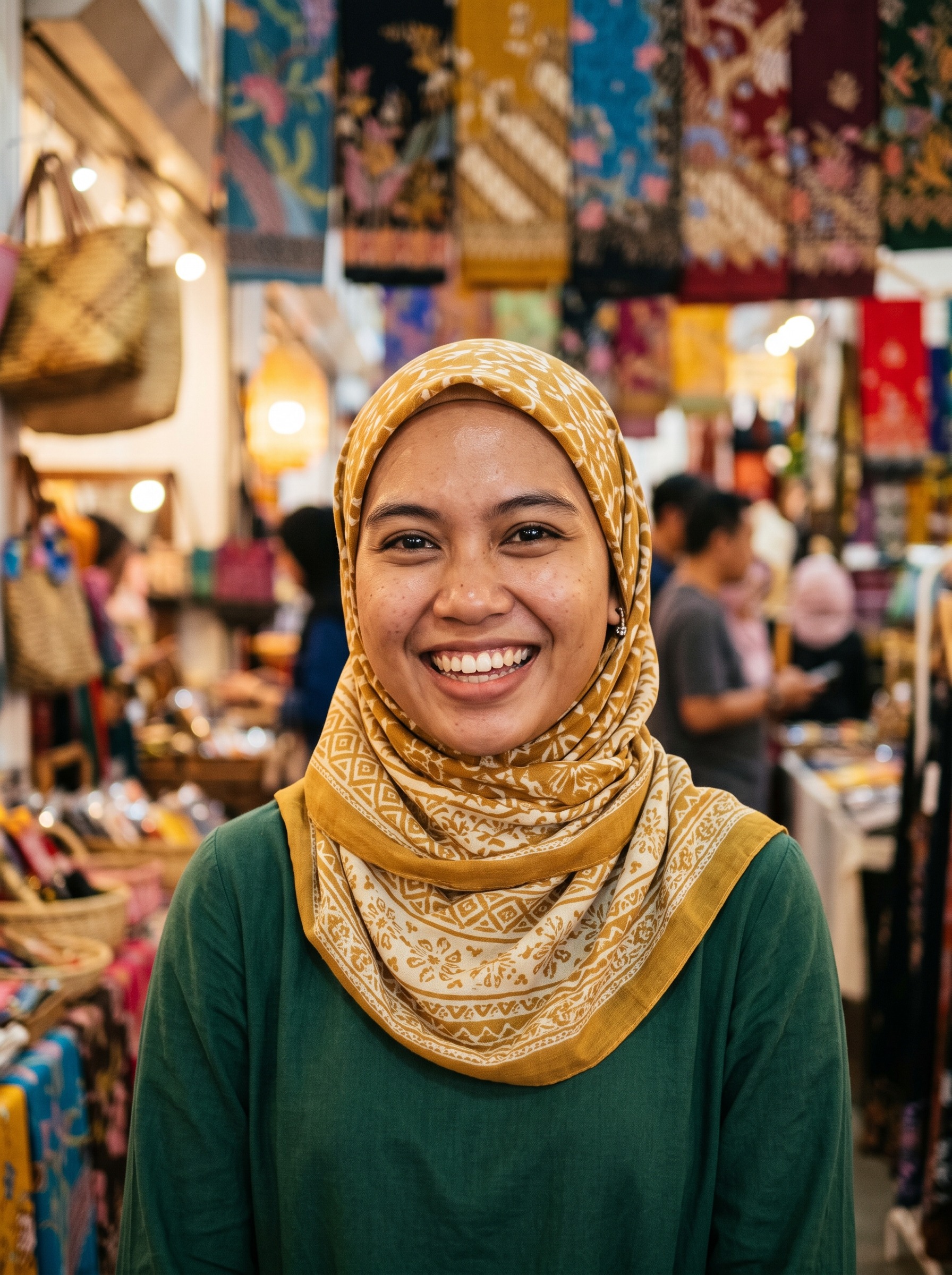

Step off the train at KL Sentral, cross one road, and the city changes its tune. The glass and steel of the transit hub loosens into garland stalls, filter-coffee steam and Tamil film songs spilling from shopfronts. Brickfields — Kuala Lumpur’s official Little India — is only a five-minute walk from the busiest station in the country, but it feels like a neighbourhood that has its own pulse, its own smell, its own appetite. Here, the day is measured in banana-leaf lunches, temple bells and the slow business of threading jasmine into offerings.
What Brickfields is known for
Brickfields wears its Tamil heritage out loud. The main drag, Jalan Tun Sambanthan, is lined with Pallava-style arches painted in reds and oranges, sari windows, spice shops and open-fronted stores with incense, dried goods and strings of fresh flowers hanging outside. The name itself goes back to the brick kilns that supplied the young colonial capital after an 1880s fire and flood; later, the railway brought Tamil and Sri Lankan workers, and the Indian identity settled in and stayed. In 2009, the stretch around Jalan Tun Sambanthan and Jalan Travers was officially christened Little India, with brick paving, lamp posts, an elephant fountain and all the pageantry a city can manage when it wants to announce a district. Then came the Torana Gate, a bright-orange free-standing arch at the Jalan Tun Sambanthan and Jalan Sultan Abdul Samad junction, made in India and gifted to Malaysia in 2015.

It is not a polished showpiece, and that is part of the charm. The streetscape has been let slide in places, with unauthorised banners draped over arches and even the Torana Gate itself, so the district photographs best in fragments: a row of marigolds here, a painted column there, a patch of red paving catching the light. But the everyday life is the point. Office workers from KL Sentral spill in at lunch, aunties come to market, pilgrims head for the temples, and the pavements stay busy and lived-in rather than staged. You hear Bollywood and Tamil pop from record shops, the ring of temple bells, the clatter of tin plates in banana-leaf houses. You smell ghee, curry leaves, cardamom and hot oil from the vadai stalls. Brickfields is one of those rare Kuala Lumpur pockets where a century-old Hindu kovil, a Sri Lankan Buddhist vihara, a Chinese temple and a Tamil Methodist church all sit within a short walk of each other. The mix is the whole story.
Where to eat & drink
If Brickfields has a religion, it is lunch. Banana-leaf rice is the local language, and the rivalry on Jalan Scott is half the fun. At Vishal Food & Catering, No. 22, the Chettinad spread is the sort that makes you plan your afternoon around a second helping: rice, papadum, curries, mutton varuval, stir-fried banana flower and whatever else is moving fast that day. It is the RM6-ish kind of meal that feels almost rude to call cheap, because there is so much of it and because the room is always full by midday.

Three doors down, Vishalatchi Food Catering asks a little more — around RM13 with a meat or fish dish and tea — and regulars will tell you the cooking feels more refined. The kitchen leans Tamil Nadu, with spices brought in from southern India, and the result is less shouty, more layered, the sort of meal you eat slowly even when the place is packed. I like that the two rivals sit so close together. It gives Brickfields a bit of street theatre without any of the fuss.
For vegetarian food, MTR 1924 on Jalan Thambipillay is the one people mention with a little reverence. It is the KL outpost of Bangalore’s century-old Mavalli Tiffin Room and a Michelin Bib Gourmand pick, which is a neat way of saying the dosa is worth crossing town for. The masala dosa is about RM12.50, the rava idli around RM13 — fluffy, soft and carrying the history of a 1940s rice shortage in its backstory — and the filter coffee arrives frothy and proper, as it should.
Saravanaa Bhavan on Jalan Tun Sambanthan is the dependable chain option: dosa, idli and thali, no drama, no surprises, just the sort of steady South Indian vegetarian meal that makes a neighbourhood feel usable as well as interesting. Then there is Annalakshmi, tucked in the basement of the Temple of Fine Arts on Jalan Berhala, where a pay-as-you-wish vegetarian buffet has been running since 1986 with volunteer staff. It is one of those places that changes the mood of a trip. You eat as much as you like and give what you feel, which somehow makes the meal taste more generous.
And because lunch in Brickfields can run into dessert without anyone complaining, there is Ah Keong’s ABC & Cendol on Jalan Padang Belia, a two-table husband-and-wife stall that has been at it for nearly six decades. The ais kacang, about RM4.50, is one of the best cold bowls in the city, and the cendol does exactly what it should after a hot walk. No theatrics, just relief.

Things to do / what to see
The temples are the anchor here, and the best way to understand Brickfields is to move between them on foot. Start with Sri Kandaswamy Kovil, tucked off Jalan Scott, a century-old Saivite Hindu temple with an ornate Dravidian gopuram crusted in painted deities. Entry is free, it keeps long hours — roughly 5:30am to 9:30pm — and photography inside is restricted, so this is a place to slow down rather than perform for the camera. The air around the temple is often thick with flowers and smoke, and the garlands outside are part of the scene, not decoration added for visitors.
A few minutes away on Jalan Berhala, the Buddhist Maha Vihara was founded by the Sinhalese community in 1894 and remains the focal point of Kuala Lumpur’s Wesak Day celebrations. Its lantern-lit procession is the oldest and largest religious parade in the country, drawing around 100,000 people. Even on a normal day, there is a sense of scale and calm to the place, a feeling that the neighbourhood has room for more than one faith and more than one rhythm.

Up on Robson Hill sits the six-tiered Thean Hou Temple, one of the region’s grandest Chinese temples, all red pillars, dragon carvings and skyline views. It is free to enter and especially photogenic at dusk, when the city starts to glow behind it and the carvings pick up the last warm light. Brickfields is full of these abrupt shifts: one minute you are in a Tamil street market, the next you are looking at a Chinese temple on a hill.
The cultural life does not stop at prayer. The Temple of Fine Arts on Jalan Berhala is a long-standing centre for Indian classical dance and music, with regular performances. It gives the neighbourhood another layer — not just food and ritual, but rehearsal, performance and the slow work of keeping tradition visible in a city that likes to move quickly.
The simplest pleasure, though, may be the street itself. Walk Jalan Tun Sambanthan and watch garlands being threaded, browse the spice and textile shops, listen to the shopfront soundtrack and let the district reveal itself in small, ordinary details. This is the kind of neighbourhood that rewards wandering more than planning.
{{ATTRACTIONS}}
Shopping & markets
Brickfields shops the way Brickfields eats: directly, daily, without much ceremony. Along Jalan Tun Sambanthan and the side lanes, sari and textile stores stack silk and gold-threaded fabric in dense, shining piles. Jewellery counters catch the light. Loose spices are sold by weight, as are dried goods, incense and religious supplies. Outside the temples, garland-makers thread fresh jasmine and marigold into offerings, and if you want one of the neighbourhood’s most photographed everyday scenes, that is it: hands working fast, flowers bright against the street’s dust and colour.
This is a good place to buy tea, snacks, Indian sweets and spices to take home for a fraction of mall prices. It is not curated retail; it is working commerce, which is much better. And if you do want air-conditioning, Nu Sentral sits right by KL Sentral on the edge of the district, with the usual chain stores, a cinema and a food court, linked by covered walkway so you never have to step fully into the heat. That contrast — century-old street trade one block, a glass-roofed mall the next — is very Brickfields.

Where to stay in Brickfields
Brickfields makes sense as a base because of transport first and everything else second. Being one road from KL Sentral means the airport train, the LRT, MRT, KTM Komuter and monorail are all within easy reach, which is gold if you are arriving late, leaving early or using Kuala Lumpur as a jumping-off point for Batu Caves or Melaka. The neighbourhood is more functional than scenic, so come for value and connectivity rather than charm or a pool with a view.
The hotels around KL Sentral and Nu Sentral are the most convenient and polished, with smart higher-end towers in that cluster. Deeper into Little India, the stays lean simpler and cheaper, more guesthouse than boutique. That is the trade-off. You get the transit, the food, the easy access to the city, and in return you accept that the area is unglossy, sometimes mid-renovation, and very much a working district. For many travellers, that is exactly the appeal.
{{HOTELS}}
Getting around
This is the best-connected neighbourhood in Kuala Lumpur, and the map matters less than the station names. KL Sentral sits on the edge of Brickfields and links the KLIA Ekspres airport train — 28 minutes non-stop to KLIA — plus the LRT, MRT, KTM Komuter and inter-city rail, with the monorail reached via a covered walk through Nu Sentral. The KL Sentral monorail station actually stands on Jalan Tun Sambanthan itself, and Tun Sambanthan monorail station serves the far end of Little India. From there, it is a five-minute walk across one road into the heart of the food streets.
The district is compact and flat, so once you are in, you cover it on foot. That is the point. You can move from temple to temple, then to lunch, then to dessert, without needing a car. For farther afield, the monorail gets you to Bukit Bintang in a few minutes, Grab is cheap and everywhere, and KL Sentral is your launch point for day trips and trains in every direction. Brickfields is not a neighbourhood you conquer. You simply keep walking, and it keeps giving.
FAQs
Is Brickfields a good area to stay in Kuala Lumpur?
Yes, if you care more about connectivity and food than polish. Being beside KL Sentral puts the airport train and every major rail line on your doorstep, and you can eat banana-leaf rice or dosa within a five-minute walk. It is mostly business-class and budget accommodation, so it suits transit-minded travellers, foodies and repeat visitors more than anyone chasing a glossy skyline stay.
What should I eat in Brickfields?
Start with banana-leaf rice on Jalan Scott at Vishal Food & Catering or Vishalatchi Food Catering. For vegetarian food, MTR 1924 does excellent masala dosa, rava idli and filter coffee, while Annalakshmi serves a pay-as-you-wish buffet. Finish with ais kacang or cendol at Ah Keong’s ABC & Cendol on Jalan Padang Belia.
What is Brickfields best known for?
It is Kuala Lumpur’s official Little India, known for Tamil heritage, banana-leaf restaurants, temple culture and the streets around Jalan Tun Sambanthan. The Torana Gate marks the entrance, and the area is also notable for its mix of Hindu, Buddhist, Chinese and Christian places of worship within a short walk.
When is the best time to visit Brickfields?
Lunchtime is best for the freshest, busiest banana-leaf rice. For atmosphere, come during Deepavali, usually October or November, when the streets are lit up and festive stalls appear, or around Wesak Day for the Buddhist Maha Vihara procession. Early mornings are calmest for temple visits.