Jakarta guide
Menteng, Jakarta: Garden-Suburb Calm, Heritage Houses and Late-Night Cocktails
Jakarta’s first garden suburb still feels like a city made to be walked: leafy avenues, antique markets, old coffee houses and some of the capital’s best Indonesian dining, all a short hop from Thamrin.
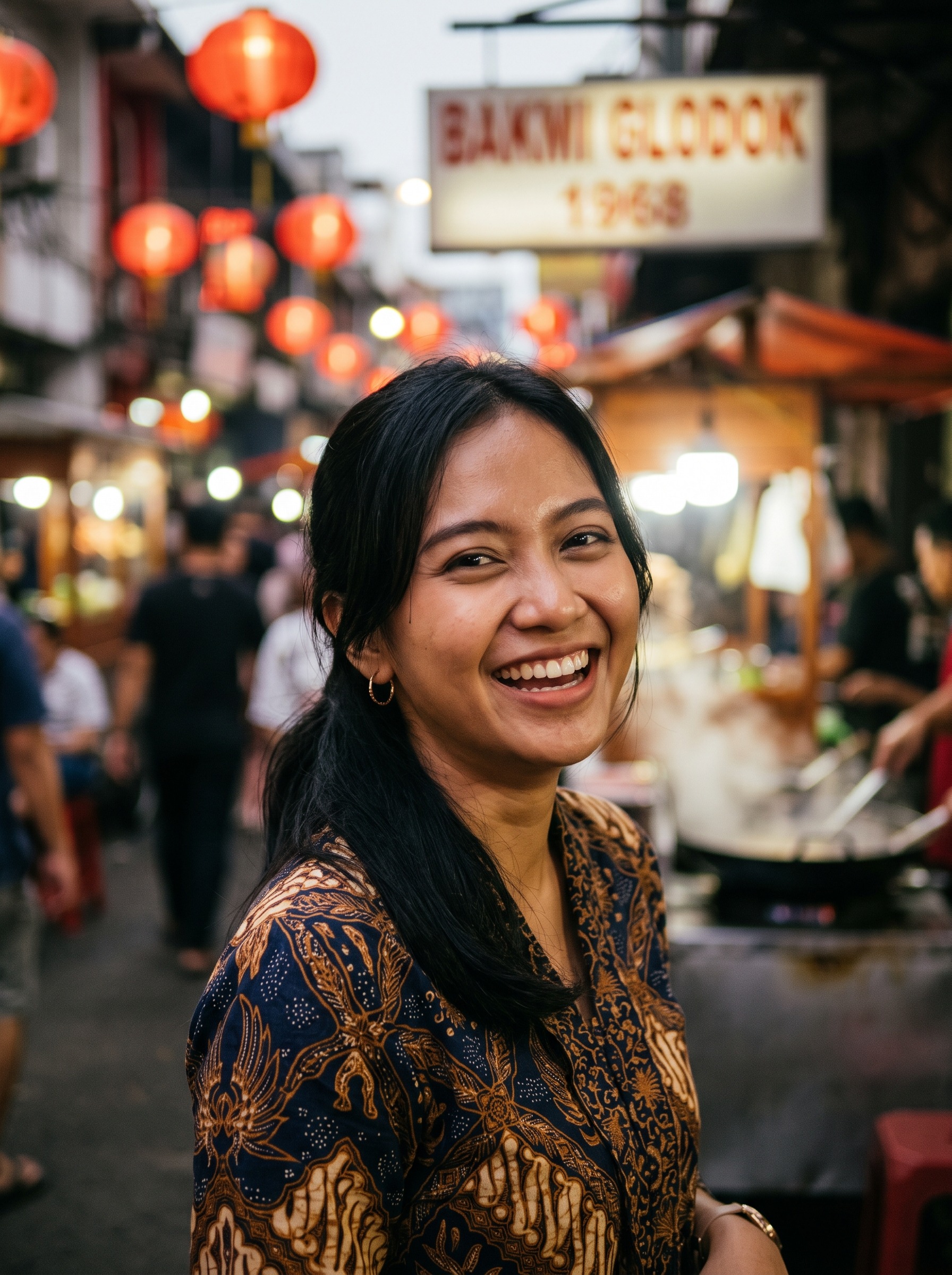

Menteng begins with shade. On a good morning, the trees along Jalan Imam Bonjol and Jalan Teuku Umar hold the light back just enough to make the pavements feel almost civilised, and that is not a word I use lightly in Jakarta. This is the city’s old experiment in order: a garden suburb drawn up by Dutch planners around 1910, when P.A.J. Moojen was sketching out a Batavia that would breathe. The plan survived. So did the quiet. So did the habit of hiding money and power behind walls rather than showing it off in a row of shop-houses. What you get now is a district where embassy compounds sit beside 1920s villas, where the traffic softens into a low churn, and where, if you know where to look, you can still find Jakarta’s oldest coffee house pouring Toraja beans in a colonial ruko.

What Menteng is known for
Menteng is Jakarta’s first planned garden suburb and, crucially, its most intact one. That matters because so much of central Jakarta has been bulldozed, rebuilt, or simply bullied by time. Here, the bones remain visible. The streets are broad, the corners are softened by roundabout gardens, and the architecture still tells the city’s colonial-era story in public, not behind glass. You can read the neighbourhood like a walkable archive: Art Deco villas, “Nieuwe Bouwen” houses from the 1920s, and the sort of diplomatic residences that make a street feel patrolled before you even see a guard post.
The heart of that story is Taman Suropati, the 1919 garden square where Teuku Umar, Diponegoro and Imam Bonjol meet. It was opened as Burgemeester Bisschopplein, which sounds exactly as formal as it was, and it remains the best place to understand Menteng’s temperament. In the evenings the park fills with joggers, buskers and free violin classes, while the ASEAN peace sculptures donated by member states lend the whole scene a slightly earnest, very Jakarta optimism. It is not a manicured museum piece. It is used.

A short walk west, Taman Menteng gives the district a different kind of green: modern, elevated, and built over the old Persija football stadium. Menteng likes this double act — one park historic and ceremonial, one park practical and contemporary. Between them, they keep the neighbourhood from tipping into the stiff, preserved mood that ruins so many heritage districts.
Then there is Cut Meutia Mosque, one of those only-in-Jakarta buildings that makes you stop mid-step and mutter, “Of course.” It was never designed as a mosque at all, but as a 1910s Dutch office block, the former De Bouwploeg building, another Moojen work. It has been a post office, a train-company office and even a Japanese Kempeitai headquarters before becoming a mosque in 1987. The prayer hall sits at a 45-degree angle inside because the building never faced Mecca. That detail alone tells you everything about Menteng: adaptation, not demolition; layers, not clean breaks.
Where to eat & drink
Menteng does Indonesian food in a handsome old house with unusual confidence. The district knows how to dress a table without turning dinner into a costume drama, though it can do that too if required. Start with Kaum, the Potato Head group’s archipelago-focused restaurant in a Dutch bungalow on Jalan Dr. Kusuma Atmaja. The point here is not a generic “Indonesian” menu, which is often code for a few safe crowd-pleasers and a lot of regret. Kaum goes regional, pulling from indigenous techniques and recipes across Sumatra and the eastern islands. That alone makes it worth the detour, especially if you want to eat your way through the archipelago without leaving central Jakarta.

A few streets over, Lara Djonggrang turns dinner into theatre. It is part restaurant, part antique cabinet of wonders, all candlelit rooms and royal-Javanese inspiration, the kind of place where the walls seem to have opinions. I say that fondly. The attached La Bihzad Bar is where the evening loosens its collar, and it is one of the better places in the district to have a post-dinner drink among Middle-Eastern-inflected antiques and low, flattering light. If you like your nightcap with a side of atmosphere, this is your room.
The Tugu group also runs Tugu Kunstkring Paleis on Jalan Teuku Umar, inside the 1914 Bataviasche Kunstkring art-society building. If Lara Djonggrang is a cabinet of curiosities, Kunstkring is a ceremonial hall with a memory. Its rijsttafel, the rice-table spread, is the headline act, and the setting gives it the kind of gravity most restaurants can only fake with expensive tableware and a playlist.
For a more polished, garden-set introduction to Nusantara flavours, Plataran Menteng on Jalan Cokroaminoto does refined Javanese, Balinese and Sulawesi dishes in a restored heritage house. It is one of those places that reminds you why Menteng became the city’s dining address for people who prefer old walls and proper trees to glass boxes and mood lighting. The house does a lot of the work; the kitchen has to keep up.
Coffee is a separate religion here. Bakoel Koffie on Jalan Cikini Raya traces its roots to 1878, which makes it Indonesia’s oldest coffee house, and that is not just a nice plaque for the wall. It pours single-origin beans from Aceh to Toraja in a colonial ruko near the old Cikini post office, and the room has the reassuring sense of a place that has seen every version of Jakarta come and go. Giyanti Coffee Roastery, near Jalan Surabaya, brings the modern specialist angle, small-batch roasting since 2012. Kedai Tjikini is the softer, more nostalgic counterpoint: old-Jakarta comfort food on Cikini Raya, beloved by the art-school crowd and exactly the sort of place where the afternoon can drift away without apology.

The price range in Menteng is broad enough to suit both a serious lunch and a small celebration: coffee can sit around IDR 30,000–70,000, while dinner at the heritage restaurants can climb to IDR 300,000-plus. That is not cheap, but neither is it surprising for a district that likes its manners and its mortar.
Going out
Menteng does not do chaos after dark. That is its charm and, for some people, its limitation. The bar scene here is about cocktails tucked into old houses and hotel lounges, not a strip of clubs shaking the pavement until sunrise. If you want a proper late-night blowout, Senopati and SCBD are the places that justify the taxi ride. Menteng is where you begin the evening with something better made.
The reliable choice is Dashed & Brown on Jalan Dr. Kusuma Atmaja, a moody cocktail bar in the GIOI building that stays open from early evening into the small hours. It is well regarded for a reason: the drinks are carefully built, globally minded, and strong enough to remind you that Jakarta’s alcohol taxes are no joke. Expect cocktails to land around IDR 120,000–180,000 even here, which is why people in this town tend to order with intent.
La Bihzad Bar, hidden inside Lara Djonggrang, is the quieter, more atmospheric route. It is the sort of place where the room itself does half the entertaining, and the rest is the pleasure of not being rushed. If Menteng has a nightlife philosophy, it is this: sit down, drink slowly, and let the antiques do the talking.
Things to do / what to see
The best way to understand Menteng is on foot, with no agenda beyond looking up. Start at Taman Suropati, then loop the ASEAN sculptures and wander the residential blocks along Jalan Imam Bonjol and Jalan Teuku Umar. The villas are the point. Many now serve as embassies, which means the exteriors are what you get, and honestly that is enough. The neighbourhood rewards a slow pace and a curious eye; it is one of the few parts of central Jakarta where a walk feels like a form of reading.

Work east toward Cikini, the district’s more bohemian edge, where the tone changes. Here the art students, secondhand bookstalls and cheap kopi take over, and Taman Ismail Marzuki (TIM) on Jalan Cikini Raya anchors it all. Rebuilt in 2022 by Andra Matin, the complex now holds theatres, exhibition galleries, the city’s main library and the Kineforum indie cinema. That mix — stage, screen, books, and the occasional student lingering over a drink — gives Cikini a pulse that feels younger than the rest of Menteng, but still properly rooted in the city.
The other essential stop is the Jalan Surabaya antique market, a roughly 450-metre single-sided run of stalls selling Dutch porcelain, old vinyl, brass, cameras, wayang masks and the sort of “antique” curios whose authenticity ranges from plausible to heroic. That is half the fun. The market is a five-minute walk from Cikini station, most stalls open from mid-morning to around 5pm, and haggling is expected and enjoyed. Bring patience, small cash, and a sense of humour. The first price is theatre; the real price is the conversation.
If you time your visit for a Sunday morning, the nearby Thamrin corridor’s Car Free Day — roughly 05:30 to 10:00 — turns the city’s main avenue into a jogging, cycling and street-food carnival on Menteng’s doorstep. It is one of Jakarta’s great democratic rituals, and from Menteng it feels close enough to borrow without having to endure the full crowding of the boulevard itself.
{{ATTRACTIONS}}
Shopping & markets
Menteng’s signature shopping is not a mall. It is Jalan Surabaya, the city’s best-known antique and flea market, where the hunt matters more than the label. You can dig for Dutch colonial porcelain, vintage cameras and telescopes, old coins, ship lamps, wooden masks, batik and vinyl records, all while vendors perform the ancient and highly local art of the opening price. They are practised English-speaking hagglers, so counter low and do not be embarrassed to walk away. In fact, that is part of the ritual.
The street rewards early arrival before the heat and, above all, patience. Treat “antique” loosely. Plenty is reproduction, and nobody is really here for provenance alone. They are here for the chase, for the possibility that one stall has a genuine piece of Dutch porcelain and the next has a painted souvenir that will look brilliant on your shelf anyway.
For everyday retail and air-conditioning, the western edge of Menteng runs into the Thamrin shopping corridor, where Grand Indonesia and Plaza Indonesia deliver full malls a short ride away. Sarinah, Indonesia’s first department store and recently reopened, is the better stop if you want curated local batik, crafts and design without disappearing into a luxury maze. And if you are already wandering, the nearby Jalan Sabang (Jalan Agus Salim) food street is more about eating than shopping, but it is worth the detour for classic Jakarta snacks and the general pleasure of a street that knows exactly what it is for.
Where to stay in Menteng
Menteng suits travellers who want to be central, calm and green rather than plugged into a mall-and-tower district. The quiet residential blocks around Taman Suropati and Jalan Imam Bonjol give you leafy streets and easy walks to restaurants, with a mix of boutique heritage stays and serviced apartments. Toward the western edge by Bundaran HI and Jalan Thamrin, you step up into the international five-star tier and the mall corridor, trading Menteng’s quiet for skyline views and direct MRT access. The eastern Cikini pocket is cheaper and more bohemian, close to TIM, the antique market and the KRL station, and handy if museums and cafes matter more than polish.
Overall, the price feel is mid-range to upscale: less expensive than SCBD’s glass towers, calmer than the nightlife districts, and about as central as Jakarta gets.
{{HOTELS}}
Getting around
Menteng is one of the few Jakarta districts genuinely worth exploring on foot, at least in the cooler morning and evening hours. The garden-suburb grid has real pavements, which in this city is basically an amenity category. For longer hops, the neighbourhood is well wired. Two KRL commuter-rail stations sit inside it: Gondangdia and Cikini, both on the Bogor (Red) Line, linking north to Jakarta Kota and south through Manggarai. The MRT’s north–south line runs just west along Jalan Thamrin, with Bundaran HI station on Menteng’s edge putting the malls and the wider metro within a short walk or ride.
TransJakarta bus corridors thread the arterials, and Gojek and Grab ride-hailing — car or motorbike — is cheap, ubiquitous and the default for most visitors. Soekarno-Hatta airport is roughly 45–75 minutes by car depending on traffic, or you can connect via the airport rail from Manggarai or BNI City. Central sights like Monas and Kota Tua are 10–30 minutes away by rail or car.
Menteng’s practical appeal is simple: it gives you breathing room without exiling you from the city. You can have breakfast under old trees, bargain over porcelain by lunch, drink a very decent cocktail after dark, and still get back to your hotel without feeling you have crossed half of Greater Jakarta. In a city that often runs on speed and volume, that is a rare kind of luxury.
FAQs
Is Menteng a good area to stay in Jakarta?
Yes. If you want a central, walkable and green base rather than a mall-and-tower district, Menteng is one of the best choices. It is quiet, relatively safe, close to heritage villas, museums, the Jalan Surabaya antique market and good Indonesian restaurants, with KRL access and MRT access on its western edge.
What is Menteng famous for?
Menteng is famous as Jakarta’s first planned garden suburb, laid out by Dutch planners from around 1910. It is known for its 1920s Art Deco villas, tree-lined avenues, Taman Suropati, the Jalan Surabaya antique market, Bakoel Koffie, and the Taman Ismail Marzuki arts complex in Cikini.
Is Menteng safe for tourists?
Menteng is one of the calmer parts of central Jakarta, helped by embassy compounds, regular patrols and generally quiet residential streets. Use normal big-city caution: watch traffic, keep valuables discreet, and haggle firmly at the antique market, where inflated first prices are part of the game.
What should I eat or drink in Menteng?
For Indonesian food in heritage settings, try Kaum, Lara Djonggrang, Tugu Kunstkring Paleis or Plataran Menteng. For coffee, Bakoel Koffie, Giyanti Coffee Roastery and Kedai Tjikini are the names to know; for drinks, Dashed & Brown and La Bihzad Bar are the best evening bets.