Granada guide
Realejo, Granada: tapas, street art and the old quarter beneath the Alhambra
Granada’s former Jewish quarter is now the city’s most lived-in place to drink, graze and wander, where free tapas, El Niño de las Pinturas and late-night terraces share the same steep lanes.
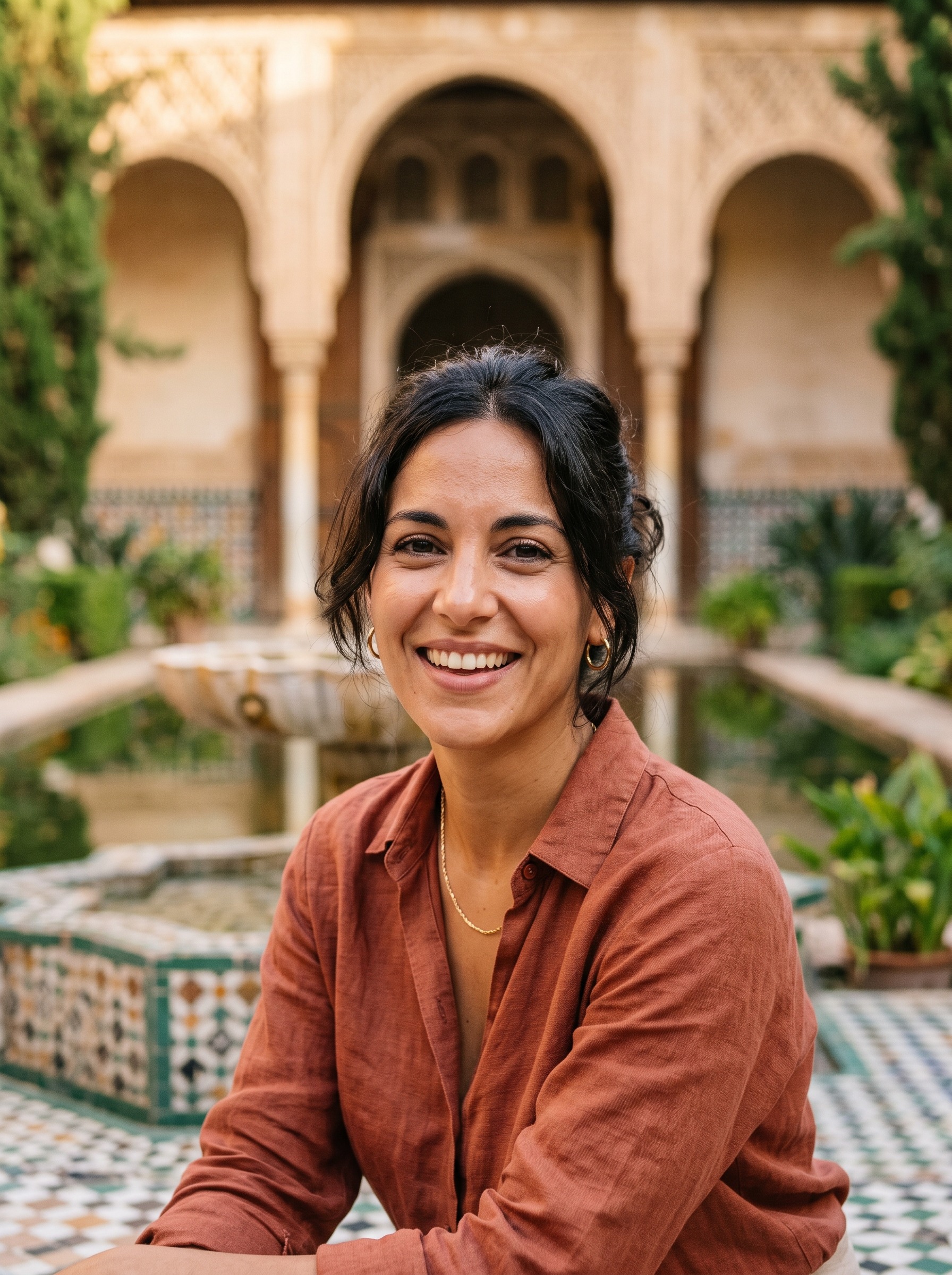

Realejo begins with a climb and a habit. The climb is the one up from Granada’s centre, where the streets tighten and the hill starts to work in your calves. The habit is simpler: order a caña around Campo del Príncipe and a plate of tapas turns up as if by law, no menu required, no drama, no explanation. That is Realejo in a line. A barrio that was once Granada’s Jewish quarter, then was razed, rebuilt and renamed, and is now where students, artists and off-duty granadinos come to drink as if dinner were an afterthought. The walls are tagged, the shutters are painted, the lanes are steep, and the whole place feels worn in the right places. Not polished. Thank God.
What Realejo is known for
Three things hold this barrio together, and they are not subtle. First, history. Realejo was Granada’s Jewish quarter, Garnata al-Yahud, until 1492, when expulsion changed the city’s map and the quarter was rebuilt as El Realejo. That old violence is still visible in the shape of the streets: medieval, illogical, too narrow for your modern sense of entitlement. Churches sit where older foundations once did. The hill keeps its memory. You feel it underfoot.
Second, tapas. Granada is one of the last places in Spain where the complimentary tapa still behaves like a promise rather than a gimmick, and Realejo is the barrio where the ritual feels most alive. Here, you do not so much choose dinner as drink your way through it. One beer, one glass of local wine, one plate that appears without fuss. Then another. The bill at the end is almost insulting in its modesty.
Third, street art. Raúl Ruiz, better known as El Niño de las Pinturas, grew up making his name here and still lives in the barrio. His portraits of children and old men, usually carrying a line of poetry, spill across shutters and corners off Calle Molinos. The famous “giraffe of the Realejo” has been repainted so many times it feels like a local weather system. This is the most-photographed street-art quarter in Andalusia for a reason: the work is not decoration dropped in by committee. It belongs to the walls.
Campo del Príncipe is the barrio’s living room. Broad, open, laid out in 1497 over a former Muslim cemetery, ringed with terraces and always slightly louder than you expect by the time the light goes soft. At its edge stands the Cristo de los Favores, a jasper-and-alabaster crucifix from 1640. Every Good Friday at 3pm a silent crowd gathers there to ask it for three wishes. Granada does not do sentiment cheaply, but it does do ritual well.

The upper lanes are another story. Steep, residential, whitewashed, with laundry strung across gaps and cats asleep on warm stone. You climb and the sound changes. The lower streets around Campo del Príncipe are for the evening surge; the higher ones are for living. Realejo feels scruffy, warm and unpretentious, like a neighbourhood that has decided not to perform for you. It rewards anyone willing to slow down.
Where to eat & drink
The smartest thing to do in Realejo is graze. Let the tapa choose the bar, then let the bar choose the next stop. That is the rhythm. No one comes here to sit down and heroically conquer a single tasting menu while pretending to be above the rest of the city. Realejo is a moving meal.
Start at Casa de Vinos La Brujidera on Calle Monjas del Carmen 2, a wood-lined wine house with more than 200 wines and vermouths by the glass. Each pour is chalked up with its price and origin, which is the sort of detail that makes a place feel honest before you’ve even taken a sip. A chef-chosen tapa arrives with the drink. That is the deal. That is the charm.

If you want a quieter glass, Bar Jaraíz on Sacristía de Santa Escolástica is the local answer. Small room, paintings on the walls, students at the tables, and pours from someone who knows what they’re doing. It is the kind of bar that does not need a sign outside shouting about authenticity because the people inside are already doing the talking.
For a genuinely odd and very good detour, climb to El Jergón at Cuesta del Realejo 10. It is a cave bar, which in Granada means you should expect atmosphere to arrive before the food does. Flamenco and jazz play at all hours, and the complimentary tapas go vegetarian in a way that feels intentional rather than apologetic: spoon-sized migas with pomegranate, chard with chickpeas, €2–4 a round. That is a proper bargain, and a better one than most places that charge twice as much for less soul.
Vegetarians with more time should head to Restaurante Vegano Hicuri on Plaza de los Girones 4. The walls are covered in murals, and the daily fixed menu is a good-value answer to the question of what to do if you want to stay in Realejo but not live on fried things and wine. There is room here for a slower lunch, which is useful because Realejo can otherwise persuade you that every meal should be a bar hop.
For the fried-fish faithful, Bar Los Diamantes II on Campo del Príncipe is the old Granada classic in its Realejo branch. The frituras arrive generous with each caña — calamari, whitebait, the lot — and the price sits around €3. It is not subtle. It is not supposed to be. Some neighbourhoods have a signature dish; Realejo has a habit of making you order another round.

Then there is Potemkin on the tiny Placeta del Hospicio Viejo, which serves sushi as its tapa on Wednesdays and Saturdays. That is the kind of sentence that would sound absurd anywhere else and perfectly normal here. Sit on the sunny terrace and let the neighbourhood be what it is: a place where the old free-tapa ritual can hold a plate of sushi without breaking stride.
Going out
Realejo is the barrio granadinos name first when they tell you where to go out. That matters. It means this is not a neighbourhood assembled for visitors after the fact. It already had the habit. It already had the bars. It already had the late nights.
There are two speeds. The first is the easy crawl: terraces around Campo del Príncipe, a wine at La Brujidera, another at Jaraíz, tapas arriving as the evening stretches out. This is the version of the night that never quite becomes a club night, even if it gets very late. You can spend hours here and still feel as though you’ve only wandered between glasses.
The second speed lives underground. Quilombo, or Sala Quilombo, is the cult small room of the barrio — intimate, Moorish-tinged decor, a young crowd, and a booking policy that leans on house and techno DJs from around Europe. It runs well into the early hours. The dancefloor does not pretend to be anything other than a basement that knows exactly what it is for.

The timing is late by any northern-European standard. Bars fill from around 11pm. Dancefloors do not really warm up until 1am. Weekends around the square are noisy until closing, and if you are looking for an early, whisper-quiet night, you are in the wrong barrio and probably in the wrong city. But the noise here is good-natured. The streets are busy rather than empty. That changes everything.
Things to do / what to see
The best thing to do in Realejo is walk without a plan, then pretend you meant to. Start on the lanes off Calle Molinos and drift downhill through the El Niño de las Pinturas street-art walk. You will pass shutters and corners painted by Raúl Ruiz: faces, poems, children with wide eyes, old men with the kind of expression that suggests they have already seen the joke. Some pieces reappear year after year, repainted rather than replaced. That matters. The barrio is not a museum. It is a wall that keeps being used.

Then go up. The Fundación Rodríguez Acosta sits on the hill above the barrio at Callejón Niño del Royo 8, a Carmen with terraced geometric gardens and views over the Vega plain and the Sierra Nevada. It is one of those places that reminds you Granada is not only a city of streets but of slopes and sightlines. Hourly guided visits run around €5, roughly 10am–2pm. The gardens step down in a way that makes the whole place feel composed rather than planted.
Back down in the barrio, the Casa de los Tiros is worth a stop. This 16th-century mansion is now the city’s history museum, and its name comes from the small artillery pieces that bristle from the building. Above the door, the family motto reads El corazón manda — the heart rules. Granada likes a flourish, but this one earns its place.
And then there is the Cristo de los Favores on Campo del Príncipe, the 1640 crucifix moved to its lantern-lit corner in 1682 and still the focus of Granada’s most-watched Good Friday ritual. Even on a normal day, it asks you to pause. The square around it is busy with terraces and chatter, but the crucifix keeps its own gravity.
{{ATTRACTIONS}}
Shopping & markets
Realejo is not where you come to shop in the usual sense, and that is part of the charm. There is no high street to conquer, no retail sprint to justify a new tote bag. Instead you get the accidental kind of browsing that suits a neighbourhood built for wandering: artisan and craft studios, art and design galleries that have moved in on the back of the street-art scene, second-hand and vintage corners, the odd guitar or ceramics workshop tucked between the bars.
Campo del Príncipe and the streets feeding into it host occasional stalls and seasonal fairs rather than a fixed daily market. That feels right. Realejo is a place for stumbling across things between drinks, not planning a shopping expedition around them. If you want the covered market, the big-name streets, the teterías and Moroccan bazaars of the Alcaicería, you can walk down into Centro in ten minutes. But if you stay here, you are buying atmosphere, not retail.
Where to stay in Realejo
If you want to be central and among locals without paying Centro’s tourist premium, Realejo is the smart choice. The barrio splits by altitude, and that matters more than most hotel websites admit. Lower Realejo, down toward Plaza Mariana Pineda and the edge of Centro, is flatter, quieter and easier if you are arriving with a suitcase. It is the sensible end of the neighbourhood, which in Granada still means you are a short walk from everything.
Around Campo del Príncipe, you are in the thick of it. Brilliant if you want to step out and go straight into terraces, tapas and nightlife. Less brilliant if you need silence to sleep. Higher up toward the Alhambra woods, the lanes get steeper and more stepped, and you trade convenience for atmosphere and views. That is the bargain.
The area runs from budget hostels and small guesthouses to boutique carmens, with one landmark address standing above the rest: Hotel Alhambra Palace, a Moorish-style grande dame open since 1910, set on the ridge between Realejo and the Alhambra. It is five minutes’ walk from the palace itself and about twenty down into town. The hotel does not pretend to be a secret. It is part of the skyline.
Expect mid-range value overall, with a few genuine splurges on the upper slope. This is a good barrio for travellers who want local life on the doorstep and do not need the city to iron itself flat for them.
{{HOTELS}}
Getting around
Realejo is walkable, but it is not flat. Lower Realejo is manageable; the upper barrio is steep and stepped enough to make you respect your shoes. Pack grip. Do not expect to wheel luggage far uphill and stay cheerful about it. Granada has a way of teaching that lesson quickly.
The barrio sits directly southeast of the cathedral. From Plaza Isabel la Católica or Plaza Mariana Pineda, you are five to ten minutes from the heart of it. Centro’s main sights are all within fifteen minutes on foot, which is why people stay here when they want to be close without being swallowed by the tourist core.
The little red Alhambra minibuses — lines C30, C32 and C35 — run from Plaza Nueva and Plaza Isabel la Católica up through and around the barrio. They are handy for the climb, and especially useful if you are heading to the Fundación Rodríguez Acosta. If you are walking, the cobbled, stepped Cuesta del Realejo climbs from Campo del Príncipe past the fountain by the Convent of Santa Catalina de Siena and up toward the monument in roughly fifteen minutes. That is Granada in miniature: a short distance that still asks something of you.
Federico García Lorca airport is about 20–30 minutes by taxi, roughly €30, or you can reach the centre by airport bus. There is no metro stop in the barrio, and driving in is best avoided because the lanes are narrow and access is restricted. Realejo is a neighbourhood for feet, not for engines. That suits it.
FAQs
Is Realejo a good area to stay in Granada?
Yes, if you want central, local and lively rather than quiet. It’s one of the best bases for tapas and nightlife, a short walk from Centro and close to the Alhambra, with better value than the tourist core. If you sleep lightly, choose lower Realejo away from Campo del Príncipe.
Is Realejo safe at night?
Broadly yes. It stays busy with students, locals and drinkers well into the early hours, so the streets feel lively rather than empty. Use normal city-centre caution late at night around the busiest bar clusters, especially near Campo del Príncipe.
How do the free tapas work in Realejo?
Order a drink — a caña, a glass of local wine or a vermouth — and a tapa arrives with it at no extra cost. In Realejo, that’s the whole game: have a round or two at different bars and you’ve basically had dinner.
What is Realejo best for?
Tapas, wine and vermouth, street art, and late nightlife. It’s also a good choice for travellers who want a more lived-in side of Granada, with the Alhambra close by and plenty to see on foot.