Granada guide
La Chana, Granada: the barrio that feeds you properly
A working-class Granada neighbourhood where the free tapas are the headline, the streets are plain, and the plates arrive heavy.
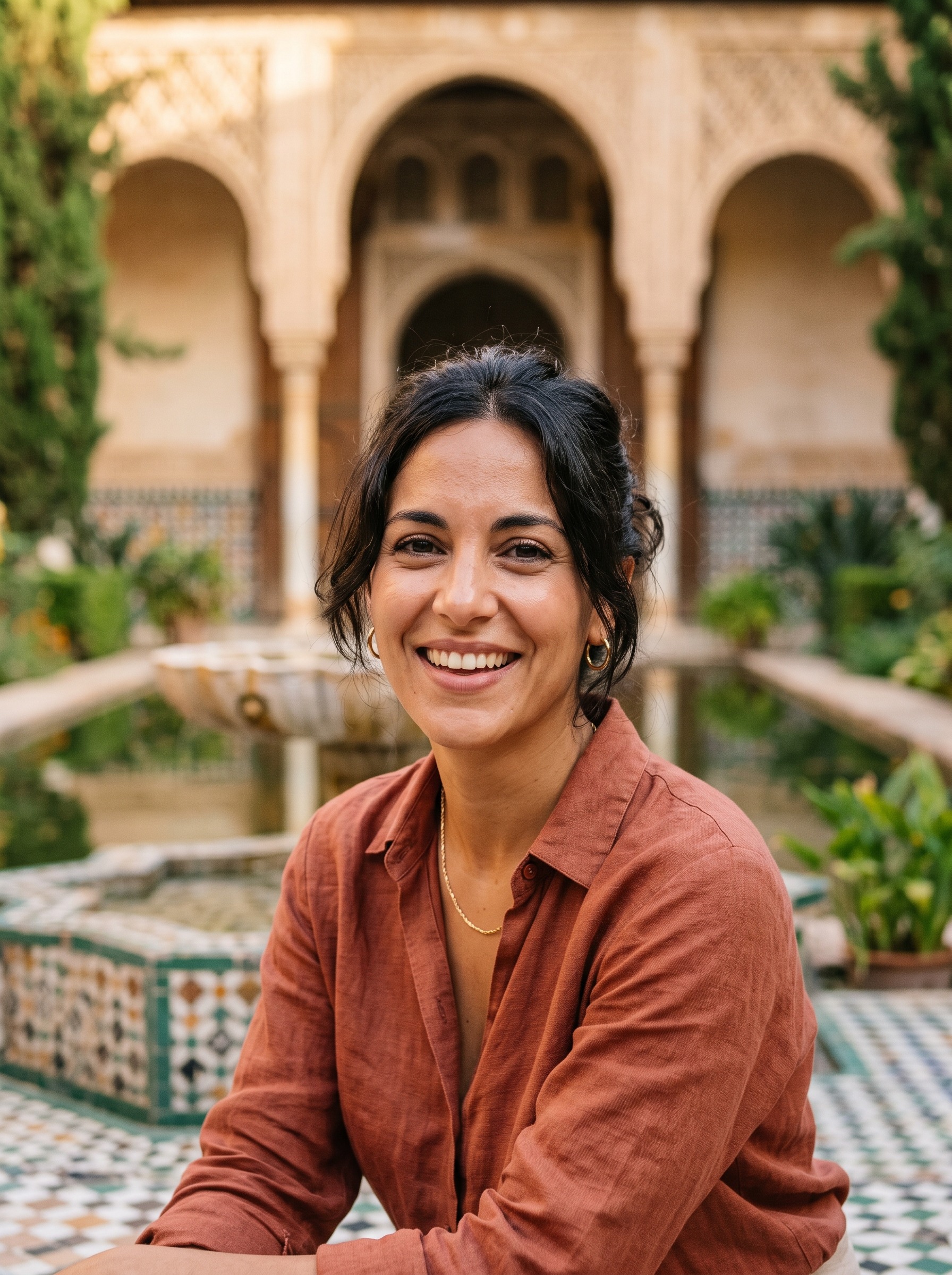

Order a caña at Bar Teruel on Calle Salmon and a plate of fried calamares lands beside it, unbilled, the size of a small dinner. That is La Chana in one clean gesture: not a neighbourhood of postcards, but a place that feeds you properly and expects you to understand the bargain. Here, on Granada’s north-western edge, the city loosens its tie. The Alhambra crowds stay elsewhere. The cathedral crowds stay elsewhere. What you get instead is a grid of low blocks, old benches, market chatter, and bars that know exactly how generous they need to be to keep a local loyal.
What La Chana is known for
La Chana’s fame — such as it is — rests on tapas, and on the stubborn refusal to make a performance of them. This is the barrio Granadinos name when they want the free-tapa tradition at its most generous and least touristy: order a drink and a substantial plate arrives with it, no menu, no upcharge, and after two or three rounds you’ve effectively had dinner for the price of the beers. The portions here are larger than in the centre because the audience is local and the rents are lower. That’s the arithmetic. The rest is atmosphere: clattering plates, Andalusian chatter, a room where nobody is trying to impress anybody.
La Chana grew in the 1950s and 60s as housing for railway workers and families arriving from the countryside, and you can still feel that practical origin in the bones of the place. It sits in Granada’s north-western corner, hemmed in by the old Granada-Bobadilla rail line and Avenida de Andalucia, and its commercial spine is Calle Sagrada Familia. The bars that matter are not polished destinations; they’re the sort of unremarkable-looking places that keep a neighbourhood alive. Around the Carretera de Malaga, especially near the Lidl and the Las Torres and Sagrada Familia pockets, the side streets do the real work.
The name itself is said to come from an old roadside inn, a venta called La Chana, that once stood at the entrance to the road to Malaga. That feels right. This is transport-adjacent Granada, a place of arrivals, shifts, errands, school runs, and long lunches. It wears no gloss. It doesn’t need to. It has one of the most generous free-tapas cultures in the city, and for many people that is more than enough reason to come.

Where to eat & drink
The single name every list agrees on is Bar Teruel, on the corner of Calle Salmon since 1982 and, for many locals, the definitive La Chana bar. You go for a drink and the house answer is fried calamares, free with the caña, crisp and filling and exactly the sort of tapa that makes you stop pretending you only wanted one beer. It is not subtle. It is not meant to be. Bar Teruel also does oversized plates like barbecued ribs for around 14 euros, easily shared, with chips and peppers, and extra tapas run about 2 euros each. That is the rhythm here: one drink, one serious plate, no drama.

A few streets over, El Arenal on Calle Virgen del Monte is the other perennial local favourite, trading on sheer size. Think calamares with potatoes, chicken burgers on sesame rolls, croquetas and montaditos that regulars describe as inconmensurables. That’s the point: nobody comes here to count calories or admire garnish. People come because the food is plentiful, cheap, and honest enough to make a second round feel like a sensible decision.
Bar Marrakesch, on Calle Raya, has a different kind of pull. It is beloved for its carne en salsa picante — a spicy stewed-meat sandwich locals rate as one of the best in the barrio — alongside a proper bocadillo de calamares. If La Chana has a hot-blooded side, this is where you find it. The bar fills with the kind of easy noise that tells you the evening has begun properly, not because the clock says so but because the tables do.
Then there is La Locura del Rey, a warm family-run stop for sausage bocadillos and meat in sauce, and La Bodeguita, which does homely tapas like meat sandwiches, paninis and fried eggs with chips. Neither is trying to reinvent anything. Both understand the old rule: if you serve people well, they come back with their cousins.
If fish is what you want, El Ancla Chana, out by the sports centre with an outdoor terrace, plates up fresh fried-fish and seafood fritura that draws people from across the district. It has the feel of a place for long, practical meals — the sort that begin as a quick stop and end with someone leaning back in their chair, loosening a belt, and insisting they really should have stopped half an hour ago.

Going out
La Chana is not a night-out destination and doesn’t pretend to be. There are no cocktail bars, no clubs and no late scene. The barrio’s version of a night out is a long, sociable tapeo that rolls from one bar to the next, drink and free plate at each, until you’re full and it’s late enough to go home. That sounds modest only if you’ve never seen a room full of people happily working through it.
The lively stretch is the Sagrada Familia cluster and the bars around Bar Marrakesch, which get properly busy from around 8pm onwards, packed with locals and students from the nearby Fine Arts faculty and engineering school. It’s a mix that works: neighbourhood regulars, younger faces, people who know each other, people who don’t, all of them standing at the bar or squeezing around tables with the easy patience of a place that has never had to reinvent itself for outsiders.
If you want the sort of night that runs past midnight with cocktails, DJs and terraces buzzing, you will be heading into the centre. Realejo, Centro and the streets around Calle Elvira and Pedro Antonio de Alarcon are where Granada’s nightlife concentrates, and Line 4 or a short taxi will get you there in well under fifteen minutes. La Chana is for the prelude, not the performance. Come here to eat well, drink cheaply, and leave with the pleasant weight of a neighbourhood that has done its job.
Things to do / what to see
The honest answer is that people do not come to La Chana to sightsee — they come to eat, or they live here. There is no monument, no viewpoint, no museum. What there is, is the texture of an ordinary Granada barrio, and that is worth an hour’s wander if you want to see the city without the stage lighting.
The weekly Mercadillo de La Chana is the best place to catch the neighbourhood at full volume. It runs Wednesday mornings from roughly 10am to 2pm, and it is all practical life: stalls of fresh fruit and vegetables, cheap clothes, shoes, housewares and textiles, and a crowd of regulars haggling and gossiping. It is not scenic in the brochure sense. It is better than that. It is alive.

Otherwise, the pleasure is low-key. Sit for a coffee on a plaza bench among the older residents. Drift along Calle Sagrada Familia and look at the everyday shops that keep the barrio functioning. Let the side streets off the Carretera de Malaga guide you. Start near the Lidl and Calle Delfin, then follow your nose towards Bar Teruel and outwards. That self-guided tapas route is the closest thing La Chana has to an itinerary, and it is the right one. Come hungry. Pace yourself. Let the free plates do the planning.
{{ATTRACTIONS}}
Shopping
Shopping in La Chana is functional, not boutique. Calle Sagrada Familia is the commercial artery — a run of everyday shops, cheap clothing and footwear outlets, hardware and household stores, and the kind of no-nonsense retail that serves residents rather than visitors. You will not find design stores or souvenir shops, and that is rather the point. This is where people buy what they need, not what they want to photograph.
The one genuinely worth timing your visit around is the Wednesday-morning Mercadillo de La Chana, a traditional open-air mercadillo running from about 10am to 2pm with fresh fruit and veg, inexpensive clothes, shoes, textiles and housewares. It has the lively, neighbourly atmosphere that makes even a shopping errand feel like a minor social event. For anything beyond the basics — bookshops, fashion, department stores — the centre around Calle Recogidas and Camino de Ronda is a short bus ride away.

Where to stay in La Chana
La Chana’s appeal as a base is simple economics: rooms and apartments here cost noticeably less than anything near the Alhambra or the cathedral, which makes it a smart pick for budget travellers, longer stays, and anyone happy to trade a central location for value. The trade-off is real — you are a bus ride or a short taxi from the major sights, not a walk — so it suits people planning to use public transport, staying a while, or prioritising a bigger, cheaper apartment over proximity.
Within the barrio, the pockets around Calle Sagrada Familia and the side streets off the Carretera de Malaga put you closest to the tapas action and the bus lines into town. It is a quiet, residential, safe place to sleep — the noise is daytime market-and-traffic, not late-night party. Come here for space, savings and an authentic neighbourhood; look to Centro, Realejo or the Albaicin instead if walking distance to the monuments is what matters most.
{{HOTELS}}
Getting around
La Chana sits in Granada’s north-west, and the workhorse connection to the centre is Line 4, the reorganised route that folded in the former SN4 and the high-capacity LAC. It links La Chana with the city centre and, in the other direction, the Zaidin district. From Gran Via by the cathedral you can also reach the barrio directly by city bus. The centre is roughly a 10-minute taxi from Plaza Nueva, or about a 40-minute walk if you would rather stretch your legs.
Once you are in the barrio, it is flat and completely walkable. The tapas cluster off the Carretera de Malaga is an easy stroll, and you will cover it on foot bar to bar. For the Alhambra and Albaicin, you will want the bus or a taxi into the centre and then the relevant connections. Granada’s airport is out to the west toward Chauchina, roughly 15–20 km away, reached by taxi or the airport shuttle bus from the centre; there is no direct rail into the barrio itself.
La Chana is the sort of place that rewards simple expectations. Come for the food, not the fantasy. Come for the free tapa that is not really free in the moral sense because someone has cooked enough of it to make you stay for another round. Come for the older neighbours on the benches, the market on Wednesday, the bars where a sandwich can be a proper meal. Granada has grander addresses. La Chana has lunch.
FAQs
Is La Chana a good area to stay in Granada?
Yes, if your priority is value or a longer stay. Rooms and food are cheaper than in the centre, and the tapas are outstanding. It is a residential barrio and a bus ride from the Alhambra and Albaicin, so it suits budget-minded travellers who are happy to use transport more than first-timers who want the monuments on the doorstep.
Is La Chana safe?
Yes. It is a quiet, working-class residential neighbourhood where families live and older residents sit out on the plazas. Usual big-city awareness is enough.
Why do people go to La Chana if there are no sights?
Almost entirely for the tapas. La Chana has one of Granada’s most generous free-tapa traditions: order a drink and a filling plate comes with it, in portions bigger and cheaper than the centre. Bars like Bar Teruel, El Arenal and Bar Marrakesch are the draw.
What is the best day to visit La Chana?
Wednesday morning is the best time if you want the Mercadillo de La Chana, which runs roughly from 10am to 2pm. For tapas, early evening is when the bars start to fill up.