Delhi guide
Paharganj, Delhi: The Backpacker Bazaar That Never Learned to Whisper
A loud, cheap, gloriously unpolished slice of central Delhi where the Main Bazaar, station-side hotels and old traveller lore still run the show.
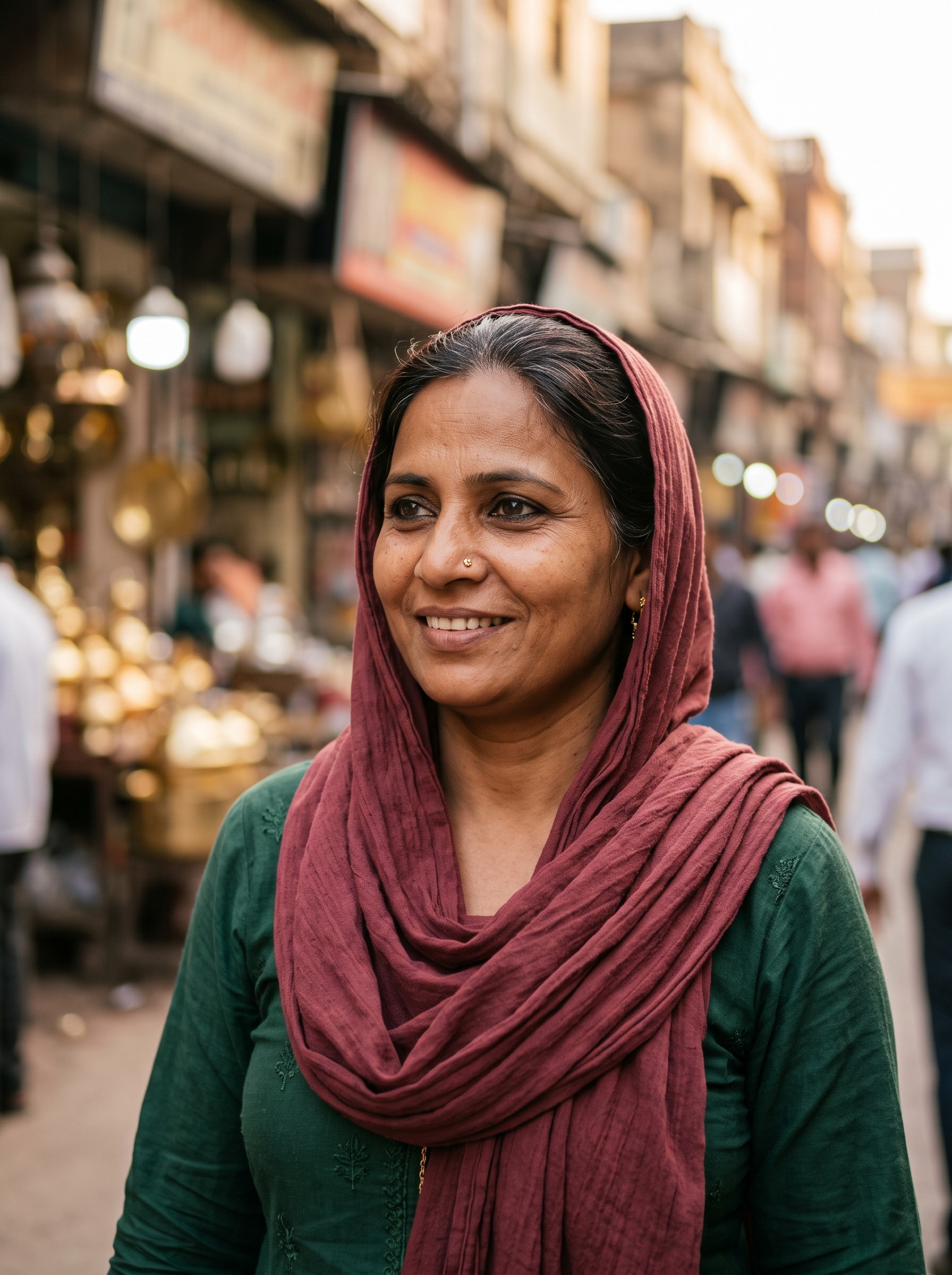

Walk out of the Paharganj-side exit of New Delhi Railway Station and the Main Bazaar swallows you whole: cycle-rickshaw bells, incense smoke, touts, dangling scarves and the smell of frying bhature, all packed into one long lane that has been Delhi’s backpacker landing pad since the hippie trail rolled through in the late 1960s. It is not pretty and it is not quiet. It is cheap, absurdly central, and unlike anywhere else you will sleep in India.
What Paharganj is known for
Paharganj was never built to be admired from a distance. It was built to be used, and used hard. The neighbourhood earned its backpacker reputation by geography first: directly across from New Delhi Railway Station, close enough to the trains that rooms could be sold to travellers before they had even learned the local currency. Then came the old overland routes from Europe to Kathmandu, and with them the long-haired, sandal-wearing, open-ended crowd that made this part of Delhi feel like a temporary republic. Cheap rooms, no questions, Connaught Place a short walk away. The formula worked then. It still works now, if you can tolerate the noise.
The Main Bazaar is the neighbourhood’s spine, a roughly kilometre-long lane that starts opposite the station and knots up around Tooti Chowk before dissolving into side galis. Every square metre seems to have a job. A tailor bends over a hem. A chai stall hisses. A moneychanger waves a calculator. A man sells single cigarettes with the air of someone doing you a favour. Shops spill incense, harem pants, scarves, hammered-silver rings, cheap electronics and secondhand books into the lane. The crowd is not one crowd but many: budget travellers from Europe and Israel and Korea, Indian pilgrims, traders from smaller cities, sadhus, students, shopkeepers who have worked the same three-metre frontage for forty years. It is dense, grimy, loud and completely alive.

What gives the place its odd charm is not polish. It is honesty. Paharganj does not pretend to be elegant, and it does not care if you think it is chaotic. People either fall for it at once or want to leave within the hour. There is not much middle ground, and that is part of the appeal. From a rooftop, though, the whole thing changes shape. The horns flatten into a hum, the lane becomes a ribbon of motion, and you can watch the circus from above with a lassi in hand. By Delhi standards the neighbourhood winds down early, shutters mostly down by 9 or 10pm, which means the day here burns bright and then goes off with a mutter.
Where to eat & drink
There are many reasons to stay in Paharganj. One of them, and a surprisingly serious one, is breakfast at Sita Ram Diwan Chand in Chuna Mandi. This is the plate worth crossing the city for: spicy chole, two enormous puffed bhature, a plain tiled room, a queue, cash only, no theatre beyond the food itself. It has been serving since around 1950, and Delhiites still argue about whether it is the best chole bhature in town. Arguments are fine. The bhature arrive with the kind of crackle that makes the table go quiet for a second.

After that, Paharganj eating is less about destination dining than about range and convenience, and that is not a small thing in a neighbourhood that has fed travellers for decades. The Main Bazaar carries North Indian thalis, Israeli hummus and falafel, Tibetan and Nepali momos and thukpa, and the inevitable pizza and pancakes for the homesick. The food scene is a patchwork stitched together by the road. If you have been on the move for weeks, the sight of pita and hummus can feel like a minor mercy.
For that, Sam’s Cafe is the old rooftop standby, perched above the Vivek Hotel on the Main Bazaar. The food is fine rather than miraculous, but the terrace has the exact traveller energy Paharganj has always traded in: plates of multi-cuisine comfort, hummus and pita, skyline views, a breeze that only just defeats the traffic noise. Go at night if you want the full effect, when the neighbourhood glows in strips and the station lights seem to hold the whole district together.

If you want a licensed sit-down and a cold beer, Metropolis Restaurant & Bar is one of the older rooftops in the area, with North Indian, Chinese and Continental food and the useful virtue of not pretending to be anything else. It is the sort of place where the evening stretches out longer than the street below, and that matters in a neighbourhood that goes to sleep early.
Near Tooti Chowk, where the bazaar knots itself into a busier, brighter tangle, Everest Bakery is the dependable stop for Nepali-Tibetan momos, thukpa and traveller breakfasts. It sits in the middle of the neighbourhood’s constant motion, which is exactly where a place like this belongs. Paharganj rewards the eater who keeps expectations sensible and curiosity intact.
Going out
Paharganj is not a nightlife district, and pretending otherwise is how people end up disappointed and slightly irritated with a place that never promised more. There is no club scene here, no cocktail crawl, no late crowd drifting elegantly between bars. The bazaar mostly shutters by 9 or 10pm, and once the shops pull down their metal fronts the streets get dim and rougher. If you want a real night out, head to Connaught Place and come back before the lanes empty.
What Paharganj does have is rooftops, and that is where the evening lives. The move is simple: climb up, order a cold Kingfisher, and watch the bazaar wind itself down from above. Sam’s Cafe and Metropolis Restaurant & Bar are the dependable names here, both offering beer and views over rooftops and rail lines, both better for the air and the angle than for any great culinary drama. The social life in this part of Delhi often happens in hostel rooftop lounges too, where travellers compare notes over beer or a bhang lassi rather than going out anywhere at all. It is a low-key kind of night, and that suits the place.
Things to do
The main activity in Paharganj is walking, which is not a concession but the point. Start at the railway-station end of the Main Bazaar and let the lane do its work. You will pass silver stalls, fabric shops, chai points and hostel doorways, then the street will tighten around Tooti Chowk, the junction where the food stalls gather and the neighbourhood becomes most photogenic in the evening.

That corner is where you understand the neighbourhood best: not through a monument, but through motion. Rickshaws nose in. Pedestrians sidestep. Someone is always waiting for tea, or a momo plate, or a bargain. The place does not pause for your curiosity, which is why it feels alive.
Make time for Jackson’s Books at 5106 Main Bazaar, a cramped, beloved secondhand bookshop that has traded for around four decades and stocks novels in ten-plus languages, from French and German to Hebrew, Japanese and Korean. The story behind the name is exactly the kind of odd Delhi detail I like: the owner’s late father Jai Kishen was renamed “Jackson” by foreign customers, and the name stuck. A bookshop like this is not just a shop. It is evidence that travellers once stayed long enough to leave behind reading habits.

Then, if you have the time and the patience, step off the main lane into the residential galis. This is where Paharganj stops performing for visitors and becomes ordinary Delhi again: small temples, a mosque, vegetable and flower markets, dairies, havelis with old decorative brickwork. It is still noisy, still crowded, but the register changes. You hear more domestic life, less sales pitch. That shift is one of the neighbourhood’s quiet pleasures.
{{ATTRACTIONS}}
And because Paharganj is so central, the other great sights sit close enough to matter without being swallowed by the neighbourhood itself. Old Delhi’s Jama Masjid and the Red Fort, and Connaught Place, are all a short auto or metro ride away. That is the trick with staying here: you use Paharganj as a base camp, not a destination in the formal sense. It is a place to land, sort yourself out, and head back out into the city.
Shopping
Shopping in Paharganj is less a pastime than a climate. The Main Bazaar is essentially one long budget market, and it is at its fullest in the afternoon, when most shops are open, usually around noon and staying open until roughly 8pm. This is where you come for boho and hippie-chic clothing, harem pants, embroidered kurtas, scarves and woollen mufflers, incense, oils, dreamcatchers, cheap leather bags and shoes, and racks of hammered and semi-precious silver jewellery that start at pocket-change prices. Books, cheap electronics and endless souvenirs are threaded through the whole thing.
The rules are simple. Haggle, hard and good-naturedly. Opening prices are built for tourists, and a friendly back-and-forth is expected. Counter well below the ask and be ready to walk away. Also, inspect what you buy; quality varies wildly, and the lane is full of things that look better under fluorescent light than they do in daylight. If you want to browse without the full bazaar pressure, Jackson’s Books is the classic stop. The side lanes also hide small textile and everyday-goods shops aimed more at locals than travellers, where the prices are keener and the hassle is lower.
Where to stay in Paharganj
Paharganj is Delhi’s budget-bed capital because the maths is too good to ignore. You can roll a suitcase from New Delhi Railway Station to your door, and reach Old Delhi or Connaught Place in minutes. The trade-off is noise and chaos, so where you book matters more here than it does in calmer neighbourhoods.
Hostels and guesthouses dominate. Zostel Delhi, on Arakashan Road just north of the railway station, is the reliable branded backpacker hostel with dorms and privates and a sociable rooftop. Smyle Inn is a long-standing budget favourite for clean, cheap rooms with free breakfast. Across the area, rooms run from rock-bottom dorm beds to modest privates, mostly a few hundred to around a thousand rupees. That is the range, and it tells you what kind of district this is.
The single most useful booking tip is also the least glamorous: get a room set back from the Main Bazaar, or one facing an inner courtyard. Rooms over the lane get the full brunt of horns, touts and early-morning deliveries. Arakashan Road and the quieter side galis are generally calmer than the bazaar’s heart. If you are a light sleeper, the neighbourhood will test your loyalty.
{{HOTELS}}
Getting around
Paharganj’s superpower is that you barely need transport to reach the rest of central Delhi. New Delhi Railway Station (NDLS) is directly adjacent, so intercity trains leave from your doorstep. For the metro, New Delhi station on the Yellow Line, plus the Airport Express or Orange Line, sits just across the tracks about a 9-minute walk from the bazaar, while RK Ashram Marg on the Blue Line is roughly a 15-minute walk from the Main Bazaar. From the airport, the Airport Express to New Delhi station is the cheapest, fastest way in, around 20 minutes from Terminal 3 and far less hassle than fighting for a taxi.
Inside Paharganj, you walk. Full stop. The Main Bazaar is too narrow and too clogged for anything else. For longer hops, use a metered auto-rickshaw or an Ola/Uber booked on the app so the fare is fixed before the ride starts. And keep your wits about you. Ignore anyone at the station or in the lane offering a “government tourist office,” a “special hotel rate” or a “better train ticket.” These are commission scams. The only official ticket office is inside the main station building, and the real Government of India tourist office is at 88 Janpath near Connaught Place. Never follow a tout to an unbooked hotel. Paharganj can be generous, but it is not naïve.
The neighbourhood’s appeal is exactly that it is so useful and so unruly at once. It is a place for arriving late, leaving early, buying a scarf you did not know you needed, eating bhature at a counter that has seen every kind of traveller, and sleeping in the middle of a city that refuses to soften itself for you. Some corners of Delhi are for lingering. Paharganj is for landing, listening, bargaining, and remembering that a city can be most honest when it is a little rough around the edges.
FAQs
Is Paharganj a good area to stay in Delhi?
Yes, if you are a budget or first-time backpacker and want to be absurdly central, with New Delhi Railway Station, Old Delhi and Connaught Place all close by. But it is loud, gritty and hectic, so if you want quiet or polish, South Delhi or Aerocity are better bets. Book a room set back from the Main Bazaar and it becomes much more livable.
Is Paharganj safe for tourists?
By day, generally yes, but it needs street sense. The bigger risks are scams and touts than violence: ignore anyone steering you to a 'government tourist office', a 'special hotel' or cheap train tickets, agree fares up front, and keep your bags zipped in the crowds. After dark the lanes get dimmer and rougher, so use an auto or app cab rather than wandering alone.
What is Paharganj famous for?
It is Delhi’s long-standing backpacker district, born from the 1960s and 1970s hippie trail because of its rock-bottom hotels beside New Delhi Railway Station. Today it is known for cheap stays, the chaotic Main Bazaar shopping strip, international traveller cafes and rooftops, and one genuine food landmark: Sita Ram Diwan Chand’s chole bhature.
What should I eat first in Paharganj?
Start with the chole bhature at Sita Ram Diwan Chand in Chuna Mandi. After that, the neighbourhood is best for rooftop meals at Sam’s Cafe or Metropolis, or momos and thukpa around Tooti Chowk at Everest Bakery.