Delhi guide
Old Delhi, Delhi: Shahjahanabad's Street-Food Spine and Mughal Heart
A walk through Shahjahanabad is a lesson in appetite, noise and survival: Mughal monuments, lane-by-lane bazaars and the kind of food that has outlived every attempt at tidiness.
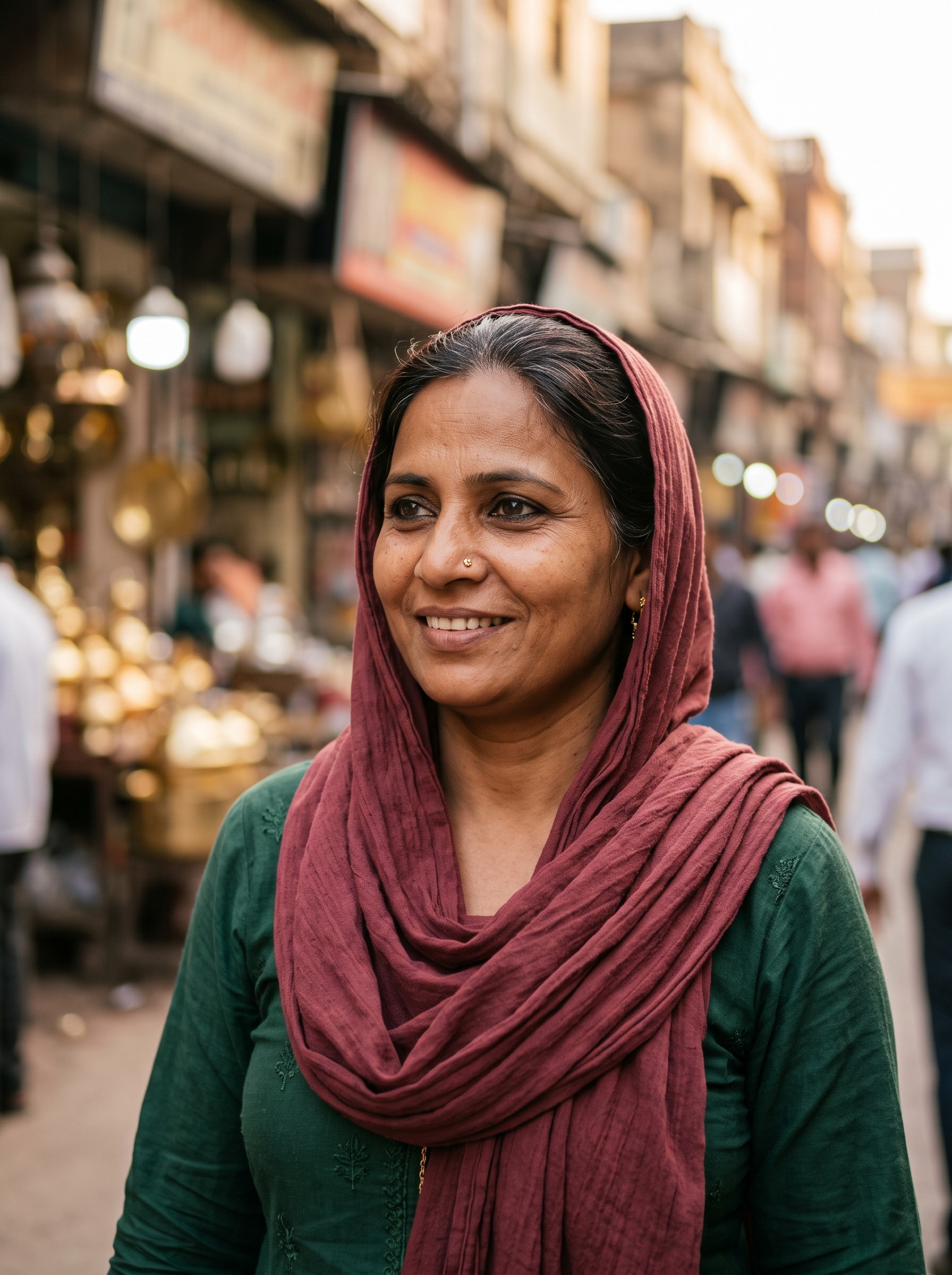

Old Delhi begins with a sound more than a sight: the metallic clatter of a cycle-rickshaw bell, the bark of a porter balancing sacks on his head, and the low, stubborn hiss of oil meeting dough. On Chandni Chowk, that old moonlight avenue Shah Jahan laid out in 1648, the day does not unfold so much as thicken. A kilometre and a half of traffic, trade and appetite runs from the Red Fort's Lahori Gate to Fatehpuri Masjid, and the side lanes — Paranthe Wali Gali, Kinari Bazaar, Dariba Kalan — fold into one another like a market that has never quite agreed to end. This is Shahjahanabad: loud, luminous, slightly greasy at the edges, and still the most persuasive argument Delhi makes for itself.
What Old Delhi is known for
Old Delhi is known, first and forever, for food. Not restaurant food dressed up for a weekend, but the sort that has been kneaded, stuffed, fried, simmered and repeated by the same families for generations. Mughlai kebabs, nihari, stuffed parathas, chaat, jalebi — all of it arrives with a confidence that borders on cheek. You do not come here to be surprised by innovation. You come to find out why the old ways still work.
The neighbourhood is also the Mughal capital in stone. Shah Jahan moved his court here from Agra and built Shahjahanabad as a walled city, with the Red Fort at one end and the Jama Masjid rising over the rooftops a short walk away. Chandni Chowk was designed in 1650 by Jahanara Begum, the emperor's daughter, around a canal that once caught the moonlight and gave the avenue its name. The canal is gone; the name remains, which is about as Delhi as it gets.
And then there are the bazaars, each lane a trade and a temperament. Dariba Kalan is for silver and gold, Kinari Bazaar for wedding trimmings, Khari Baoli for spices, Nai Sarak for books, Chawri Bazaar for paper and brass, Bhagirath Palace for electricals. Threaded through them are shrines and places of worship from different faiths — Gauri Shankar, Sis Ganj, Fatehpuri Masjid, a Baptist church — because Shahjahanabad was never a sealed world, only a crowded one.

What makes Old Delhi feel unlike the rest of the capital is the density. The crowd never really thins. Schoolboys run errands, wedding shoppers clutch fabric bundles, pilgrims drift between shrines, and food-walk groups stop every few steps because something is being fried, stuffed or ladled nearby. Underfoot the lanes can be slick with rickshaw grease and the odd spill of chaat; overhead, wires loop across crumbling havelis like a black sketch that no one has bothered to erase. It is grimy, chaotic, occasionally exhausting, and entirely the point.
Where to eat & drink
Eating here is less a meal plan than a method. The sensible approach is to graze small at many places, because Old Delhi rewards curiosity and punishes overcommitment. The legendary starting point is Karim's, tucked in Gali Kababian just off Jama Masjid's Gate 1 and run by the same family since 1913. Go for the mutton nihari, which has spent the night becoming itself, or the seekh kebabs and mutton korma with khameeri roti. Karim's is not trying to be charming. It does not need to.

A few doors along Matia Mahal Road, Al Jawahar offers a calmer sit-down room and a cleaner, arguably better version of the same old comforts: mutton nihari, biryani and khameeri roti. The place is said to have been inaugurated by Nehru in 1948, which is one of those Delhi details that sounds half like history and half like family lore, and may be both. On the same lane, Aslam Chicken is the cult after-dark stop, the sort of place people talk about with a little too much certainty. Its charcoal-grilled butter chicken arrives drowned in butter and cream, which is not subtle and never pretends to be.
Cool Point, opposite Jama Masjid Gate 1, is where you close the loop with shahi tukda — fried bread in saffron rabri — and homemade mango ice cream. It is the sort of dessert stop that makes you briefly forget the heat, the crowd and the fact that you have already eaten too much. That is a useful trick in Old Delhi.
On the Chandni Chowk side, the classics are older still. Paranthe Wali Gali has been frying stuffed flatbreads since the 1870s, and Gaya Prasad Shiv Charan dates to 1872. The fillings run from aloo to paneer to rabri, and the lane itself smells faintly of ghee and old confidence. A paratha here is not a side dish. It is an event with a plate.

For snacks with a sharper edge, Jung Bahadur Kachori Wala in Maliwara does the definitive kachori with spiced potato gravy. Natraj Dahi Bhalla on Chandni Chowk Road has served cold, creamy dahi bhalla and aloo tikki since the 1940s, and Old Famous Jalebi Wala on the Dariba corner has been frying fat desi-ghee jalebis in saffron syrup since 1884. The jalebi here is not delicate. It is a coiled argument.
For sweets, milk and the sort of things that make you sit down for a minute, Kuremal Mohan Lal Kulfi Wale in Kucha Pati Ram off Sitaram Bazar has made kulfi since 1906, including whole-fruit stuffed versions that feel almost mischievous. Hazari Lal Jain in Kinari Bazaar does khurchan. Chaina Ram Sindhi Halwai at Fatehpuri turns out karachi halwa, malai ghevar and Sindhi sweets. Shyam Sweets near Chawri Bazar is the place for bedmi-aloo breakfast, and Kake di Hatti near Fatehpuri serves giant tandoor-baked stuffed naans with dal makhani when you want to sit down and recover from the rest of the day.
The trick, as ever, is to stop thinking in terms of a single meal. Old Delhi is a sequence of bites, each one carrying you to the next lane.
Going out
Old Delhi does not do nightlife in the bar-and-club sense. There are no cocktail lounges hidden behind velvet curtains, no DJs trying to make the walls vibrate. The quarter is a Muslim-and-trader district of shrines, mosques and family businesses, and it shutters early. Alcohol is barely visible; the food institutions are mostly dry; the whole place has a different idea of an evening.
What it does have is a magnificent after-dark eating scene. The food street around Jama Masjid's Matia Mahal comes alive from dusk, when the kebab grills fire up and the crowds arrive after prayers. This is where Old Delhi truly goes out: under bare bulbs, with smoke hanging in the air and people leaning over plates as if the night itself were something to be eaten. Ramadan is the most famous version of this, and the after-iftar feasting can run deep into the night.

If you want a drink, a late bar or anything resembling club culture, leave the walled city and go to Connaught Place, Hauz Khas or the south of Delhi. Old Delhi is for feasting until nine or ten and then heading back to somewhere quieter. It is not a neighbourhood that begs you to linger in a lounge. It wants you fed and gone.
Things to do
Start with the two great monuments, because there is no polite way to ignore them. The Red Fort, Shah Jahan's red-sandstone palace-fortress and a UNESCO World Heritage Site, anchors the eastern end of Chandni Chowk. Enter by Lahori Gate, book the ASI ticket online or by QR code if you dislike queues, and remember that it is closed on Mondays. The fort is not just a monument; it is the opening sentence of the neighbourhood.
A short walk south rises Jama Masjid, India's largest mosque, where you can climb the southern minaret for a rooftop view over Shahjahanabad. Dress modestly, cover your head, leave your shoes, and do not wander in during the five prayer times if you are not there to pray. The scale of the place is the point. Delhi, for once, makes room for grandeur.

The best way to move through the neighbourhood is on foot or by cycle-rickshaw. A Chandni Chowk cycle-rickshaw ride is the classic way to feel the crush of the lanes without walking every metre. It is not a tour for speed. It is a tour for survival, and for noticing how each turn changes the smell. Better still is an Old Delhi food walk, morning or evening, because the best stalls are often unmarked and impossible to find alone. A good guide reads the history of Paranthe Wali Gali, Dariba and Khari Baoli the way a local reads a family recipe: by memory, not by signage.
{{ATTRACTIONS}}
Khari Baoli is worth a slow wander even if you buy nothing. Asia's largest wholesale spice market is a wall-to-wall riot of chilli, cardamom, nuts, dried fruit and tea, stacked in sacks and scooped out by the kilo. Bring a scarf if your nose is sensitive; the air itself can make you sneeze. Some rooftops give a view over the trading floor, which is useful because the market below can feel like a force of nature rather than a street.
At the western end, Fatehpuri Masjid offers a quieter pause, serene in a way that makes the noise around it feel more deliberate. Nearby, the Gauri Shankar Temple and Sis Ganj Gurudwara sit on the main drag as reminders that Shahjahanabad has always been shared ground. Off Kinari Bazaar, the 18th-century Jain havelis of Naughara make one of the loveliest detours in the old city: a cul-de-sac of colour-washed houses that feels briefly like the lane has remembered how to breathe.
Shopping & markets
Old Delhi shops by lane, not by concept. That is the first thing to understand. Each gali does one trade, most of it wholesale, and most of it open to anyone willing to bargain without theatrics. Khari Baoli is the headline, and rightly so: the largest spice market in Asia, with whole shopfronts stacked with red chillies, cardamom, saffron, dried fruit, nuts and tea sold by the sackful. It is not a place for dawdling if you dislike crowds, but it is exactly the place for dawdling if you understand that crowds are part of the merchandise.
Dariba Kalan is the silver-and-gold lane, and also good for natural attar perfumes. Kinari Bazaar glitters with borders, laces, sequins, beads, latkans and pom-poms, and links to the fabric and lehenga wholesalers around Chandni Chowk. Chawri Bazaar deals in paper and card, while Nai Sarak is the wholesale book-and-stationery street. Bhagirath Palace handles electricals and lighting, along with old wholesale chemists. Brass, textiles and every imaginable retail obsession spill into the general lanes.
The rules are simple enough. Go early to beat the crush. Carry small cash. Haggle hard. Ignore the rickshaw drivers who steer you toward a "government emporium"; that commission is built into the bill before you arrive. This is not boutique shopping. It is theatre, volume and the occasional excellent bargain.
Where to stay in Old Delhi
Almost nobody beds down inside the walls unless they have a very specific reason and a very forgiving constitution. Old Delhi has few decent hotels, and for all its charm it is loud, crowded and polluted, with market carts starting before dawn and mosque calls carrying through the lanes. The sensible move is to stay elsewhere and visit by day. Connaught Place and Lutyens' Delhi to the south give you comfort and space; Paharganj, just west of New Delhi railway station, gives you a cheaper, grittier base about ten minutes away.
If you do want to sleep in the old city, look for restored heritage havelis and homestays tucked into the lanes, or basic guesthouses near Jama Masjid and along the fringes. Choose carefully, and choose with noise in mind. A room set back from the main galis matters more here than a view. Do not expect a pool, a lobby bar or anything remotely polished. Expect character, access and the odd sleepless hour.
For most travellers, the sane answer remains the simplest one: base yourself in central New Delhi, spend a long hungry day and evening in Shahjahanabad, and retreat somewhere quiet to sleep.
{{HOTELS}}
Getting around
The Delhi Metro is the easy way in. Chandni Chowk station on the Yellow Line drops you at the western end of the main avenue. The Violet Line's Heritage extension added Lal Qila for the Red Fort and Jama Masjid for the mosque and Matia Mahal food street, so you can emerge almost at the door. Chawri Bazar is the handiest station for the sweet lanes to the south. First trains run from around 6am, last around 11pm, and fares are a matter of rupees.
Inside the walled city, you walk or take a cycle-rickshaw. The main Chandni Chowk drag is a daylight-hours no-vehicle zone from the Red Fort to Fatehpuri Masjid, which has calmed the worst of the traffic, but the side galis remain packed. A rickshaw is the sane way through if you do not fancy wrestling the crush on foot. Agree the fare before you climb in; short hops are cheap, but negotiate.
For longer trips, use a metered app cab rather than an auto, because bargaining with a driver who thinks commission is a lifestyle can become a whole afternoon. New Delhi railway station and Paharganj are about ten minutes away, Connaught Place roughly fifteen, and Indira Gandhi International Airport is a 45 to 60 minute drive, or a metro ride with a change to the Airport Express at New Delhi.
Old Delhi rewards those who arrive hungry, move slowly and accept that a little friction is part of the pleasure. Shahjahanabad has never been neat. It has simply been alive for a very long time.
FAQs
Is Old Delhi a good area to stay in Delhi?
For most travellers, no. Old Delhi is better for visiting than sleeping in: there are very few good hotels inside the walls, the lanes are loud, crowded and polluted, and the neighbourhood stirs early and shutters by mid-evening. It is usually more comfortable to base yourself around Connaught Place, Lutyens' Delhi or budget Paharganj and come in for the day and evening. If you want the atmosphere, a few restored heritage havelis and homestays exist, but expect character over comfort.
What is the best way to eat Old Delhi street food, and is it safe?
Eat small at many places rather than one big sit-down, and come hungry in the late afternoon or evening when the stalls are busiest and freshest. A guided food walk is genuinely worth it because the best stalls are often unmarked. Stick to places packed with locals and turning over food fast, carry small cash, drink bottled water, and build up gradually if your stomach is not used to street food.
How do I get to Old Delhi and get around?
Take the metro: Chandni Chowk on the Yellow Line is best for the main avenue, while Lal Qila and Jama Masjid on the Violet Line's Heritage extension put you by the Red Fort, the mosque and the food street. Inside the walled city, walk or take a cycle-rickshaw; the main Chandni Chowk stretch is a no-vehicle zone in daylight hours, and a rickshaw is the easiest way through the packed side lanes. For longer trips, use an app cab rather than an auto.
What should I not miss in Old Delhi?
The essentials are the Red Fort, Jama Masjid, a cycle-rickshaw ride through Chandni Chowk, Khari Baoli spice market, and at least one proper food crawl. If you have time, add Paranthe Wali Gali, Dariba Kalan, Fatehpuri Masjid and Naughara off Kinari Bazaar.