Cartagena guide
Manga, Cartagena: the quiet island where the city slows down
Tree-shaded streets, Republican mansions and a working marina give Manga a calmer Cartagena rhythm, with the walls only a short bridge away.
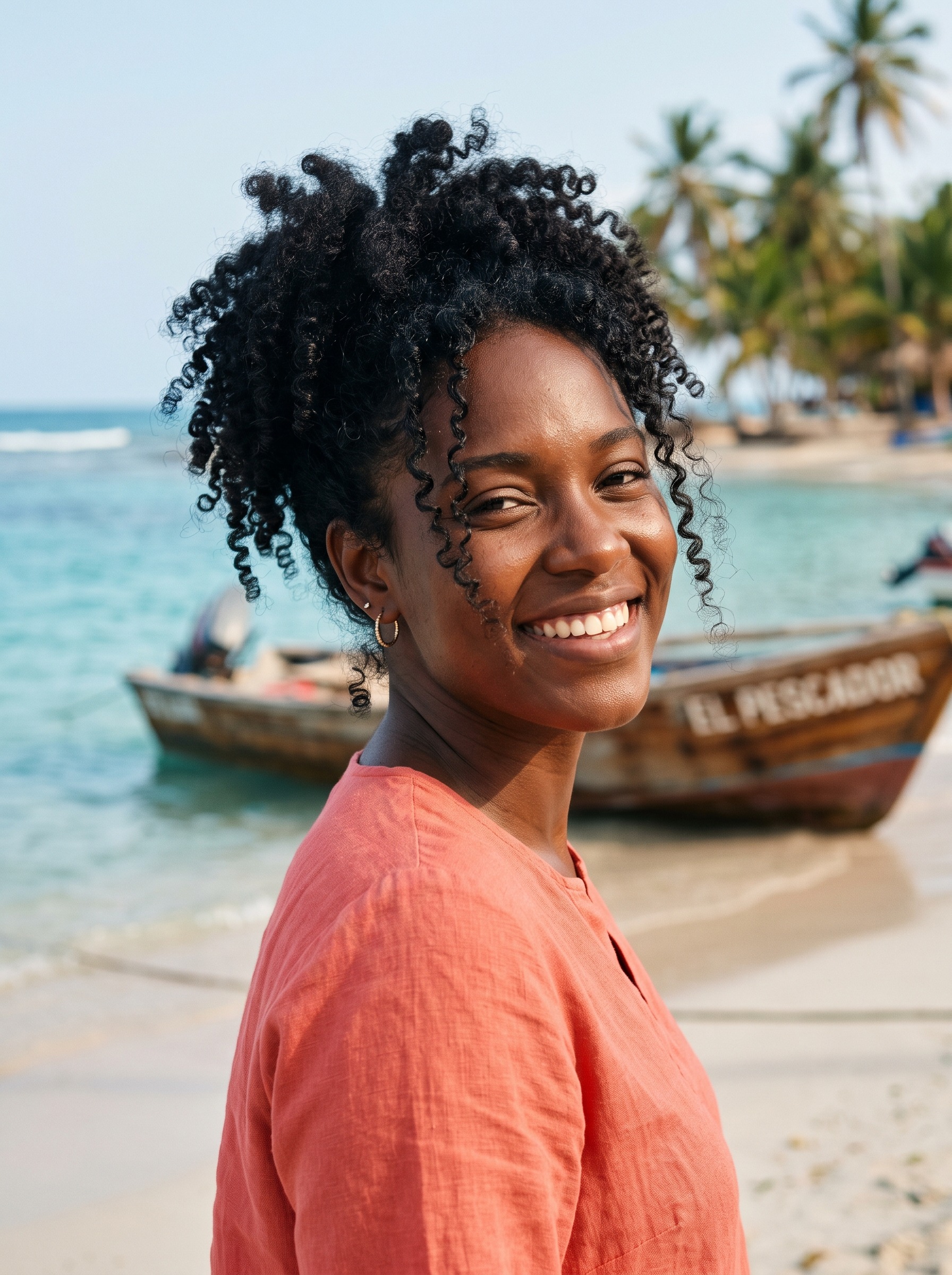

Cross the Puente Román out of Getsemaní and Cartagena changes gear inside a minute. The noise thins, the streets widen under mango and almond trees, and the island of Manga begins to feel like a private side of the city that never stopped being lived in. On an average morning the loudest thing may be a jogger’s footfall along the bay, a motorbike somewhere deeper in the grid, or the clink of cups in a corner bakery. That is the point of the place: Manga gives you Cartagena without the performance, a residential island of early-1900s villas, marina air and honest prices, five minutes from the old town but moving at a different speed.
What Manga is known for
Manga is Cartagena’s mansion island, and that description is not a marketing flourish. This is where merchant families came when the walled city began to feel confining after independence, and they built as if they were planting flags: Republican villas with pillared porches, deep gardens and, in a few cases, full-blown Moorish fantasy. You can still read that ambition in the streets around Calle 25, Avenida Jiménez and Avenida de la Asamblea, where the houses stand close enough together to make the neighbourhood feel like a walkable archive rather than a museum district. The mood is less polished than the postcard centre, and better for it. Kids in school uniforms pass gated façades; a corner tienda sells cold Águila; the soundtrack is birds and the occasional motorbike, not reggaeton spilling from a plaza.
The showpiece is Casa Román on Calle 25, a neo-Mudéjar mansion begun in 1919 and finished with Alhambra-inspired plasterwork, ceramics and a courtyard fountain after the Román family brought craftsmen’s work back from Seville and Granada in 1929. It is still a private home, that of Teresita Román Vélez, made honorary mayor in 2006, so you do not go there for a tour or a ticket. You go because the façade is enough: horseshoe arches, patterned surfaces, a kind of tropical excess that feels both imported and entirely of Cartagena.

Nearby, the heritage houses keep the story going in a quieter register. Casa Vélez Daníes sits on Avenida de la Asamblea, Casa Vélez Pombo on Calle Jiménez now serves as a school, and names like Villa Susana, Casa Covo, Casa Daniel Lemaitre, Casa de la Espriella and Casa Niza turn up in a walk that moves from one old family address to the next. Some are homes, some offices, some university faculties, but the collective effect is the same: Manga still reads as a neighbourhood built by people who expected to stay.
The anchor in the middle of all this is the Parroquia Santa Cruz de Manga, a German-Gothic parish church founded in 1924, with a green dome modelled on Munich’s cathedral and land donated by the Vélez Daníes family. It turned 100 in 2024 and remains the community’s centre of gravity. That matters more than any postcard angle. You can feel it in the way the streets organise themselves around it, in the way neighbours pass through the area rather than merely through it, and in the fact that Manga’s grandest architecture still sits inside an ordinary residential life.

Where to eat & drink
Manga’s dining scene is smaller and more local than the walled city’s, which is part of its charm. You do not come here hunting a scene. You come because the neighbourhood feeds itself well, and because one of Cartagena’s most atmospheric tables is tucked inside an 18th-century fort on the water.
Club de Pesca, formally the Restaurante Fuerte de San Sebastián del Pastelillo, sits inside San Sebastián del Pastelillo, built in 1743, right on the bay. The tables are set into old cannon embrasures, so the room itself seems to hold the water at arm’s length while the light changes outside. It has run as a restaurant since the 1950s and does classic Caribbean seafood, the kind of place where regulars come as much for the coconut pie and the sunset as for the fish. This is a dinner reservation, not a spontaneous lunch stop. It leans special-occasion and the prices follow suit, but the setting earns its keep. If you want one meal in Manga that feels like a memory before you’ve even ordered, this is the one.

For a more casual evening on the water, Mabare Restaurante-Bar sits at the Club Náutico marina on Avenida Miramar, No. 19-50. It is a rooftop with sushi, ceviche and cocktails, plus a front-row view of the boats and the Bocagrande skyline lighting up across the bay. The whole place is about the pleasure of being slightly removed from the tourist rush while still watching the city glitter. You can have a drink, watch the masts sway, and let the evening arrive without announcing itself.
Away from the waterfront, Manga behaves like the neighbourhood it is. Bakeries, juice stands and no-frills almuerzo spots serve residents and office workers, which means breakfast and lunch cost a fraction of old-town prices. That is the quiet bargain here: a set-menu lunch, an arepa and coffee, a cold drink under the trees, then a bridge-crossing later if you want the blow-out dinner. Manga is not trying to seduce you with a food corridor. It is simply feeding itself well.

Going out
Be clear-eyed about this: Manga is not a nightlife neighbourhood. What it has is a couple of good bar-restaurants on the water — drinks at Club de Pesca as the sun drops behind Bocagrande, or the rooftop at Mabare by the marina — and a scatter of local bars where residents nurse a beer over dominoes. That is the ceiling. There are no salsa clubs, no plaza party, no umbrella-strung party lane. If you want the soundtrack to change from conversation to cumbia to late-night spill, you cross a bridge.
And that is exactly why some people choose to sleep here. Manga is a five-to-ten-minute taxi, or a walk over the Puente Román, from Getsemaní, where Café Havana keeps live salsa alive and Plaza de la Trinidad gathers every night as if the square itself were a magnet. It is barely longer to El Centro and its rooftop cocktail bars. In practice, Manga lets you keep one foot in the spectacle and one foot in a quieter street. You can go out hard elsewhere and come home to a place that does not insist on continuing the party.
The trade-off is honest. After dark, Manga goes quiet. Some side streets are dim, especially farther south, and if you are the sort of traveller who wants to stumble home from bars, this is not your base. But if your ideal evening ends with a taxi over the bridge and a sleep that is not interrupted by music from a plaza, Manga does the job beautifully.
Things to do
The single best thing to do in Manga is walk it. Start on the mansion streets around Calle 25, Avenida Jiménez and Avenida de la Asamblea, where the houses tell the neighbourhood’s origin story in façades rather than plaques. Casa Román is the headline, but the pleasure is in the cluster: Casa Vélez Daníes, Casa Vélez Pombo, Villa Susana and the others that make the streets feel like a living catalogue of Cartagena’s early-20th-century ambitions. Continue to the Parroquia Santa Cruz de Manga and pause under that green dome. Then keep going until the city opens to water.

The bay-side promenade is where Manga relaxes into itself. The paseo peatonal de Manga, a roughly 1.1-kilometre ecological promenade running parallel to Avenida Miramar between Club de Pesca and the maritime terminal, is the neighbourhood’s social spine. It has five recycled-plastic piers acting as viewpoints over the bay, and at golden hour it fills with joggers, skateboarders and couples watching the light move across the yachts and the Bocagrande towers. There is no need to force a narrative here. The promenade is simply a place to be out, to watch the water, to lean on the rail and let Cartagena look back at you from across the bay.
Manga is also Cartagena’s practical launch pad for the sea. The Club Náutico Cartagena marina on Avenida Miramar is where many Rosario, Barú and Cholón island boats depart, though it is a private marina, so you enter with an operator’s reservation rather than on spec. For travellers heading offshore, that matters. It means Manga is not just a pleasant place to sleep; it is a useful base if your plans involve island-hopping and you want to start the day close to the dock instead of racing across town before sunrise.
There is also pleasure in doing very little here. A slow coffee under the trees. A morning walk on the malecón. A bay-side lunch. Manga rewards the unhurried traveller, the person who likes a neighbourhood to reveal itself in layers rather than in attractions. And because the old town is so close, you can use it as a reset button: come back from the walls, cross the bridge, and let the streets go quiet again.
{{ATTRACTIONS}}
Shopping & markets
Manga shops like a real neighbourhood, not a souvenir strip. That sounds banal until you have spent a few days in Cartagena and realised how useful banal can be. The streets carry the everyday commerce residents rely on — bakeries, pharmacies, hardware shops, mini-markets — at prices well below what you will pay inside the walls. If you are staying a while, that difference becomes part of the appeal. Manga is where you buy bread, batteries and bottled water without feeling as if you have entered a tourist tax zone.
For a bigger haul, Caribe Plaza sits right at the northern edge of the island, technically over in Pie de la Popa and only a few minutes’ walk or a very short taxi from most of Manga. It is Cartagena’s largest mall, open since 2012, with roughly 180 stores across two levels, a Jumbo hypermarket for self-catering, a multiplex cinema and a casino. On a hot afternoon or a rainy day, that air-conditioned everything-under-one-roof format is genuinely useful. It is not glamorous, but it is practical in the way neighbourhood infrastructure should be.
If you are after artisan crafts, emeralds and the classic Cartagena souvenir shopping, you still cross to the walled city and Las Bóvedas. Manga is not where you hunt for handicrafts. It is where you live like someone who knows the city well enough to buy groceries before a ferry departure and a box of pastries on the way home.
Where to stay in Manga
Manga is a value play, and that is one of the reasons it works so well for longer stays. Instead of walled-city boutique hotels, you get guesthouses, aparthotels and short-let apartments in Republican houses and mid-rise buildings, often for noticeably less than an equivalent old-town room. The sweet spot is the northern and central part of the island, near the Puente Román and Avenida Miramar, which keeps you close to the promenade, the marina restaurants and the quickest crossings to Getsemaní. Places like Casa Hotel Manga Mar sit in this residential pocket a short ride from the walls.
Book somewhere walkable to the water and you get the best of Manga: calm, breeze, bay views and the old town a five-minute cab away. Go too far south and the streets get darker and quieter at night, which means you will lean more on taxis. That is not a deal-breaker, just a reminder that Manga is a neighbourhood first and a visitor district second. If you want the doorstep drama of the walled city, stay there. If you want a real base with room to breathe, Manga is the smarter bet.
{{HOTELS}}
Getting around
Manga is an island stitched to the rest of Cartagena by bridges, which makes it more connected than it feels. The Puente Román links it directly to Getsemaní — an easy walk of a little over a kilometre — and from there it is a few more minutes on foot into the walled city of El Centro. Other bridges, including Las Palmas, Jiménez and Bazurto, tie Manga to the mainland neighbourhoods. In practice, the city is close in every direction.
By taxi or Uber, reckon on about five minutes to El Centro and Getsemaní and five to ten to Bocagrande, all short, cheap hops. Rafael Núñez airport is roughly 20 to 30 minutes away depending on traffic, and the fixed-fare taxi counter at the airport is the sensible way to avoid haggling. Within Manga itself, walking is the way to move around. It is flat, shaded and small, though the heat and humidity mean most people sightsee in the morning and evening and take a cab rather than walk the full loop at midday.
It is genuinely safe by day, especially along Avenida Miramar and the mansion streets. As anywhere, use normal care on the dimmer southern side streets after dark and prefer taxis at night. Manga is not trying to be everything. It is trying to be livable, and that is exactly why it works.
FAQs
Is Manga a good area to stay in Cartagena?
Yes — if you value calm, trees and value over being on the walled city’s doorstep. Manga gives you a quiet residential base with grand old mansions, a bay-side promenade and prices below the old town, while El Centro and Getsemaní are only a five-minute taxi or a walk over the Puente Román away. It suits longer stays, families and travellers who want a local feel.
Is Manga safe?
Manga is one of Cartagena’s more residential, low-key neighbourhoods and is generally safe by day, especially along Avenida Miramar and the mansion streets. Like anywhere in the city, take normal precautions after dark: some southern side streets are poorly lit, so stick to the busier areas near the bridge and promenade and use a taxi or Uber at night.
How do you get from Manga to the walled city?
It’s very close. You can walk across the Puente Román into Getsemaní — a little over a kilometre — and continue a few minutes more into El Centro. By taxi or Uber, it’s usually about five minutes and a low fare.
What is Manga best for?
Manga is best for local life, Republican-era architecture, value stays and easy marina access. It’s also a smart base if you’re heading out to Rosario, Barú or Cholón by boat from Club Náutico Cartagena.