Cartagena guide
Getsemaní, Cartagena: the barrio where the walls still sweat music
A walk through Cartagena’s most alive barrio, where murals, salsa, street food and old dockside grit still share the same hot pavement.
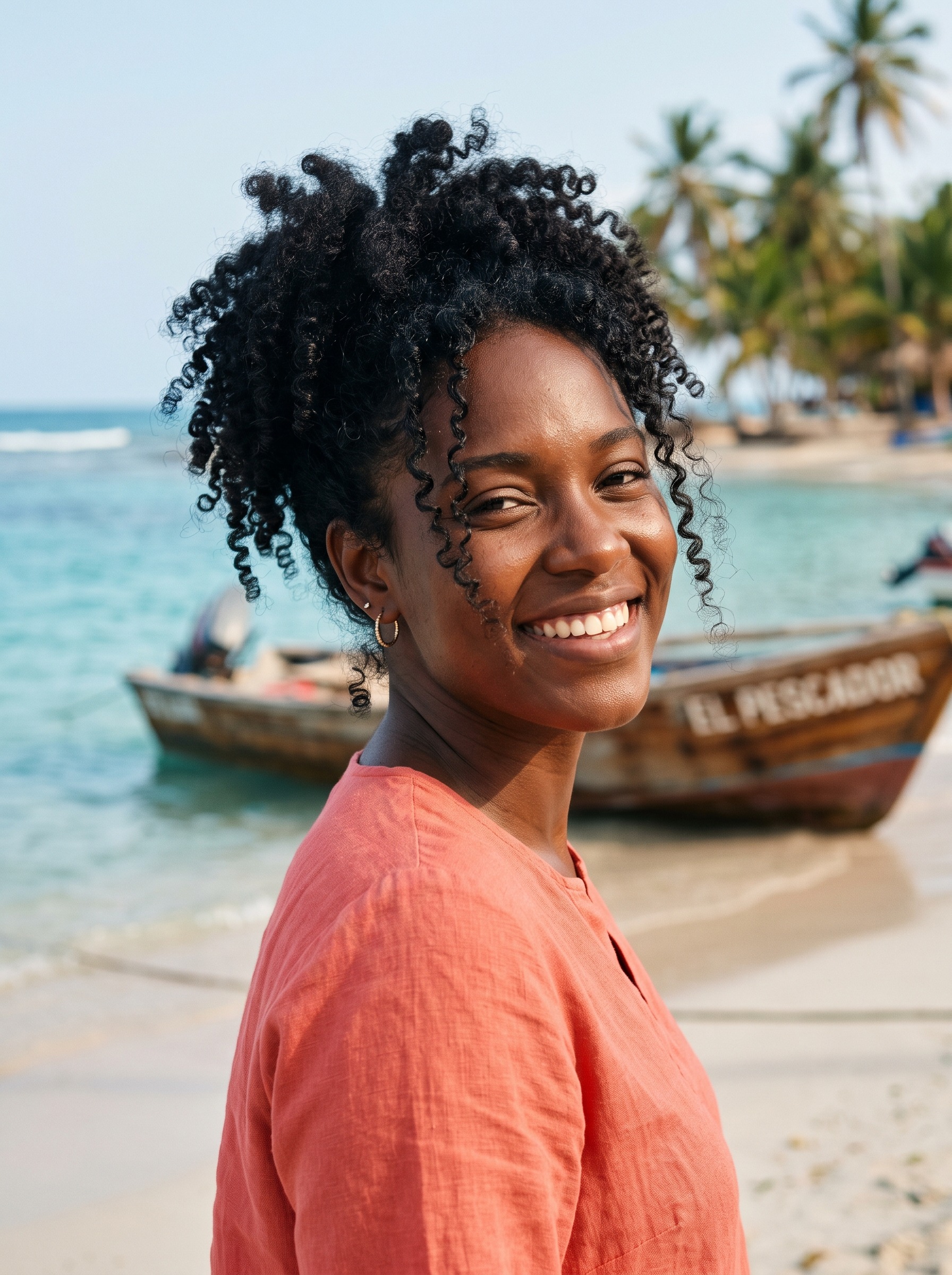

Cross the Puente Roman and the city changes temperature. The lanes loosen, the polish falls away, and Getsemaní starts talking in its own voice: laundry strung from balconies, salsa leaking from a corner bar, murals climbing three storeys up peeling colonial fronts. This was Cartagena’s working-class, dockside barrio for four centuries, and even after the boutique hotels moved in, it still feels inhabited rather than staged. That matters. You can feel the difference between a neighbourhood that performs itself for visitors and one that simply lets you in on the noise.
What Getsemaní is known for
Getsemaní runs on two speeds. By day it is quiet and residential, all old men over dominoes, cats on doorsteps, and the smell of coffee roasting somewhere along Calle Tripita y Media. Tour groups drift slowly under the strung umbrellas of Callejon Angosto with their phones up, trying to catch the kind of frame that makes people back home think Cartagena is all colour and no friction. Then night falls, and the barrio changes key. Plaza de la Trinidad fills with people sitting on the church steps drinking tallboys from the corner tienda, kids kicking a football, a Michael Jackson impersonator working the crowd, and salsa spilling out of doorways along Media Luna.

The murals are the constant thread. A community art project in 2013 turned Getsemaní into an open-air gallery, but these walls are not just decoration. Many carry pointed messages about gentrification, Afro-Colombian identity and the neighbourhood’s independence-war history. Calle de la Sierpe, the winding “serpent street,” is where some of the most photographed Afro-Colombian portraits in the city unfurl across plaster and paint. Calle San Juan works like an open-air gallery for local artists. Callejon Angosto, now better known as umbrella street, is the Instagram magnet: a narrow lane roofed with hundreds of coloured parasols that light up after dark. If you want the clean shot, come early, around 8am, before the crowd arrives and the umbrellas start becoming a queue.
The barrio’s history runs deeper than the murals. Getsemaní was the cradle of Cartagena’s independence movement, led by Pedro Romero’s Lanceros de Getsemaní in 1811, and that sense of defiance still hangs in the air. The neighbourhood knows it has been discovered. It is negotiating, in real time, between residents who still hang their washing over the alleys and visitors photographing that washing. The friction is part of the character. So are the heat, the noise and the feeling that something is always about to kick off around the next corner.
Just north, Parque Centenario gives the neighbourhood a softer edge. It is worth a slow lap, not least because sloths and monkeys genuinely live in its trees, in the middle of the city. That little shock of wildlife, right beside the traffic and the murals, tells you a lot about Getsemaní: this is a place where the improbable is normal.

Where to eat & drink
For a neighbourhood this compact, Getsemaní punches absurdly high at the table. The headline act is Celele on Calle del Espiritu Santo, Jaime Rodriguez’s Caribbean-lab kitchen that landed at No. 48 on the World’s 50 Best Restaurants list in 2025 and took that year’s Sustainable Restaurant Award. It is the kind of place that turns overlooked Colombian Caribbean ingredients into a tasting menu with real intent. Book weeks ahead, bring patience, and accept the deposit system as part of the deal; this is not a walk-in whim.
At the opposite end of the mood spectrum, La Cocina de Pepina is tiny and unpretentious, the sort of room that reminds you why home cooking travels so well. This is where you go for proper Cartagenera dishes like posta cartagenera, that sweet-savoury braised beef, and mote de queso. There are no reservations, so arrive early or be ready to wait. That wait is part of the ritual, and in a barrio as lively as this one, it rarely feels wasted.

For a livelier evening, Demente on Plaza de la Trinidad does Spanish-Caribbean tapas and wood-fired pizza from curb-side rocking chairs under a retractable roof. It is the kind of place where dinner can slide into a long, loose night without anyone noticing the transition. Di Silvio Trattoria is the dependable Italian option, with thin-crust pizza and pasta and a Travellers’ Choice 2025 nod that matches the reality: it works, it fills a need, and it does not make a fuss about it.
Cafe Lunatico brings rooftop tapas, a good brunch and guided market tours, which makes it useful if you want to eat and then keep moving. For coffee, Cafe del Mural is the one with substance behind the style: a genuine roasting lab run by David Arzayus since 2015, and it only opens in the afternoon. That detail matters in a neighbourhood that starts slow. If you arrive too early, you will be waiting for the beans as much as the street to wake up.
And then there is the cheapest dining room in Getsemaní: the plaza itself. Arepas de huevo, patacones con todo and cold beer from the corner shop are what keep the night democratic. You can eat well here without crossing into the stratosphere, and that is part of the barrio’s appeal. It gives you the option of a tasting menu or a plastic chair under the murals, sometimes on the same block.

Going out
Getsemaní is where Cartagena goes to dance. The institution is Cafe Havana, on the corner of Media Luna and Calle del Guerrero, a 1950s-Cuba-styled salsa bar with a live band and a heaving floor. It is closed Mondays, opens around 9pm, charges a cover of roughly 40,000-50,000 COP and gets going after 11pm, so there is no point arriving early unless you enjoy watching a room warm up. Come with cash and an appetite for the whole ritual: the band, the crowd, the sweat, the sense that the night has its own momentum.

If you want a looser, less touristy salsa scene, Quiebra Canto near the Parque Centenario end has drawn locals for years. It is the kind of place that does not need to explain itself. Club Seven 7 Times on Media Luna is the larger multi-room nightclub option, with a cover around 50,000 COP, while Club Taboo on Calle del Arsenal is the bottle-service party-bus club, loud and packed at weekends in the way only such clubs can be.
Not everything here is salsa, and that is one of the neighbourhood’s better tricks. Leon de Baviera has spent two decades as Getsemaní’s German rock bar, pouring proper beers and grilling bratwurst. Beer Lovers on Calle Tripita y Media goes in a different direction, with a serious international craft-beer list, though the music can drown out conversation if you are hoping for a quiet pint. Still, the best value in the barrio remains the plaza and Callejon Ancho, where open-air bars set out plastic chairs and you drink under the murals for a fraction of walled-city prices. That is the Getsemaní equation in one glance: atmosphere first, polish optional, and the bill usually kinder than you expected.
Things to do
The best way to begin is with a walking or graffiti tour led by someone from the barrio. Most set off from Plaza de la Trinidad, and the good ones explain the politics and the artists behind the murals rather than just parking you in front of them for a photo. That distinction matters here. Getsemaní’s walls are not wallpaper; they are arguments, memory, pride and sometimes protest, all layered in paint.
Beyond the art, this is a neighbourhood made for doing rather than ticking off. Take a salsa or champeta class, because champeta — Cartagena’s own Afro-Caribbean street style — belongs to this city as much as the sea does. Sign up for a cooking class or a street-food tour that grazes the arepa carts and the palenqueras’ fruit stalls. At Cafe del Mural, you can roast your own beans at the coffee workshop, which is a neat way to understand how much of the barrio’s rhythm is built around small, local rituals.
For a slower afternoon, walk north into Parque Centenario to spot the resident sloths and monkeys, then cross the Puente Roman toward Manga to look at the old republican mansions. The umbrella street and Calle San Juan’s galleries reward an unhurried wander, and it is a flat, easy ten-minute stroll to the walled city walls, best climbed at sunset. That late light over the stones, with the wind coming off the water, is one of the few things in Cartagena that still feels completely uncommercial.
Come in November and the barrio explodes for the Independence festivities and the Cabildo de Getsemaní, joyous but genuinely rowdy. If you want calm, skip it. If you want to feel the city at full volume, that is the week to be here.
{{ATTRACTIONS}}
Shopping
Getsemaní is not a shopping district in the boutique-and-emeralds sense; for that you cross into the Centro or up to Las Bovedas. What it does have is art and craft sold where it is made, and that makes the browsing feel more honest. Calle San Juan functions as an open-air gallery, with local painters and printmakers selling contemporary work directly, while small studios and design shops are scattered through the mural-lined lanes.
Around Plaza de la Trinidad and along Media Luna you will find independent vendors, hammocks, mochila bags, Champeta records and street-art prints. The palenqueras, the Afro-Colombian women in bright dresses balancing bowls of tropical fruit, are as much a photo institution as a shop. If you want a picture, agree the tip first — roughly 20,000-40,000 COP is the going rate — and buy some fruit while you are at it. That is the fair thing to do, and in a neighbourhood that pays close attention to who is being looked at and who is making money from the gaze, fairness matters.
For everyday needs, the corner tiendas sell cheap beer, water and snacks late into the night. Really, that is most of the shopping Getsemaní asks of you: the practical stuff, the small purchases, the things that keep the evening going.
Where to stay in Getsemaní
Getsemaní gives you far more range for your money than the walled city, from party hostels to design hotels. The trade-off is noise, so location within the barrio matters. Book directly on Plaza de la Trinidad, Callejon Ancho or Media Luna and you are on top of the nightlife until the small hours; pick a quieter side street like Carrera 11 and you keep the walkability without the 2am bassline.
At the upper end, Hotel Capellan de Getsemaní and the GHL Arsenal Hotel anchor the smart options, the latter with a large rooftop pool overlooking the bay. A Four Seasons is set to open in the barrio, spanning a restored San Francisco convent. Boutique stays like Casa Movida offer a pool and patio at mid-range prices. For backpackers, Media Luna Hostel is the original Cartagena party hostel and a scene in its own right, while quieter, better-value guesthouses and boutique hostels sit a couple of streets back.
{{HOTELS}}
Whatever the budget, everything here is a flat ten-minute walk to the walled city. That is one of the real luxuries of staying in Getsemaní: you can have the energy of a neighbourhood that still feels local, and still reach Cartagena’s polished centre on foot.
Getting around
Getsemaní is small and flat, so you will do almost all of it on foot. The winding streets can feel like a maze, so keep Google Maps handy, especially if you are moving between the mural lanes and the bar streets after dark. The walled city is a ten-minute walk over the connecting streets, and Manga is a short stroll across the Puente Roman. That bridge is more than a link; it is the seam where you can feel the neighbourhood stretching toward the rest of the city.
For anywhere further, taxis and Uber are easy to flag on Media Luna, Calle del Arsenal and the promenade. Taxis are not metered here, so agree the fare before you get in, as drivers routinely quote tourists above the local rate. Rafael Nunez International Airport (CTG) is only about 3km away, roughly an 8-15 minute taxi ride depending on traffic, which makes Getsemaní one of the most convenient bases in Cartagena to fly in and out of. Bocagrande’s beaches and the tourist docks for island boats are both short taxi hops.
When the streets empty out late at night, take a cab even for a few blocks rather than walking alone off the main drags. It is not a neighbourhood that asks for paranoia, but it does ask for common sense. That is true of most good city districts, and especially of one that still balances residents hanging their washing over the alleys with visitors stopping to photograph it.
FAQs
Is Getsemaní a good area to stay in Cartagena?
Yes — if you want nightlife, street art and food on your doorstep at better value than the walled city, and you do not mind some noise. It is a flat ten-minute walk to the Centro and only 8-15 minutes from the airport. Light sleepers should choose a quieter side street like Carrera 11 rather than a room directly on Plaza de la Trinidad or Media Luna.
Is Getsemaní safe?
It is far safer than its old reputation and today is roughly as safe as the walled city, with visitors out day and night. Use normal big-city sense: watch your phone, do not flash cash, and when the lanes empty late at night, take a taxi instead of walking alone off the main streets around Plaza de la Trinidad and Media Luna.
What is there to do in Getsemaní during the day?
Quite a lot. Take a mural or graffiti walking tour from Plaza de la Trinidad, photograph the umbrella street and Calle de la Sierpe early before the crowds, roast beans at Cafe del Mural, take a salsa or cooking class, and walk to Parque Centenario to spot the resident sloths. By day the plaza is quiet; it only really comes alive after dark.
What is Getsemaní best for?
It is best for nightlife, street art, food, budget-to-boutique stays and a younger, more local buzz. If you want manicured resort calm or beach access, this is not the right base.