Bruges guide
Ezelstraat Quarter, Bruges: the city’s quieter, sharper side
A walk down Ezelstraat reveals Bruges at local speed: tailor, chocolatier, wine bar and gate street, with the Markt only a few minutes away.
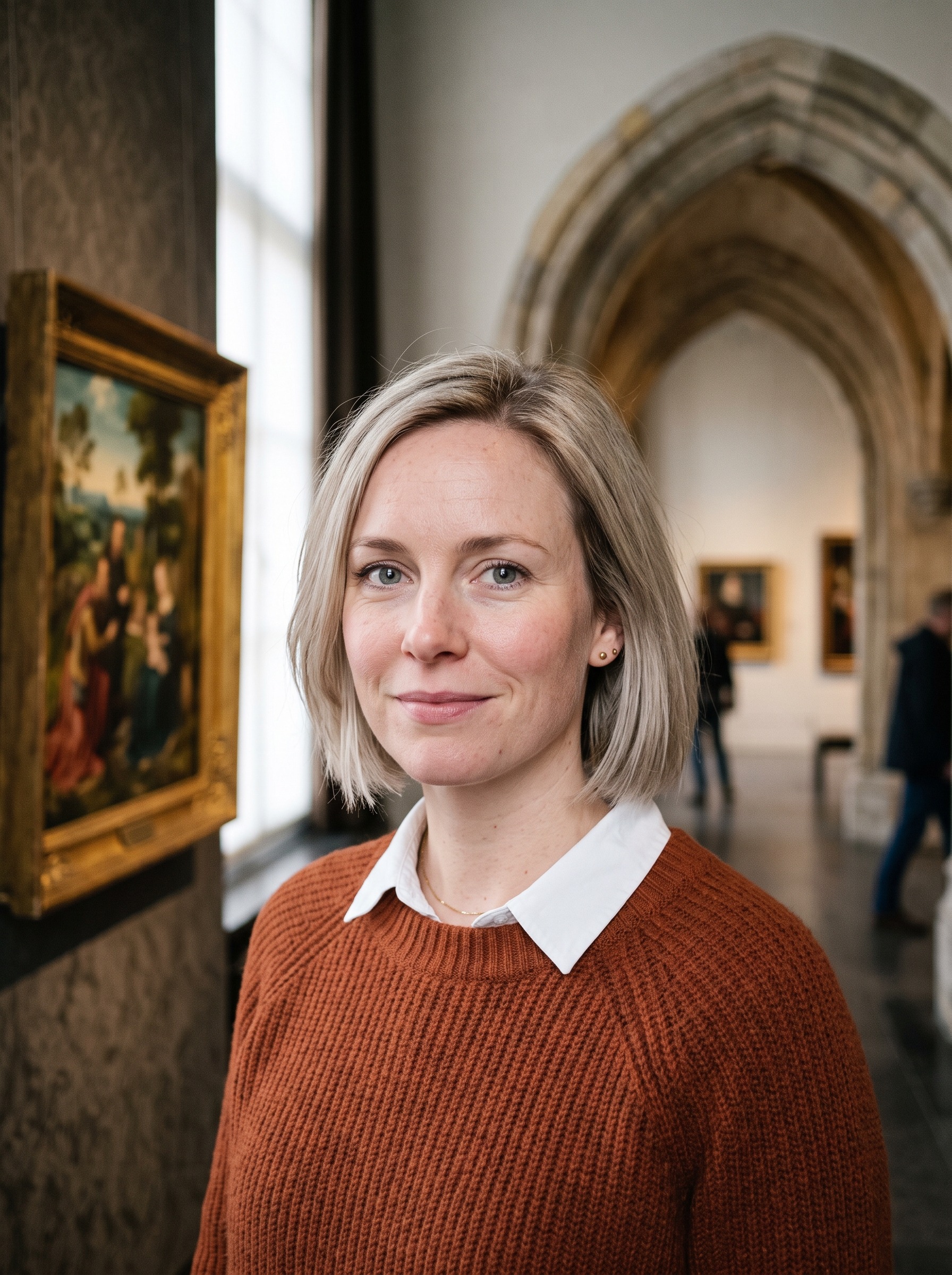 By Margot Devos

Ezelstraat begins with a straightness that feels almost rude for Bruges. From the Markt’s edge it runs out toward the Ezelpoort without bothering to meander, carrying the city from civic centre to moat, from carillon to ramparts, from the polished theatre of the squares to the more useful business of daily life. That, really, is the point of the Ezelstraat Quarter: it lets Bruges be inhabited rather than admired. The street is not a backdrop for carriage tours and waffle queues. It is a working strip, and the locals seem to know it.
What the Ezelstraat Quarter is known for
Ezelstraat is a gate street, one of those old medieval arteries that did not end politely at a square but pushed on to a city gate. Here the gate is the Ezelpoort, the Donkey’s Gate, named for the beasts that once hauled goods through it. The street’s twin, Sint-Jakobsstraat, joins the story, and together they form what Visit Bruges itself promotes as the locals’ favourite shopping streets. That is not the sort of claim made lightly in a city that can turn even a bakery queue into a procession. But here the pavements are more likely to carry residents with shopping bags, bikes, prams and dogs than day-trippers following an umbrella.
The architecture remains properly Bruges: gabled brick houses, narrow fronts, the decorative confidence of a city that knew exactly how it wanted to look in the Middle Ages and has stuck to the script ever since. Yet the ground floors do not all sell lace and magnets. They hold ateliers, tailors, florists with an eye for interiors, chocolatiers who have not changed their ways for the benefit of a coach party. The quarter is not museum-like; it is lived in. That is a more valuable quality, though it photographs less obediently.
At the Markt end, Sint-Jakobskerk keeps watch, a parish church founded around 1240 for merchants and aristocrats and enlarged in the 15th century under Burgundian patronage. It sits on the Via Brugensis pilgrimage route toward Santiago de Compostela, which gives the whole approach a certain old-world gravity before you have even crossed the first shopfront. Inside, there is Flemish art and funerary monumentality beneath a Baroque interior that has clearly had a few centuries to gather itself. This is Bruges in miniature: holy, practical, and not above a little display.

Walk west and the mood loosens gradually. The commercial pulse near the Markt gives way to a quieter, more residential rhythm as Ezelstraat carries you toward the gate. Shopkeepers sweep their steps. Someone wheels an armchair into a restorer’s window. A cyclist passes with the air of someone who has done this route a hundred times and still finds it preferable to the centre’s grander stage. By the time the street reaches the Ezelpoort, the city has thinned out to water, swans and ramparts. It is an unusually calm ending for a route that begins so close to Bruges’s busiest postcard.
Where to eat & drink
Ezelstraat’s food and drink scene is not large, but it is serious in the way Bruges often is when it stops trying to impress strangers. The standout is Locàle by Kok au Vin at Ezelstraat 21, Jürgen Aerts’s follow-up to the long-running Kok au Vin. It carries a Michelin Plate and cooks local, seasonal Flemish produce with the confidence of a kitchen that knows the market and doesn’t need to shout about it. This is relaxed, ingredient-led dining rather than square-side spectacle, the sort of place that reminds you how much better a city can eat once you leave the obvious addresses behind.

A little further along, Kottee Kaffee at Ezelstraat 68 gives the street its daytime pulse. The room is designer-furnished, with a long communal reading table that suggests people are expected to linger rather than merely caffeinate and flee. The menu speaks in the language of the good life without becoming smug about it: home-baked sourdough, farm-fresh cheese and charcuterie, a silky eggs benedict, matcha, specialty teas. It is one of the city’s top coffee spots, and you understand why the moment you sit down with a flat white and watch the street go by. The carillon drifts up from the Belfry a few hundred metres away; a shopkeeper sweeps a step; the whole quarter appears to be on its second cup.

For wine, Blend Wijnbar on Kuipersstraat 6 is a compact, serious little room run by Geert Van Hecke, the chef associated with the former two-Michelin-star De Karmeliet. The list is handled with the sort of calm authority that makes a wine bar feel like a conversation rather than a performance. You can drink by the glass or by the crate, and the tapas-style plates make it easy to stay longer than intended. It works as a pre-dinner stop, a nightcap, or the whole evening if you are the sort of person who prefers conversation to noise.
And then there is Spegelaere Chocolaterie at number 94, which is the kind of place local people mention as though it were self-evident. It has been a three-generation family maker, and its marzipan- and praline-filled chocolate grape clusters are beloved by residents and almost unknown to visitors. That is a useful distinction in Bruges, where the famous names are often the least interesting ones. Here the reward is not novelty but continuity.

Freddy’s by Kok au Vin, around the corner at Sint-Jakobsstraat 63 in the historic De Bottelier building, opened in December 2025 and brings a nostalgic, warmer counterpoint to Locàle. Think classic bistro dishes and comfort rather than kitchen minimalism. It is the sort of place that suits this quarter’s temperament: no fuss, no theatre, just a sensible respect for dinner.
Going out
Set your expectations properly and Ezelstraat will reward you. This is a daytime neighbourhood first and a dinner neighbourhood second. Once the shops shut, the street settles down early. There are no clubs here, and essentially no late bars on the strip itself. The evening life is quieter, more domestic, and all the better for it. If you are looking for a long dinner, Locàle and Freddy’s are the obvious anchors. If you want a drink that feels chosen rather than stumbled into, Blend Wijnbar is the quarter’s best evening option, with its curated wines and small plates near the Ezelstraat car park.
That restraint is not a lack. It is simply a different use of the city. Bruges has never needed to prove it can stay awake until three. From Ezelstraat, the better move is to dine well, then either drift home or walk five minutes to the Markt if you need the beer-cafe circuit. There, the old reliables are waiting: ’t Brugs Beertje with its 300-bottle list, the vaulted cellar bar Le Trappiste, and the hidden alley tavern De Garre with its 11% house tripel. But the point of Ezelstraat is that you do not have to begin there. You can have a proper evening first, in a room where the staff know the list and the neighbourhood knows the hour.
Things to do / what to see
The quarter rewards walking more than ticking boxes. Start at Sint-Jakobskerk for a quick look at the church’s art-filled Baroque interior, then let Ezelstraat do what it was built to do: lead you west. The pleasure is in the sequence. First the church, then the ateliers and boutiques, then the gradual thinning of footfall, then the gate itself. It is one of those routes where the walk is the thing, and the destination merely confirms you were right to take it.
Frederiek Van Pamel at Ezelstraat 33 is a good place to pause on the way. It is a florist-meets-interiors emporium in a converted 18th-century townhouse, and the combination is more convincing than it sounds. Conservatory, fireplaces, lacquerware, marble, blankets, candles: the stock is eclectic without becoming chaotic, and the house gives everything a proper setting. You come away with the sense that someone has thought carefully about how Bruges homes should feel, which is more useful than another souvenir spoon.

De Krokodil at Sint-Jakobsstraat 47 is the quarter’s antidote to plastic noise. It is a long-running wooden-toy shop stocking board games, dolls’ houses and craft kits, the sort of place that makes adults nostalgic and children briefly sensible. Bruges has no shortage of charm, but this is the kind that earns its keep.
The payoff, though, is the Ezelpoort. The Donkey’s Gate is one of only four surviving medieval gates in Bruges, rebuilt in 1369 and unusually ringed entirely by water. It stands mid-moat, framed by swans, with the leafy ramparts running off in both directions. After its 1990s restoration it won a Europa Nostra award, which sounds appropriately European: careful, architectural, and slightly proud of being careful. It is also one of the least crowded gate views in the city, which is perhaps the more persuasive distinction. From here you can join the flat rampart cycle-and-walk loop that circles the medieval centre past the surviving windmills and gates. Bruges is often at its best when it is moving in a circle rather than posing in a square.
{{ATTRACTIONS}}
Shopping & markets
Shopping is the whole point here, and it is shopping with a conscience. The Ezelstraat Quarter is the antidote to the souvenir strips near the Markt. Along Ezelstraat and Sint-Jakobsstraat, the mix runs to interiors, fashion, tailoring and craft, with the occasional newer concept store folded into the redevelopment around the former Weyler Barracks. It is not a district for hurried browsing. Many of the shops keep irregular or afternoon-heavy hours, which is another way of saying you should not arrive at 10 a.m. and complain that Bruges has not yet arranged itself around you.
Café Costume at Ezelstraat 12 makes affordable made-to-measure suits, roughly €450–950, chosen over two fittings. That is a proper Bruges transaction: measured, practical, and rather more useful than a box of truffles. Frederiek Van Pamel, already worth the detour for its florist-interiors hybrid, also belongs in the shopping conversation for candles, blankets and objets from around the world. Boetiek Ruth on Sint-Jakobsstraat brings owner-curated fashion into the quarter, mixing French, Belgian, Scandinavian and Italian labels without forcing the result into a concept-store sermon. And Spegelaere Chocolaterie at 94 remains the local chocolatier of choice, which is exactly the sort of place you should prefer to the one with the most polished window.
The quarter’s retail character is easy to describe and hard to fake. It is useful, tasteful and independent, with enough old fabric in the walls to prevent the newer additions from looking too self-conscious. If you want a city that still dresses its windows for the people who live there, this is the strip.
Where to stay in the Ezelstraat Quarter
This is a stylish, quieter base that keeps you inside the medieval centre without putting the Markt’s crowds and carillon directly under your window. The trade-off is simple enough: you give up the immediate drama of the Belfry for calmer evenings, better coffee and independent shopping downstairs. That is not a bad bargain, especially if you have already done the headline Bruges circuit and now want the city to behave like a place where people have errands.
The eastern end, nearer Sint-Jakobskerk and the Markt, is the most convenient if you want the main squares within a few minutes’ walk. The western end, toward the Ezelpoort, is more residential and quieter, better if you prefer silence and swan-lined ramparts over footfall. Accommodation here tends toward small boutique hotels, B&Bs and guesthouses rather than chains, and prices generally sit a notch below the canal-front rooms in the tourist core. The live hotel options render below; if it is your first trip, stay toward the Markt end. If you are after quiet, the gate end has the better manners.
{{HOTELS}}
Getting around
Everything in this quarter is walkable, and that is the main convenience. Sint-Jakobskerk and the eastern end of Ezelstraat are about five minutes on foot from the Markt, so the Belfry, Burg and canal boarding points are close without being on top of you. The whole area is flat and compact, and the street runs in a straight ten-minute walk from the Markt end down to the Ezelpoort and the ramparts. Bruges is also a cycling city, and the rampart loop passes the gate; a hired bike, at roughly €12–15 per day from shops near the station, makes short work of the walls and windmills.
Bruges railway station is roughly a 15-minute walk or a short bus ride to the south, with fast trains to Brussels in about an hour and onward to Brussels Airport in about 1 hour 30 minutes. One practical caveat: the western half of Ezelstraat was repaved in phases through early 2026, with the section toward Sint-Jakobsstraat closed to through-traffic and finishing around 20 March 2026. If you are visiting in that window, check for lingering works and diversions, though pedestrian access to the shops stayed open throughout.
Ezelstraat Quarter is for people who like Bruges best when it is being itself rather than performing itself. You come for a suit fitting, a proper coffee, a chocolatier the tour groups never found, and a gate where swans outnumber visitors. Then you realise the city has been doing this quietly all along.
FAQs
Is the Ezelstraat Quarter a good area to stay in Bruges?
Yes, if you want a quieter, more local base inside the medieval centre. You’re about five minutes from the Markt, but away from the worst crowds and carillon noise, with good coffee, independent shops and local restaurants nearby. First-time visitors who want the headline sights on the doorstep may prefer the Burg and Markt core; everyone else usually gets better value and more calm here.
What is Ezelstraat known for?
It’s one of Bruges’ locals’ favourite shopping streets, running from near the Markt out to the moated Ezelpoort, or Donkey’s Gate. Expect independent boutiques, interiors, antiques, a made-to-measure tailor, Spegelaere Chocolaterie at number 94, Kottee Kaffee for brunch and Locàle by Kok au Vin for Michelin-listed dining — all without the tourist-square markup.
Is there much nightlife in the Ezelstraat Quarter?
Not really. It’s a daytime and dinner neighbourhood that goes quiet once the shops close. The evening highlight is Blend Wijnbar for wine and small plates, or a long dinner at Locàle or Freddy’s. For proper Belgian beer bars like ’t Brugs Beertje or De Garre, walk five minutes to the Markt area.
How far is Ezelstraat Quarter from Bruges’ main sights?
Very close. The eastern end near Sint-Jakobskerk is about a five-minute walk from the Markt, and the street runs straight down to the Ezelpoort in about ten minutes. Bruges railway station is roughly 15 minutes away on foot.