Bologna guide
University District, Bologna: student life, late-night bars and the old university
From Via Zamboni to Piazza Verdi, Bologna’s Zona Universitaria is where the city turns young, cheap and gloriously lived-in, with centuries of scholarship beside spritzes, jazz and ragù.
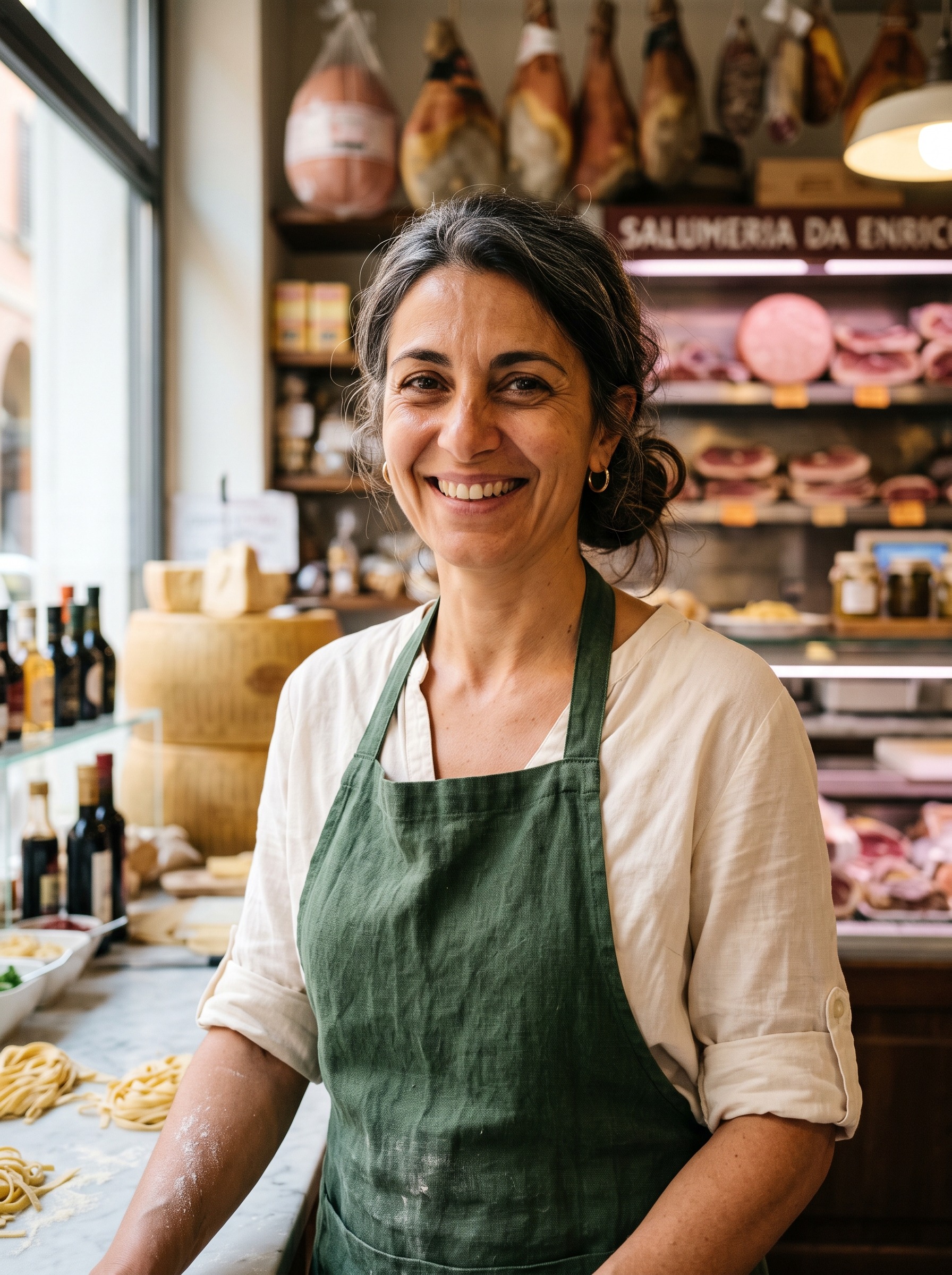

Via Zamboni begins at the Two Towers and, within a few minutes’ walk, the city changes register. The façades stay porticoed, the stone still looks old enough to have opinions, but the mood shifts: fewer pilgrims, more students; fewer cameras, more flyers; less museum hush, more argument over coffee and a cheap lunch buffet. This is the Zona Universitaria, the stretch of Bologna that wraps itself around the Alma Mater Studiorum, founded in 1088 and still, improbably, operating in the same city, on the same streets, with the same stubborn sense that books and politics and late-night beer are all part of one long conversation.
What the University District is known for
The university is the headline, but the atmosphere is the real story. The buildings of the Alma Mater Studiorum are scattered along Via Zamboni rather than hidden behind a campus gate, so the street itself becomes the institution: lecture halls, faculty buildings, bookshops, bars, and the occasional demonstration all sharing the same pavement. The ceremonial centre is Piazza Verdi, a broad square named for the composer and fronted by the neoclassical Teatro Comunale, opened in 1763 and still one of Italy’s important opera houses. By day, students sprawl on the steps; by night, the square turns into an open-air bar, with live music some weekends and beers carried in from nearby shops.

The district’s other defining trait is that it is cheap. Not cheap in the romantic, hand-wavy sense that travel brochures like to use, but concretely cheap: a €3 spritz on a student card, a €12 lunch buffet, a plate of tagliatelle for less than you would pay near Piazza Maggiore. That matters here, because the Zona Universitaria is not a polished stage set. It is a lived-in corridor of studying, arguing, eating and drinking, with graffiti on the porticoes, political posters on the walls, and the occasional protest spilling out of Piazza Verdi. Bologna has long been Italy’s most left-leaning student city, and this is where that identity shows itself without asking permission.
In the daytime the rhythm is all bookshops, cheap lunches and lecture-hall churn. In the evening it becomes something more improvised: a beer bought from a corner shop and drunk on the theatre steps, or an aperitivo with a plate of free snacks that arrives before you have even decided whether to stay. In August, when the students leave for the holidays, the whole quarter goes quiet and slightly forlorn. Useful to know, if your idea of bliss is peace. For everyone else, the livelier months are when the district feels most itself: noisy, scruffy, and oddly affectionate in its own way.
Where to eat & drink
If Bologna has a student dining room, it is Osteria dell'Orsa on Via Mentana, a couple of minutes off Piazza Verdi. It began as a punk-ish counter-culture spot and never quite shed that energy: the long communal tables, the political posters on the walls, the sense that lunch and dinner are both public events. The dish to order is the tagliatelle al ragù, done properly and priced for actual human beings rather than for the tourist trade. A full meal lands around €12–18, water and wine included, and there are no reservations, which means the queue is part of the ritual. Go early, or go off-peak; the city has better things to do than watch you arrive hungry and underprepared.

Along Via Zamboni, Caffè Zamboni does a straightforward lunch buffet — salads, hot dishes, a drink — for around €12, with pavement tables that are ideal for watching the district flow past. It is the kind of place that reminds you Bologna does not need to perform generosity; it just puts food on the table and lets the street do the rest.
The aperitivo ritual is even more central here. Buy a spritz for roughly €6–8 in a bar, or as little as €3 at Piccolo & Sublime if you flash a university ID, and you get the free snack spread that comes with the territory. Beer in the student bars runs €3–5, cocktails €6–9, which is genuinely cheap for a city centre. This is not finesse; it is social glue. People come out in the late afternoon, stay for the snacks, and somehow find themselves still there when the square has filled and the evening has taken over.
Going out
Nightlife in the University District is affordable, loud and easy to fall into. The gravitational centre is still Piazza Verdi, where the pre-dinner aperitivo bleeds into people simply sitting out with beers bought from the corner shops. By around 9pm on Fridays and Saturdays, the crowd thickens, the square becomes a little more theatrical, and the line between going out and just being outside disappears altogether.
For a place with a roof and a proper bill, Cantina Bentivoglio on Via Mascarella is the class act. It sits in the Renaissance cellars of Palazzo Bentivoglio and pairs Bolognese cooking with live jazz nightly, Monday to Saturday, roughly 8pm to 1am. The wine list runs to hundreds of labels, and DownBeat magazine has listed it among the world’s notable jazz clubs. It is one of those rooms that makes you lower your voice on entry, not because anyone tells you to, but because the ceiling, the cellar, the music and the old stones all seem to deserve a little respect.

At the other end of the spectrum, Cluricaune Irish Pub at Via Zamboni 18b is exactly what the address promises: cheap beer, live music and sport on the screen, a student-nightlife fixture without any pretence of being anything else. And if you want cocktails with a sense of occasion, Le Stanze on Via delle Belle Arti pours drinks in the frescoed former private chapel of the Bentivoglio family. The room alone earns its keep. Between these places, you can move from an easy €4 beer to a serious Negroni without ever leaving the quarter, which is perhaps the most Bologna sentence I can write about a night out.
Things to do
For a district defined by drinking and studying, there is a surprising amount of high culture packed into a very small map. The Pinacoteca Nazionale di Bologna at Via delle Belle Arti 56 is the big one: the national gallery, strong on Emilian painting from the 13th to 18th centuries, with rooms devoted to the Carracci, Guido Reni and Guercino, plus visiting names like Giotto, Raphael and Titian. It is open Tuesday to Sunday and closed Mondays, which is the sort of practical fact that saves a wasted walk and a bad mood.

Just up Via Zamboni at number 33, Palazzo Poggi Museum & Torre della Specola turns the university’s scientific history into something tangible: 16th-century frescoed halls filled with antique maps, naval models, anatomical wax figures and instruments, plus access up the 18th-century astronomical tower. A major restyling from early 2026 extended the visit into the university library’s monumental Aula Magna. This is Bologna at its most scholarly and most theatrical at once: the city of lectures, measurements and celestial ambition, all in one building.
For the university’s most famous single room, walk to the edge of the quarter to the Archiginnasio & Anatomical Theatre. The 17th-century spruce-carved anatomy theatre is a tiered chamber built entirely around a marble dissection table, and tickets are limited and sell out, so book ahead. It is one of those rooms that makes the city’s academic history feel physical rather than abstract: wood, marble, tiers, the old logic of looking down at knowledge as if it were a stage.

Northwest, a short walk through the DAMS arts faculty streets, MAMbo at Via Don Minzoni 14 anchors the Manifattura delle Arti cultural quarter. It is the modern-art counterpoint to the old university buildings and one of the reasons this district never feels trapped in the past. Keep the map handy too for the Finestrella di Via Piella, the little window at Via Piella 25 that frames a hidden canal on the edge of the neighbouring Ghetto. It is free, open all hours, and worth the two-minute detour, especially if you like your city with a secret seam in it.
{{ATTRACTIONS}}
Shopping
Shopping in the Zona Universitaria means bookshops first and foremost. This is a university quarter, so print still matters here, and nobody is embarrassed about carrying a stack of reading material under an arm. Libreria Feltrinelli International at Via Zamboni 7 carries foreign-language titles alongside the Italian shelves, which is useful if you want something to read in English. Independents like Libreria Irnerio stock the serious university texts, travel books and stationery that keep the neighbourhood turning over. Browsing them is half the pleasure of the street; there is a particular satisfaction in watching a district reveal itself through what it sells to its own people.
Beyond the books, expect small student-priced practicalities rather than fashion boutiques: cheap eateries, stationers, record and comic stores, and second-hand finds tucked under the porticoes. If you want a proper food market, the closest is the covered Mercato delle Erbe a few minutes west toward Via Ugo Bassi, Bologna’s largest indoor market, now as much an eating-and-drinking destination as a place to buy produce. Stalls and counters serve lunch and aperitivo, which makes it an easy rainy-day fallback and a useful reminder that Bologna’s appetite is never purely about shopping.
Where to stay in the University District
Staying here buys you a very central, very affordable base. The price feel is firmly budget to mid-range, skewed toward hostels, guesthouses and simple three-star hotels rather than anything luxurious. That is the honest trade-off. You get walkable access to the old centre, the university buildings, the galleries and the bars, but you also get the soundtrack that comes with a student quarter. The closer you sleep to Piazza Verdi and the Via Zamboni bar strip, the livelier — and later — the night becomes.
Rooms a block or two off the main drag, toward Via San Vitale or up near Porta San Donato at the quieter top end of the quarter, give you the location without the 2am chorus. If you want the same central position but a calmer night, the adjoining Jewish Ghetto just west — the warren of lanes around the Finestrella — is quieter while still a few minutes from the university action. Everything here is walkable: roughly ten to fifteen minutes on foot to Piazza Maggiore and the Two Towers, and about twenty minutes to the central station.
{{HOTELS}}
Getting around
The University District is small and flat, and you will cross it on foot in minutes, much of it under porticoes, so you stay dry when it rains. Via Zamboni is the spine: it starts at the Two Towers, Garisenda and the leaning Asinelli at the junction with Via Rizzoli, and runs up past Piazza Verdi to Porta San Donato. The Asinelli tower climb has been closed for safety works tied to the neighbouring Garisenda, so check before you count on the view.
Bologna has no metro; the network is buses, but the historic centre is compact enough that walking usually beats waiting. Piazza Maggiore is a ten-minute stroll from Piazza Verdi, and Bologna Centrale — the main train station, and your fast link to Florence and Milan — is roughly a twenty-minute walk or a short bus ride northwest. For the airport, Bologna Marconi is about 15 minutes out by the Marconi Express monorail from Bologna Centrale, so budget the walk or bus to the station first. The district’s practical charm is that you rarely need to think too hard: the streets are legible, the distances short, and the city’s old habit of making everything reachable on foot still holds.
The University District is not Bologna polished for display. It is Bologna in motion: bookish, boisterous, inexpensive, and occasionally unruly. That is precisely why it matters. You come here for the university, yes, but you stay for the way the quarter lets scholarship, politics, ragù, jazz and cheap beer sit at the same table without anyone pretending it is a lifestyle concept. It is simply how the city lives.
FAQs
Is the University District a good area to stay in Bologna?
Yes, if you want a central, budget-friendly base and do not mind noise. It is about a ten- to fifteen-minute walk to Piazza Maggiore and the Two Towers, with hostels and simple hotels at student prices. Light sleepers should book a room a block or two off Via Zamboni and Piazza Verdi, or consider the quieter adjoining Ghetto.
Is the University District safe?
It is a lively, well-trafficked student quarter and safe for the most part, day and night. The main caution is the usual big-city sense around Piazza Verdi and Via Zamboni late at night, which gets crowded and rowdy at weekends. Watch your belongings and expect noise rather than real danger.
What is the best cheap thing to eat and drink here?
Tagliatelle al ragù at Osteria dell'Orsa on Via Mentana is the classic move: a decades-old student osteria with communal tables, no reservations and a full meal for around €12–18. For drinks, the aperitivo ritual is the bargain, with spritzes from about €6–8, or around €3 at Piccolo & Sublime on a student ID.
What should I not miss in the University District?
Piazza Verdi for the atmosphere, the Pinacoteca Nazionale for old masters, Palazzo Poggi for the university’s science history, and the Archiginnasio & Anatomical Theatre for one of Bologna’s most memorable rooms.