Bogota guide
Usaquen, Bogota: a village-slow northside with a Sunday pulse
At Bogota’s far northern edge, Usaquen keeps its colonial bones, its Sunday flea-market swagger and its fondness for long brunches, rum flights and terrace dinners that drift into the cool evening.
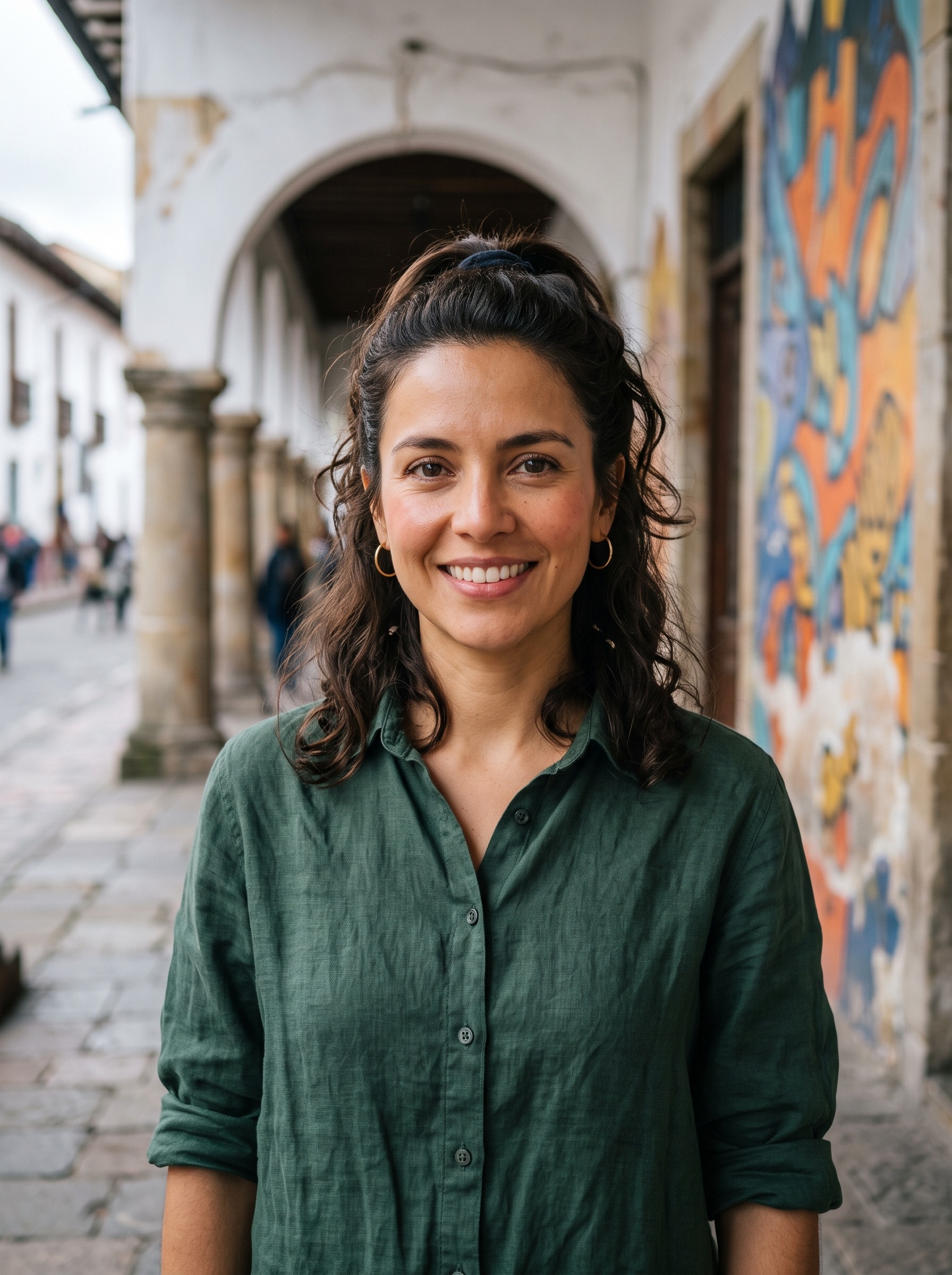

Usaquen announces itself best on a Sunday morning, when Carrera 6A is already busy by around 9am and the flea market begins to spill its wares into the street: woven mochilas, old silver, ceramics, leather bags, a few antiques with better stories than provenance, and the smell of arepas and tinto drifting between the stalls. The square beside it moves at a different tempo. The benches around Plaza de Usaquen are shaded, the white facade of Parroquia Santa Barbara keeps the scene politely anchored, and the whole place feels less like a district than a small town that has been stitched, somewhat reluctantly, into the northern edge of Bogota. That is its charm. Usaquen was once separate, and it still behaves as if the city has not entirely convinced it otherwise.

What Usaquen is known for
Usaquen’s identity is built around a square and a market, and both are worth the trip north. The Plaza de Usaquen is the barrio’s social centre, the place where families settle in for a long lunch, couples drift from coffee to cocktails, and locals treat the benches like an outdoor sitting room. It is a calm, affluent, well-policed corner of the city, but not in a sterile way; the energy is domestic, almost neighbourly, even when the terraces are full.
The square’s most important building is the Parroquia Santa Barbara de Usaquen, a whitewashed church that grew from a 1665 Dominican chapel into the parish that gives the plaza its colonial face. It is the sort of church that makes modern traffic seem briefly irrelevant. Around it, low tile-roofed houses and cobbled lanes preserve the look of the old municipality that Usaquen once was before Bogota absorbed it in the mid-20th century. The effect is not theme-park colonial, which is a relief. It feels lived in.
Then there is the Mercado de las Pulgas, the Sunday flea market that takes over Carrera 6A and the surrounding streets. It has been running since 1990, which in market years is enough to give it a proper sense of ritual. Come for handwoven crafts, art, jewellery, antiques and the usual pleasing chaos of a market that knows exactly what it is doing. Stay for the street musicians and the food carts turning out arepas, obleas and coffee while the crowd thickens by degrees. This is the best reason to time Usaquen for a Sunday, and the neighbourhood knows it.

A little farther out, the Hacienda Santa Barbara shows another side of the neighbourhood’s history. The 1840s estate house has been converted into a shopping and dining complex, but the original adobe walls and courtyards remain visible, which keeps the place from feeling too airless or polished. Usaquen likes to dress its modern life in colonial clothes, and this is the most successful version of that instinct.
Where to eat & drink
This is a serious eating neighbourhood, and it knows brunch is the opening act. Abasto on Carrera 6 No. 119B-52 is the standard-bearer: chef Luz Beatriz Velez runs a farm-to-table kitchen out of a former grain depot, with an open kitchen and an adjoining bodega selling the produce she cooks with. On weekends, roughly from 9am to 2pm on Saturday and Sunday, the room fills with the sort of people who understand that brunch should be a meal, not a marketing slogan. Order the arepa de huevo, the house-baked breads, fresh lulo or maracuya juice, or shrimp in coconut sauce if you want to remember that Bogota can do coastal flavours with surprising conviction. Book ahead or queue. Either way, you will earn your breakfast.

Right on the square, Canasto Picnic Bistro is the easygoing answer to a long morning. Its terrace looks out onto the plaza, and the all-day brunch menu leans veg-friendly without becoming sanctimonious, which is a small mercy. Pancakes, eggs, a bit of sun, a bit of people-watching: sometimes that is enough. Nearby, Tienda de Cafe on Calle 119 #6-16 has two terraces overlooking the park and a charcoal grill it has been working for more than two decades. It is the sort of place where lunch can quietly become late afternoon while nobody seems in a hurry to move you along.
For dinner, Usaquen turns more assured and a little more polished. 80 Sillas on Calle 118 #6a-05, from the Takami group, does seafood and ceviche with Colombian touches — papa criolla, avocado, bright flavours that keep the plate from floating off into generic coastal chic. Bistronomy on Carrera 6 #119-24, from the Rausch brothers, leans French and is happiest in the company of Alsace, Burgundy and a solid wine list; weekends bring live music, which gives the room an agreeable hum. Mister Ribs on Calle 119 No. 6-6 has been grilling baby-back ribs near the plaza for decades, and longevity counts for something in a city that can be fickle about its barbecue. For the more traditional end of the spectrum, Casa Vieja serves the ajiaco-and-bandeja canon, while Julia covers wood-fired pizza, salads and house ice cream with the kind of broad-shouldered practicality that makes it useful on any night of the week.

Going out
Usaquen’s nights are not built for chaos, which is precisely why they work. This is a neighbourhood that prefers cocktails and conversation to club smoke and 4am bravado. The signature stop is Pedro Mandinga Rum Bar on Calle 117 #6a-05, a three-storey house devoted to rum and to the idea that drinks should come with a little narrative. The menu is organised into tasting journeys by region: a Colombian flight might run through La Hechicera, Dictador and Ron Medellin 12, while a Panamanian one is built around the house’s own Pedro Mandinga rums. There is regular live music too, which keeps the place from becoming merely a tasting room with better lighting.

If your evening wants to stay on the gentler side, Bogota Beer Company has a branch just off the square pouring its own craft beers, and that is often enough for a decent night. BrewPub Rooftop takes the idea higher — literally — on the 11th floor of Tower 123, where it bills itself as the highest brewery in the country and pairs house beer with skyline views and live music most nights. The appeal here is not adrenaline. It is altitude, a cold drink and the pleasure of seeing the city spread out under you while the temperature drops and the terraces start handing out blankets.
Several plaza-side restaurants, including Bistronomy, run weekend live sets, so the simplest strategy is to eat late and let dinner slide naturally into drinks. Usaquen’s version of nightlife is grown-up, slightly polished, and content with itself. If you want big dancefloors, you can go elsewhere. This neighbourhood would rather pour another rum flight and keep talking.
Things to do and what to see
The obvious first stop is the Mercado de las Pulgas de Usaquen, and it deserves the attention. Come mid-morning, bring cash, and give yourself time to work Carrera 6A and the side streets before the crowds thicken. The market is strongest when you move slowly through it: one stall for woven craft, another for leatherwork, then a table of art or antiques that makes you pause longer than you expected. Around the edges, food carts and musicians keep the atmosphere loose. It is not a place to rush, and the neighbourhood would consider that rude.
The square itself is worth the lingering. Walk the Plaza de Usaquen, step into the Parroquia Santa Barbara de Usaquen, and then let the cobbled lanes do the rest. What survives here is not just architecture but a way of moving through a place: slower, more social, less performative than the centre. Usaquen’s colonial bones are visible without being embalmed. That matters.
The Hacienda Santa Barbara is another worthwhile stop even if you are not shopping. The old estate’s courtyards and adobe walls are preserved inside a modern mall, and the contrast is the point. It is a reminder that Bogota often prefers to layer history rather than freeze it. A city that can’t resist a good mall has at least had the decency to build it around something old.
For a more unusual outing, the Tren de la Sabana departs on weekends from the historic Usaquen station for a slow, festive run north towards Zipaquira and its salt cathedral. It is a half-day trip in its own right, and one of the more charming ways to leave the neighbourhood without really leaving its mood behind.
Coffee, naturally, becomes its own small pilgrimage here. Usaquen has the sort of audience that will happily turn a tasting into an afternoon plan, and the neighbourhood’s cafes know it.
{{ATTRACTIONS}}
Shopping
Shopping in Usaquen splits neatly between the Sunday market and the fixed addresses that keep the neighbourhood interesting the rest of the week. The Mercado de las Pulgas is where you go for handmade Colombian craft: woven mochila bags, ruanas and ponchos, leather goods, jewellery, ceramics and art from independent makers. There is also a secondary section for antiques and repurposed home goods, which is where the market gets a little more rummage-and-discovery in the best sense. It runs on Carrera 6A on Sundays and public holidays, sometimes Saturdays too, and cash is essential. This is not the place to assume your card will save you.
For a roof over your head while you browse, the Hacienda Santa Barbara mall mixes local designers with international brands inside the restored hacienda. It is useful on rainy days and, unlike many malls, still lets the past leak through the present in the form of courtyards and old walls. Around the plaza, independent boutiques and design shops thread through the streets, and for craft with provenance the Artesanias de Colombia network is the name to know for traditional work such as Wayuu bags and regional ceramics.
Coffee doubles as a souvenir here, which is a very Bogota solution to shopping. Both Cafe San Alberto and Catacion Publica sell bags of single-estate Colombian beans to take home, so you can leave with something that will not gather dust on a shelf.
Where to stay in Usaquen
Usaquen suits travellers who want a calm, upmarket base and do not mind being far north. The best place to stay is within walking distance of the plaza and Carrera 6, close enough to the market, brunch spots and bars that you can move around on foot by day and dip back to your room before the evening cools down. The Santa Barbara pocket just south, around the business towers and the Hacienda Santa Barbara mall, is convenient and secure, and it puts you a short stroll from the old centre; it has a slightly more corporate feel, which some travellers will appreciate and others will file under “fine, I suppose.”
Accommodation here runs more to boutique hotels and short-stay apartments than to big international chains or hostels, so the price feel is mid-range to upmarket. Light sleepers should note that the plaza edge gets busier on weekend nights, while the residential blocks a couple of streets back are genuinely quiet. This is a neighbourhood for people who like their evenings civilised and their mornings unhurried.
{{HOTELS}}
Getting around
Usaquen is walkable once you are in it. The plaza, market, restaurants and bars cluster within a few blocks of Carrera 6 and Calle 119, so most of the pleasure here comes from strolling rather than planning. But it is also a long way from the rest of Bogota, and that matters. The neighbourhood sits at the far north of the city, so if you are sightseeing daily in La Candelaria or the historic centre, a rideshare or taxi can take the best part of an hour in traffic. Budget for that. Bogota is many things, but it is not a city that apologises for distance.
TransMilenio does not run into the old centre of Usaquen, so the practical approach is to ride the trunk line to a northern station such as Calle 100, or a northern portal, and take a short taxi, Uber or Cabify for the last stretch. From El Dorado airport, the trip is around 16km and roughly 20 to 40 minutes by car depending on traffic, with fixed-price white taxis running about COP 60,000; rideshare is similar and usually easiest. Within the neighbourhood, walk by day. After dark, even short hops are better done by taxi app, because the commercial streets quieten quickly once dinner ends and the terraces empty.
Usaquen is one of Bogota’s safer, more affluent districts, comfortable by day and lively enough at night around the plaza and its restaurants. It is not the place for big-club chaos, and it is not trying to be. Its gift is calmer: a colonial square, a serious brunch scene, a market that still feels like an event, and nights that end with another drink rather than a lost shoe.
FAQs
Is Usaquen a good area to stay in Bogota?
Yes — if you want a calm, safe, upmarket base and you do not mind being far north. You will be close to the Sunday market, strong brunch spots and grown-up bars, with quiet residential streets a few blocks back. The trade-off is distance: getting to La Candelaria or the downtown museums can take close to an hour in traffic, so it suits relaxed trips more than sightseeing marathons.
Is the Usaquen flea market only on Sundays?
The Mercado de las Pulgas runs on Sundays and public holidays, and often Saturdays too, from around 9am. Sunday is the full, busiest day, with the most stalls, street music and food. Come mid-morning before it gets crowded, and bring cash — most vendors do not take cards.
Is Usaquen safe at night?
It is one of Bogota’s safer, well-policed districts and is fine around the busy plaza and its restaurants and bars in the evening. Because much of the area is commercial, the streets a few blocks out go quiet after dark, so stick to the lively blocks and take a taxi app back to your hotel rather than walking long distances late.
What is Usaquen best for?
Usaquen is best for the Sunday flea market, brunch, cocktail and craft-beer bars, and as a calm upscale base in the north of Bogota. It is a good fit for couples, families and travellers who prefer long meals and a village-like atmosphere over clubbing or heavy sightseeing.