Beijing guide
Wudaokou, Beijing: the student quarter that eats, studies and stays up late
Between Tsinghua and Peking University, Wudaokou is Beijing at its most practical and most alive: a noisy, international district of cheap grills, 24-hour cafes, student bars and campus days out.
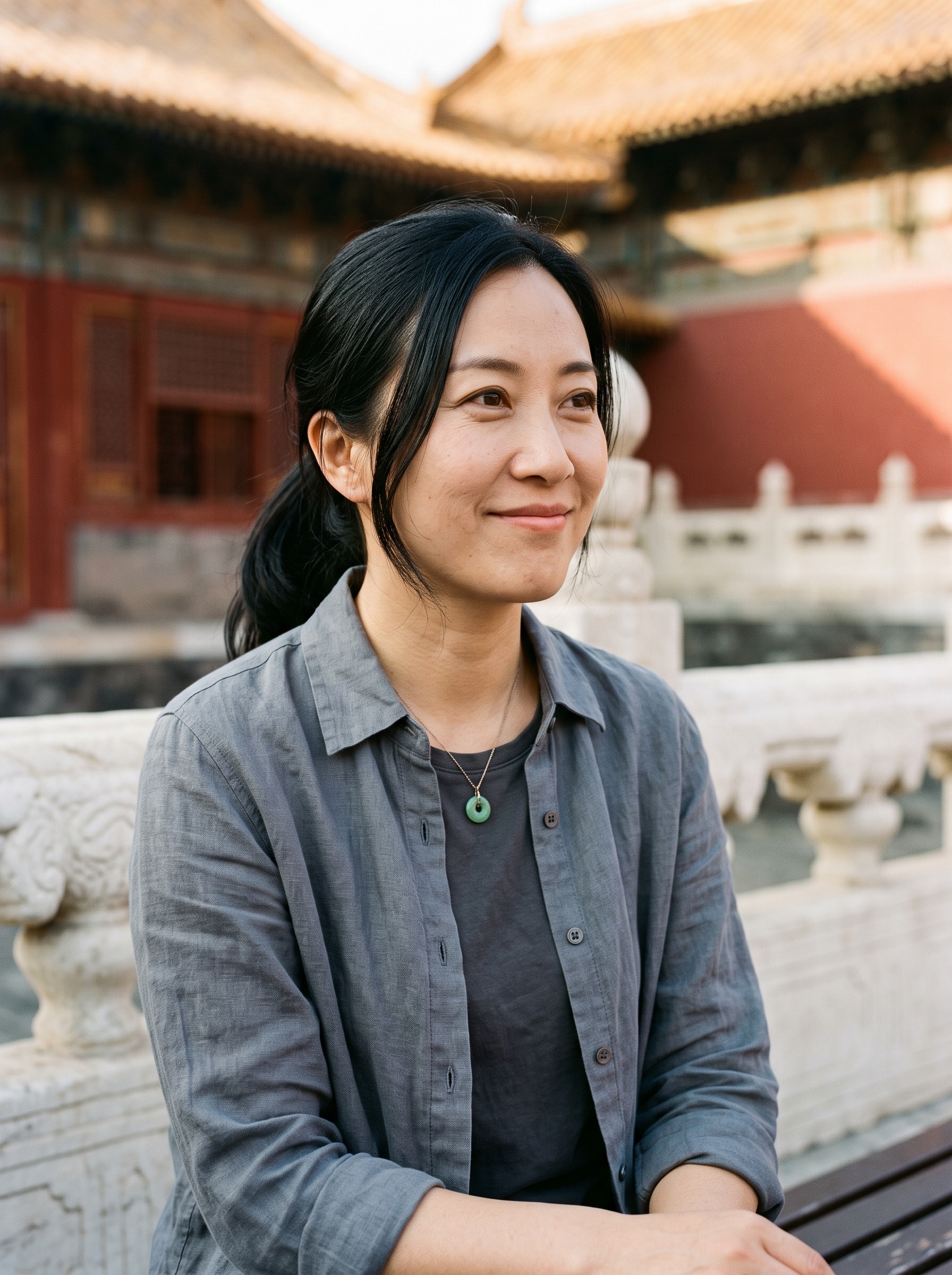 By Zhao Meilin

Five roads meet at Wudaokou, and the neighbourhood behaves as if the whole city has been funnelled into that junction and told to eat something cheap before the next class. The elevated Line 13 station hovers above Chengfu Road; below it, the pavements around Huaqing Jiayuan fill with students from a dozen countries, the signage flips between Chinese, Korean and English, and the air is thick with grill smoke, bubble tea and the low, relieved noise of people between deadlines. It is not a polished district. That is the point. Wudaokou has the plain confidence of a place that knows exactly who it serves: students, teachers, language learners, and anyone happy to trade a little distance from the centre for a neighbourhood that runs on noodles, barbecue and 2am revision sessions.
What Wudaokou is known for
Wudaokou’s story begins with universities, and never really leaves them. Tsinghua University and Peking University sit within a couple of kilometres of the station, with Beijing Language and Culture University, Beihang, the University of Science and Technology Beijing and Beijing Forestry University also pulling their own gravity into the district. That density is why the place feels so young even in the middle of the day: tens of thousands of students, many of them international, all moving through the same few streets, all looking for the same things — lunch, coffee, a cheap dinner, somewhere to sit down, somewhere to stay up.
The neighbourhood’s second identity is older and more specific: Beijing’s oldest Koreatown. South Korean students began settling here in the early 1990s to study Mandarin, and they brought with them the restaurants, grocery shops and late-night habits that still shape the area. You smell Wudaokou before you properly see it. Charcoal, gochujang, frying oil. The hiss of grilled cold noodles on a flattop. K-pop leaking from a dessert counter. A permanent hum of argument, flirting and exam panic. Around Huaqing Jiayuan, the residential-and-commercial warren on Chengfu Road, that atmosphere becomes almost architectural: food and drink are stacked into towers, and the whole district seems to revolve around the station and its student crowd.
This is the part of Beijing that makes sense if you are hungry, broke or both. It is cheaper and scruffier than Sanlitun, and prouder of it. People do not come here to be seen. They come because the next meal is close, and because the campus is close, and because the next study break has already been negotiated.

Where to eat & drink
Start with the obvious truth: Wudaokou is a food neighbourhood first and a Beijing neighbourhood second. The value here can be almost cheeky. At Han Na Shan (汉拿山), the Wudaokou branch of the Korean-BBQ chain, you can sit down to roast streaky pork belly, bibimbap in a hot stone pot and cold noodles for roughly ¥100–110 a head. In a city where a drink can cost that much elsewhere, this feels almost like a student prank. But it is not a prank; it is dinner, properly done, with smoke on your sleeves and enough food to justify the journey.
Isshin (一心) has a different kind of local loyalty. It is the long-running Japanese sushi bar that students keep returning to because it understands the economics of the quarter: half-price sushi most nights, student bento lunches, and a fried-pork-stuffed-with-cheese dish that has become something of a cult object. The place is not trying to reinvent Japanese food for Beijing. It is simply feeding people well enough that they come back after class.
Then there is Lush, which may be the neighbourhood’s most useful room. On the second floor of Tower 1 at 35 Chengfu Road, this 24-hour cafe-bar does the heavy lifting all day and all night: pancakes, waffles, scrambled eggs, burgers, bagels, cheap drinks. By day it is a study room with caffeine. By 3am it is a mess hall with opinions. That is the Wudaokou rhythm in one sentence.
The upstairs bar-restaurant above Propaganda at the Huaqing Jiayuan east gate has worn several names over the years — Steps, La Bamba, Mojar — but the formula has stayed the same: cheap margaritas, nachos, burgers, pool, foosball, and the sort of Western-Mexican comfort food that appears when a student crowd wants something loud and easy. It is not subtle. It does not need to be.
For something more current, HeyTea is here too, pouring the cheese-foam green teas and fresh-fruit drinks that helped define the modern bubble-tea craze. In Wudaokou, that kind of chain is not a compromise; it is part of the ecosystem, one more stop between lecture and library.
Beyond the named places, the district’s real dining texture comes from the student staples that line the streets: Northeastern grilled cold noodles folded on a flattop, jianbing crepes made to order, malatang where you choose your skewers by the handful, Xinjiang lamb-noodle and kebab shops, and the Korean grocery shops that keep the whole thing supplied. Eat as you walk and you will understand the neighbourhood faster than any map can explain it.

Going out
Wudaokou nightlife is student nightlife, which means it is cheap, loud and unashamed of itself. The centre of it all is Propaganda, the subterranean club north of the Huaqing Jiayuan east gate. The dancefloor opens after 10pm, the drinks are heavily discounted, and the soundtrack leans to chart hip-hop. It is rowdy, sweaty and pitched exactly at the twenty-and-under-thirty crowd it serves. Nobody comes here for velvet ropes or immaculate bottle service. They come because the room is full, the drinks are not expensive, and the night can still be improvised.
Lush pulls double duty again here, and that is part of its charm. It is the default first stop and the last stop: 24 hours, cheap and strong, with pub quizzes, open-mic nights and live music. In a neighbourhood that can feel like one long study break, Lush is where the break becomes a night out without anyone making a fuss about it.
For a quieter finish, Catail offers the opposite mood. Tucked high in the Huaqing commercial tower, it is the neighbourhood’s cocktail-and-whisky bar, with soft lighting and bartender-made drinks and the kind of date-night hush that makes the basements below feel very far away. Wudaokou is not Sanlitun; it does not pretend to be. The nightlife here is cheaper, scruffier and, for the students who live around it, often better because it belongs to them.

Things to do
The two headline draws are the campuses, and they are worth the time. Tsinghua University, roughly a kilometre north of the station, is one of the loveliest campuses in China, with lakes, the old Qing-era garden grounds of Qinghua Yuan and tree-lined avenues full of cyclists. Casual visits are free, but they now require booking through Tsinghua’s official WeChat channel in advance, and foreign visitors are asked to email the campus office a day to a week ahead with passport details. That is a little bureaucratic, yes, but the campus rewards the effort. It feels lived-in rather than staged: a place where science, shade and motion coexist without ceremony.
Peking University, or Beida, is a short hop southwest and carries even more historical weight. It is arranged around the willow-fringed Weiming Lake and the Boya Pagoda, and it reopened to visitors with a free online-reservation system. You can book up to seven days ahead via WeChat, real-name ID is required, and entry is via the East Gate off Line 4. Together, Tsinghua and Beida make a natural campus-hopping day, and it is one of the best ways to understand why Wudaokou feels the way it does: this is a district built around learning, not around monuments.
Northwest of the universities, the Old Summer Palace — Yuanmingyuan — gives the area its historical depth and its sadness. This was the vast imperial garden-palace complex looted and burned by Anglo-French troops in 1860, and today it is a haunting park of lakes, causeways and the tumbled European-baroque ruins of the Xiyanglou. Entry is a token ¥10, with a joint ticket taking in the Western-mansion ruins and the scale model for ¥25, and it is easiest reached from Yuanmingyuan Park station on Line 4. Spring and autumn are the right seasons to walk it. The place has a way of making Beijing feel both immense and wounded in the same breath.
Back in Wudaokou itself, the day-to-day pleasures are smaller: browsing bookshops and clothing stalls, watching campus life over a bubble tea, drifting between meals, and letting the district’s student tempo set your pace. That may sound modest. It is not. It is simply what this neighbourhood does best.
{{ATTRACTIONS}}

Shopping
Shopping in Wudaokou is practical, student-priced and mostly indifferent to glamour. The anchor is U-Center (五道口购物中心) at 28 Chengfu Road, a multi-storey mall a step from the Line 13 station. Inside you find the usual reliable names — Uniqlo, Nike, high-street fashion, a department store, an arcade, and a stack of chain restaurants and cafes. It is where students buy what they need, shelter from the weather and meet before a night out. Nobody comes here to be dazzled. They come because it works.
Around the station and along Chengfu Road, the older shopping character survives in the clothing markets and street stalls. Cheap fashion, sportswear, novelty and “Chinglish” T-shirts, phone accessories, the odd cart of discounted secondhand books — these are the small, useful things that used to define the area and still give it its texture. Add in the Korean grocery shops, bubble-tea counters and bakeries on almost every corner, and you have a district that understands retail as a matter of daily life rather than display.

Where to stay in Wudaokou
Wudaokou works best as a budget-to-midrange base. That is not a consolation prize; it is the deal. You give up proximity to the historic centre and gain cheap rooms, superb food value and easy access to the campuses and the Old Summer Palace. The most convenient places to stay cluster around the Line 13 station and Chengfu Road, which puts you within a few minutes’ walk of Huaqing Jiayuan’s restaurants and bars and of U-Center. This is the liveliest part of the neighbourhood, and also the noisiest, so ask for a room away from the main road and the elevated tracks if you care about sleep.
If you move a little north or west, toward the quieter residential streets by Tsinghua and Peking University, the atmosphere softens. You lose some of the buzz, but you keep the walkability, and for many travellers that is the better balance. Expect compact, functional rooms rather than boutique polish. Expect prices below Sanlitun or the centre. Expect a guest mix that skews young and international — exchange students, backpackers, academics, people who know exactly why they are here.
The honest advice is simple: stay here if your trip is built around food, campuses and value, and if you are content to commute into town for the big sights. If you want a grand hotel or a quiet base, look elsewhere.
{{HOTELS}}
Getting around
Wudaokou is walkable in its own core. The station, Huaqing Jiayuan, U-Center and most of the eating are all within a few minutes of one another on foot. Beyond that compact centre, though, you are in northwest Haidian, between the Fourth and Fifth Ring Roads and roughly 10 kilometres from the historic centre. It is not close. You should plan accordingly.
The workhorse is Wudaokou station on Line 13, which runs east to Dongzhimen and connects onward to the wider metro network. From there, a change to Line 4 or Line 10 gets you into town, with most central sights reachable in around 20–30 minutes depending on your destination. For the campuses and the Old Summer Palace, Line 4 is the key line: Peking University’s East Gate and Yuanmingyuan Park each have their own stop or easy access nearby.
Buses and Didi fill the gaps, and bike-share is everywhere because this is a student district and students are not known for sitting still. For the airport, budget around an hour door-to-door via Line 13 to Dongzhimen and the Capital Airport Express, or take a Didi if you would rather pay for simplicity. The important thing is to factor the transit time in. Wudaokou rewards you at the table and on the campuses, but the Forbidden City and the old hutongs are a genuine journey away.
FAQs
Is Wudaokou a good area to stay in Beijing?
Yes — if you want cheap, excellent food and easy access to Tsinghua, Peking University and the Old Summer Palace. It is a strong budget-to-midrange base, but it is a fair distance from the historic centre, so you will be commuting for the big sights.
What is Wudaokou known for?
Universities and food. It is ringed by Tsinghua, Peking University and Beijing Language and Culture University, and it has Beijing’s oldest Koreatown streak, so the area is packed with cheap Korean barbecue, fried chicken, Chinese street food, Japanese sushi and bubble tea. The nightlife is student-heavy, cheap and unpretentious.
How do I get from Wudaokou to central Beijing and the Great Wall?
For central Beijing, take Line 13 from Wudaokou and change to Line 4 or Line 10; most sights are about 20–30 minutes away. For the Great Wall, Mutianyu is roughly 1.5 hours by car or Didi from this side of the city, so most visitors book a driver or organised tour.
What are the main sights near Wudaokou?
Tsinghua University, Peking University and the Old Summer Palace are the main draws. Tsinghua and Beida are the campus pair to do in one day, and Yuanmingyuan adds the ruined imperial gardens and lakes just northwest of the neighbourhood.